ScreenGawk
Why a Judge Let Part of the Baby Reindeer Case Continue in 2024
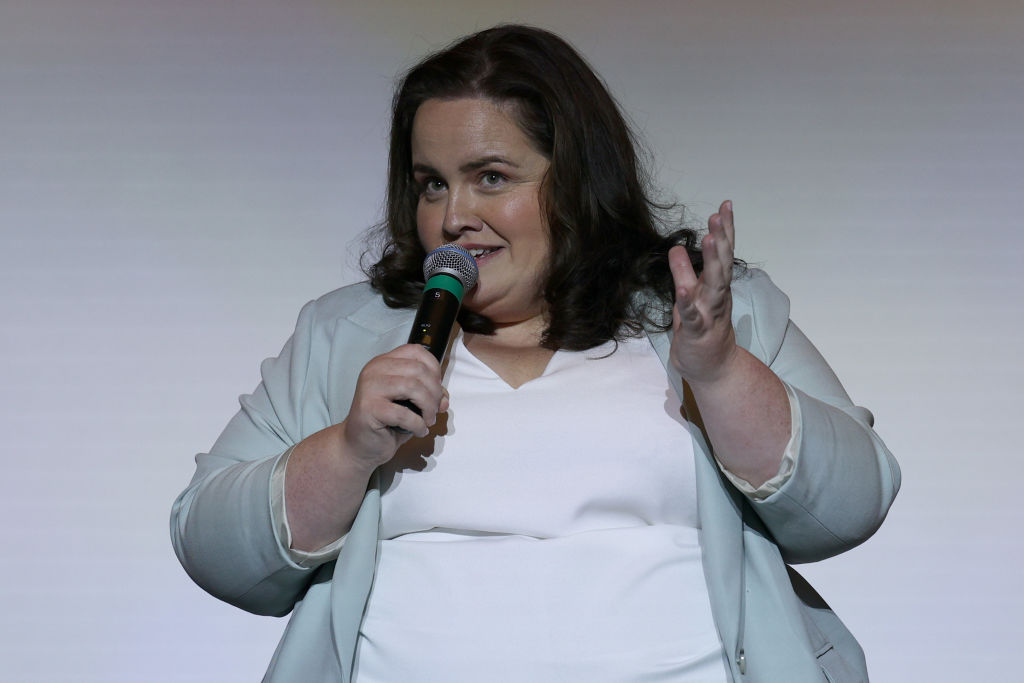
The words "a true story" became part of the legal dispute around Baby Reindeer. On September 27, 2024, a federal judge allowed Fiona Harvey's defamation and emotional-distress claims against Netflix to continue, while dismissing other parts of her case. Harvey said viewers had identified her with Martha, the character played by Jessica Gunning.
The ruling concerned whether claims could survive Netflix's challenge at that stage. It was not a trial verdict finding the company liable, or a judicial endorsement of everything either side said had happened.
Why the Label Mattered

Richard Gadd created the series from his stage work and personal experiences. In an essay published by Netflix before the show's April 2024 release, he described the difficult process of bringing those experiences to a wider audience. His account is his own explanation of the work.
Judge R. Gary Klausner examined how the television series presented itself to viewers. A claim to be a true story could encourage an audience to take scenes as factual, rather than merely one person's opinion. That made the wording relevant to Harvey's complaint about what viewers believed they had learned about her.
The Dispute Was About Particular Portrayals

Was a stalking allegation the same as showing a criminal conviction? The judge treated them as materially different. That distinction was one reason Netflix's substantial-truth argument failed at this point in the case.
Harvey alleged that the show's depictions were false and that audiences connected them to her. Netflix pointed to evidence about real incidents in defending its version. The order considered the differences between those incidents and the screen scenes. It wasn't a demand that every dramatized conversation match a recording; it addressed what specific portrayals could make viewers believe about a person.
The Parties Had Different Accounts
Harvey's allegations were allegations, not findings against Netflix. The company's arguments about her conduct were also part of the contested case. Repeating either side's claims as an established biography would erase the disagreement the court was considering.
When Harvey filed in June 2024, Netflix said it intended to defend the matter and supported Gadd's right to tell his story. That was the company's stated position, not a promise of a particular court outcome. The September order addressed the motions before the judge, including Netflix's attempt to end the claims early.
What Survived the September Order
Two claims remained after the ruling: defamation and intentional infliction of emotional distress. Negligence, gross negligence and publicity-rights claims were dismissed, along with the request for punitive damages in the complaint. Calling that a complete win for either party would leave out half the result.
The order dealt with a challenge made early in the litigation. It didn't decide liability after a trial. It did show why viewers' understanding of a true-story label could matter when a real person disputed the events they saw on screen.