ScreenGawk
Why the Vatican Responded to the 2024 Paris Olympics Opening Ceremony
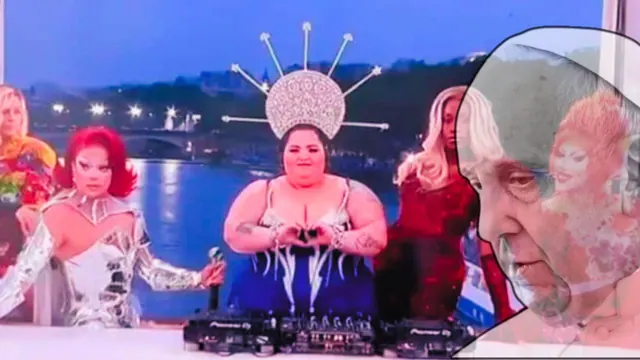
What viewers saw at the Paris opening ceremony
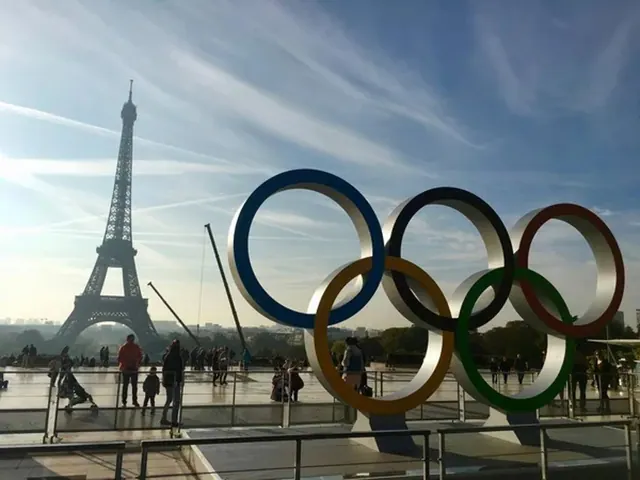
The Paris Olympics opened on July 26, 2024, with athletes traveling down the Seine on boats and performances taking place around the city. Rain fell as spectators watched from bridges, riverbanks and balconies. The ceremony ran for roughly four hours, moving between the parade and 12 artistic tableaux. For the first time at the Olympics, the opening ceremony took place outside a stadium. Boats carried the delegations toward the Eiffel Tower, and the Games were declared open at the Trocadéro. There was a lot to take in, from singers on rooftops to the Olympic cauldron rising above Paris.
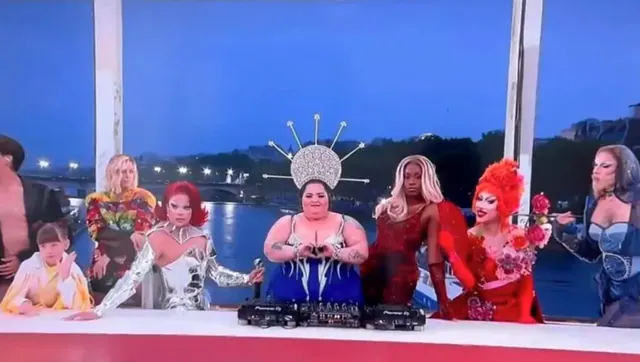
One part of that evening became the subject of a much narrower debate. During the sequence called Festivité, performers appeared behind a long table or platform. Seen on its own, that arrangement reminded some viewers of Leonardo da Vinci's The Last Supper. The comparison became central to questions about what the ceremony was showing and why.
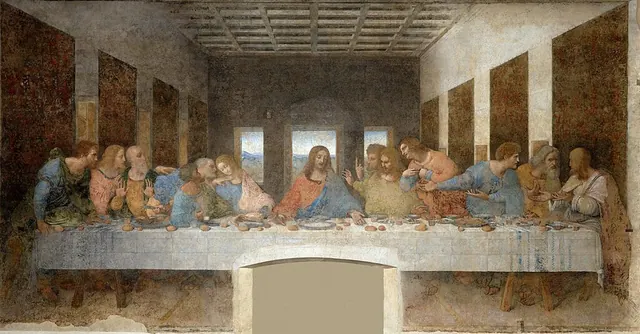
The wider sequence included a fashion show. In its account of the evening, the International Olympic Committee described a costumed banquet with a tabletop serving as a runway. Boats carrying athletes were still arriving, and the performance continued in the rain. A performer painted blue also appeared at the table. Jolly identified the figure as Dionysus.
If you've only seen a photograph of the performers lined up behind it, you haven't seen that whole sequence. A photograph can show the arrangement that prompted the comparison, but it can't show the order of the performances or everything that happened around them. Those details belong in the account too, especially when the discussion turns from what an image resembles to what its creators intended.
Thomas Jolly, the ceremony's artistic director, addressed the comparison in an interview with BFMTV. Asked about the scene that viewers had associated with The Last Supper, he said the painting hadn't been his inspiration. He pointed instead to Dionysus, describing him as the Greek god of festivity and wine, and noted that the tableau itself was called Festivité.
Jolly explained that he had envisaged a large pagan celebration connected to the gods of Olympus. He also drew a connection between Olympus and the Olympics. He put the figure’s arrival at the table in the context of that celebration.
He went on to say that he hadn't wanted to mock or demean anyone. His stated aim was a ceremony that brought people together and expressed the French Republic's values of liberty, equality and fraternity.
That's Jolly's account of his work. It doesn't tell us how every viewer experienced the performance, and recognizing a resemblance to a familiar painting doesn't establish that the painting was the director's source. Calling the sequence a reenactment of The Last Supper as a settled fact would skip over his explanation and the dispute itself.

The Holy See weighed in eight days after the ceremony, with a statement about the offense it said the performance had caused.

What the Holy See said eight days later
The first formal church response in this account came from the French bishops’ conference and Holy Games on July 27. They praised parts of the opening ceremony and deplored what they described as mockery of Christianity in other parts. They also thanked people of other faiths who had expressed solidarity.
The organizers responded at the July 28 news conference. Paris 2024 spokesperson Anne Descamps said the ceremony had aimed to celebrate tolerance and that the organizers hadn't meant to disrespect any religious group. She apologized to people who felt offended. Her remarks addressed how the ceremony had been received. Jolly's interview that weekend dealt with a different part of the dispute, the idea that led to the staging.
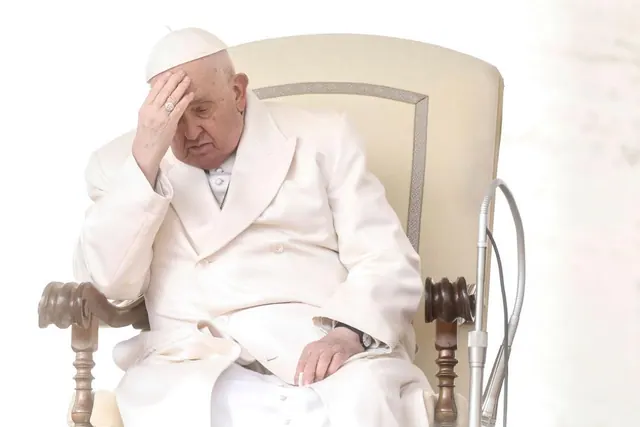
The Vatican press office posted the Holy See's statement on August 3. The statement said the Holy See was saddened by parts of the opening ceremony and joined those who had spoken out about the offense caused to many Christians and people of other religions. It described the Games as an occasion when people come together around shared values, and said that such an occasion should avoid ridiculing people's religious convictions.
The note also addressed freedom of expression. It said the Holy See wasn't questioning that freedom and argued that people should exercise it with respect for others. It referred to “certain scenes,” without naming Festivité, Leonardo's painting, Thomas Jolly or any of the performers. The Holy See issued it as a written statement.
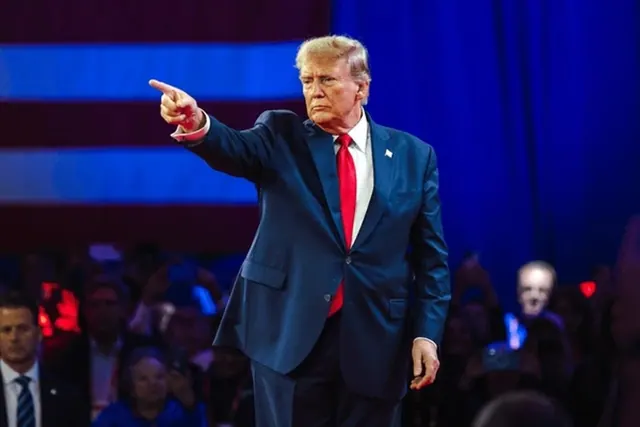
By then, the performance had already been discussed on American television. Donald Trump, a former president and presidential candidate at the time, called the ceremony a disgrace in an interview with Laura Ingraham. Fox News posted the clip on July 30, 2024, four days after the ceremony.
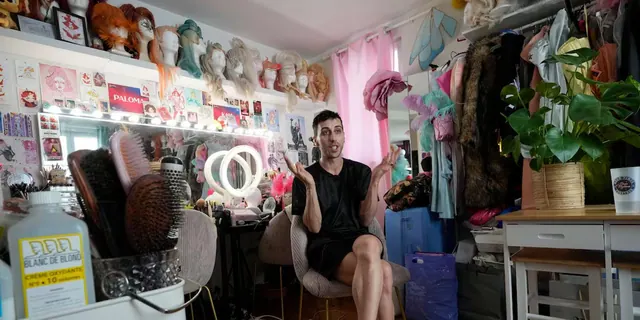
One of the performers gave a different account that same week. Hugo Bardin, who appeared as Paloma, told the Associated Press that being in the show mattered because it made room for people who hadn't always seen themselves represented. Bardin said there was no intention to parody or mock The Last Supper. When asked about regrets, Bardin said the reactions were upsetting and stood by having taken part.
A still from the broadcast and a reproduction of the painting can show where the comparison came from. The dispute went further when people began describing the scene as an intentional recreation. Jolly’s interview gives his account of the staging, and Bardin’s account gives a performer’s perspective. The Holy See addressed the offense it said the ceremony had caused. Its August 3 note did not make a finding about the source of the image or ask the organizers to take the performance down.