ScreenGawk
Kevin Hart Recalled Passing on an Early Uber Investment of Roughly $50,000–$75,000
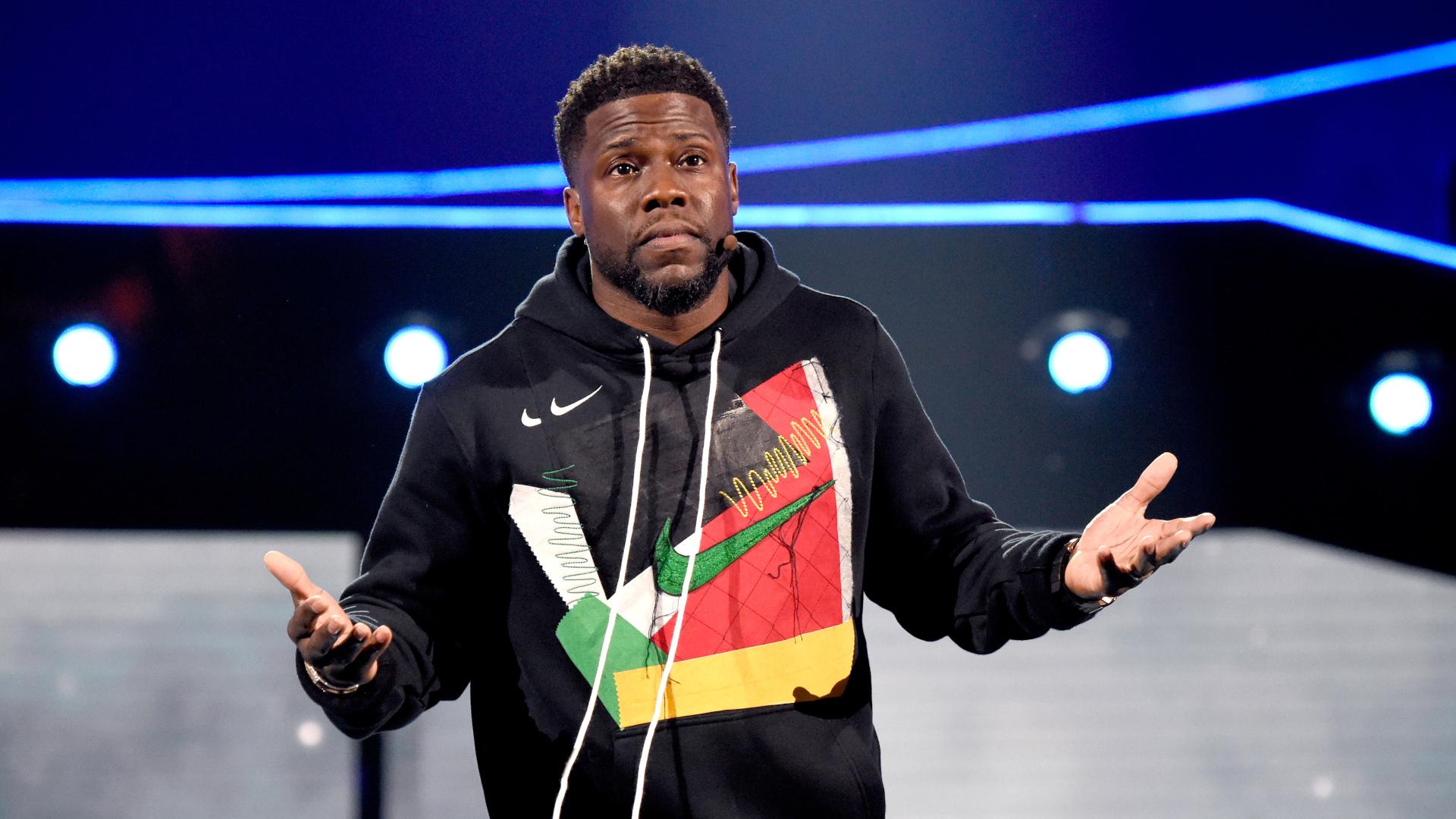
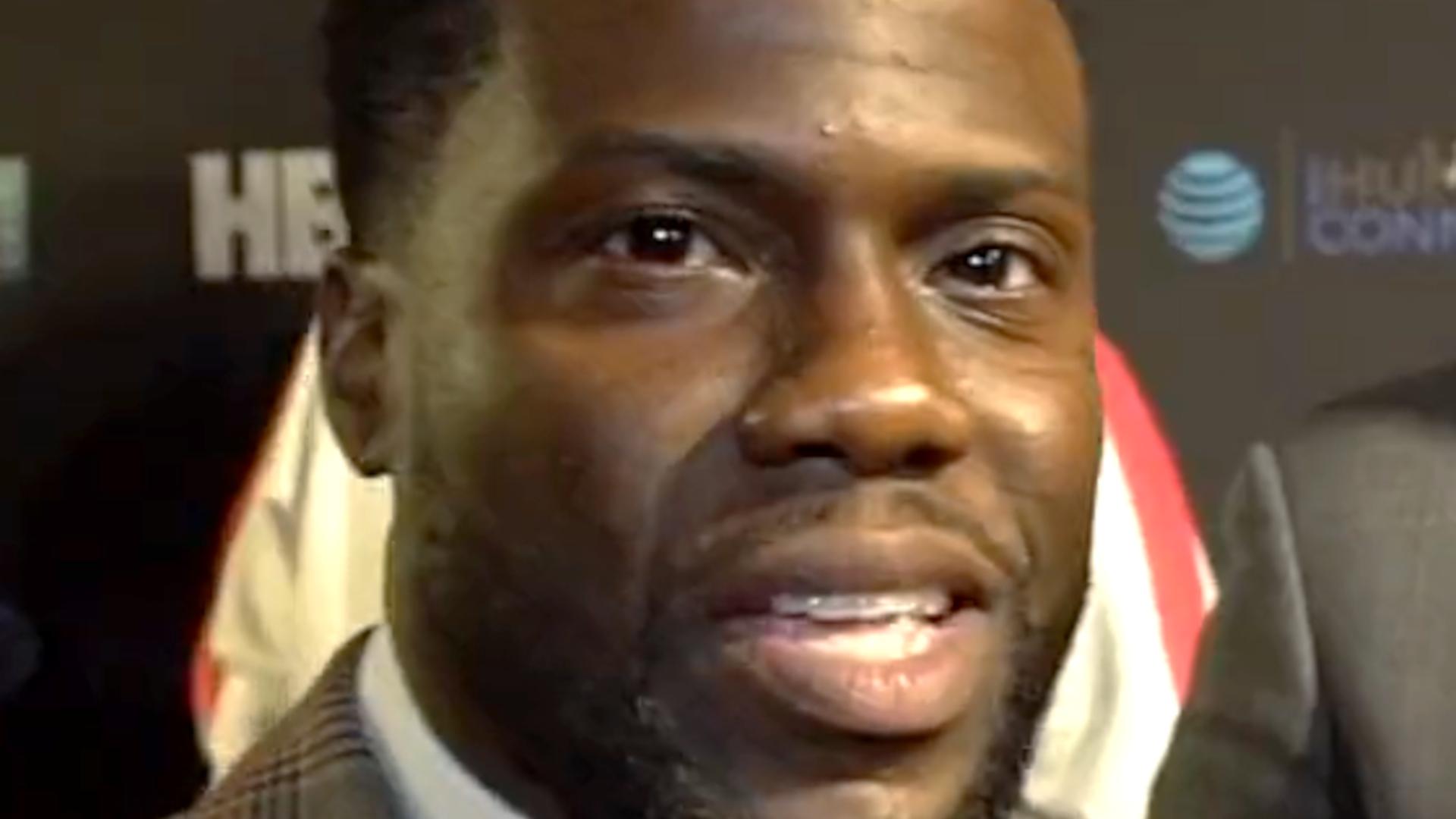
Kevin Hart has a story about an investment he didn't make. In a conversation with Mark Cuban on Hart to Heart, he recalled being offered an early opportunity to put money into Uber and deciding that the idea sounded too risky.
The recollection makes an entertaining exchange between two successful men discussing a decision with hindsight. It doesn't tell us exactly what either man's investment would have become, or which early-stage company a viewer should choose now.
A Conversation on Hart to Heart
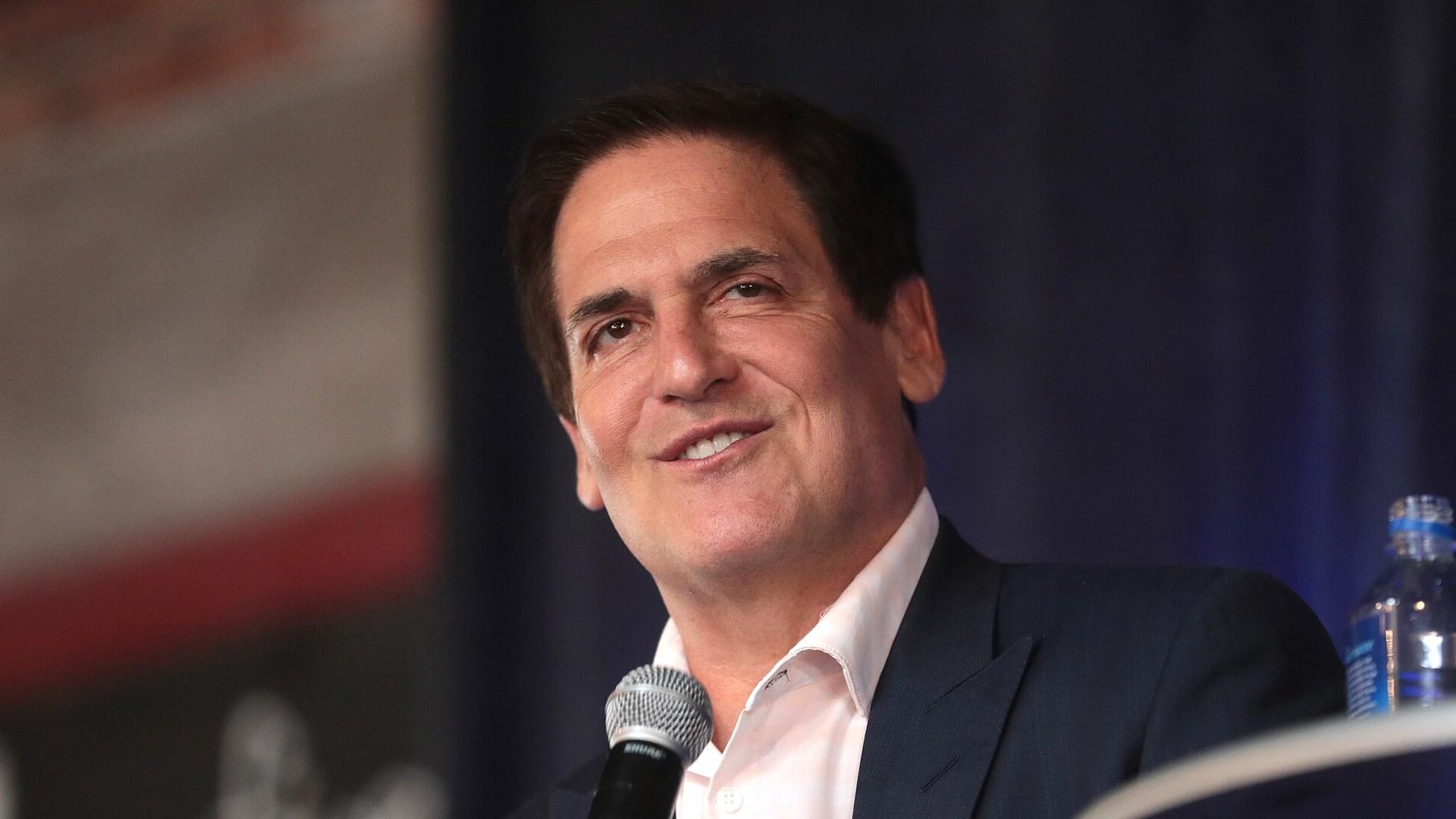
Peacock lists Cuban's appearance in the third season of Hart's interview series. The discussion moved beyond film roles into business decisions, including opportunities that didn't turn into deals. Hart's missed ride-hailing investment was one of those stories.
The Pitch Came From Troy Carter

In Hart's account, investor Troy Carter brought him the idea while the business was still unfamiliar. Carter described a service connecting people who needed a ride with drivers they didn't already know. Hart focused on the possible danger of that arrangement rather than its convenience.
The Idea Sounded Unlikely to Him
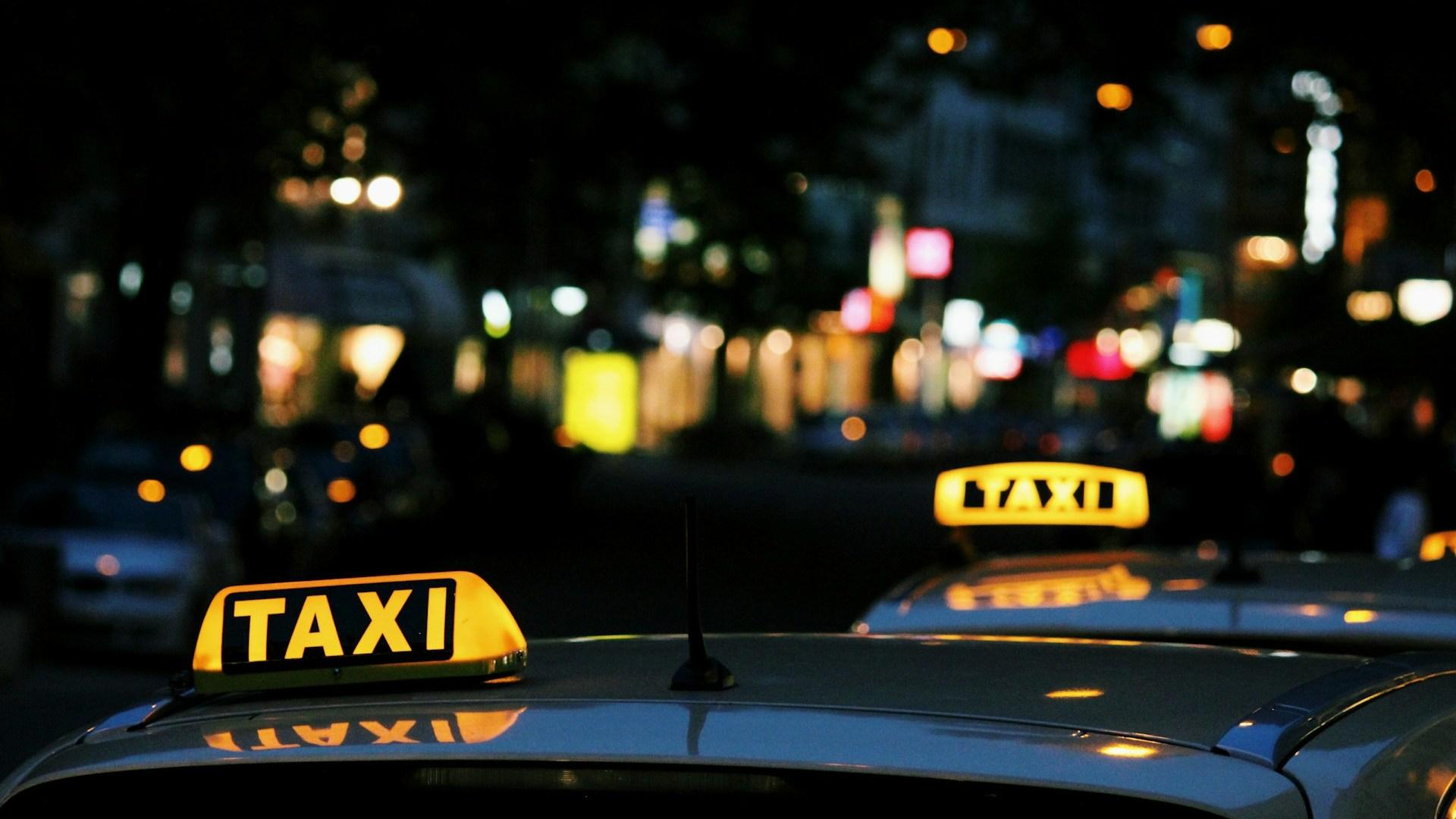
A passenger could use an app to request a ride from someone nearby. Looking back, that description sounds ordinary to people who use ride-hailing services. In Hart's telling, it didn't sound ordinary at the time. He remembered the proposal as something he could dismiss quickly.
The Amount Was an Approximation
Hart recalled an investment in the region of $50,000 to $75,000. That is his remembered range, not a surviving offer document presented with the story. It also doesn't tell us what shareholding, investor rights or later funding requirements would have accompanied a deal.
His Objection Became the Punchline
Hart described the prospect of getting into strangers' cars as sounding like “Murderville.” The remark captured his reaction to the pitch. It wasn't a factual assessment of all drivers or passengers, and the joke shouldn't be turned into a claim about the service's safety record.
Success Made the Decision Memorable
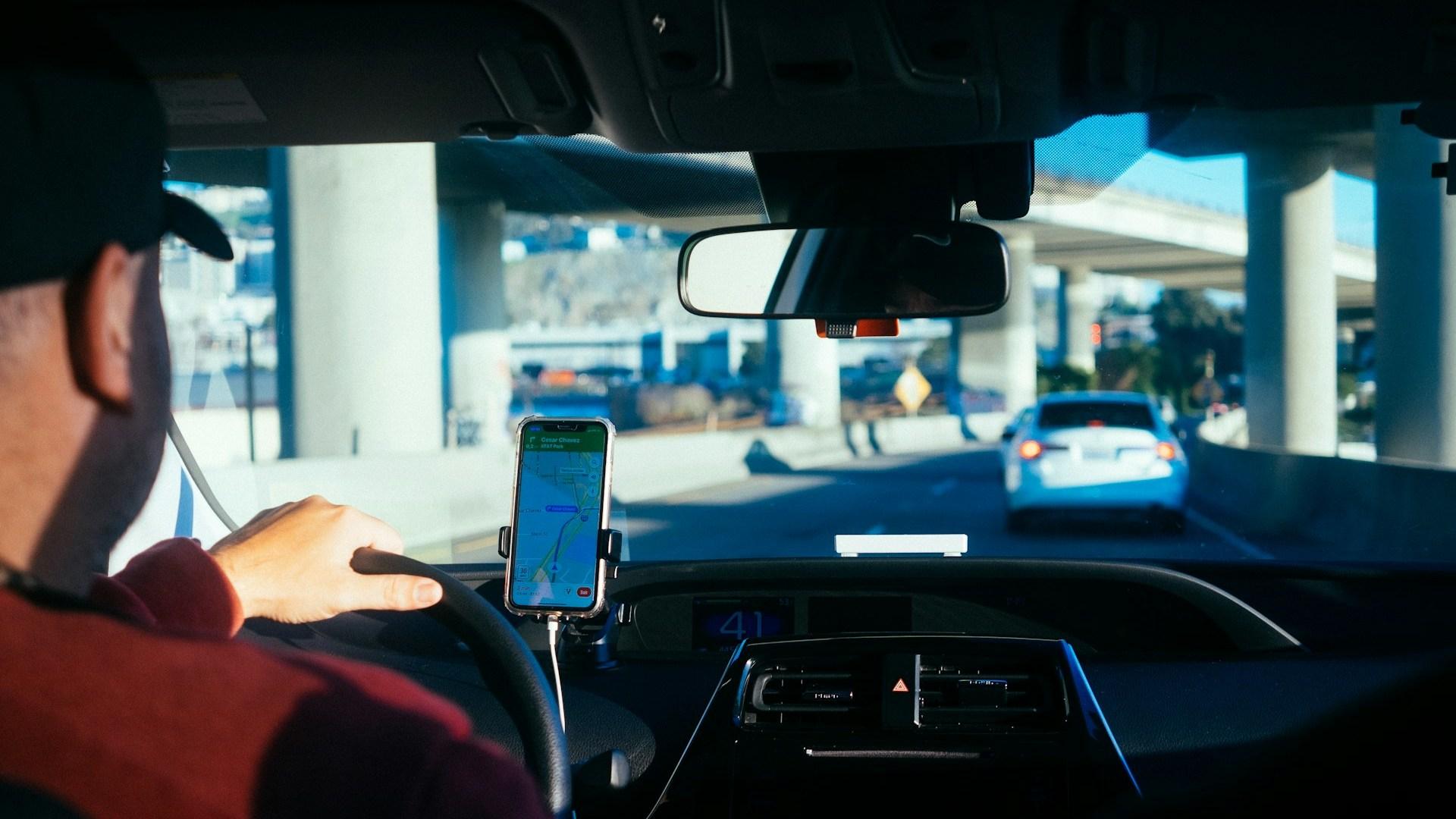
Uber subsequently became a large public company. Hart's regret depends on knowing that later history: an idea he thought unlikely became a familiar part of everyday transport. The exchange didn't establish a fixed dollar amount he had personally lost, because he had never bought the investment.
Cuban Had a Related Story
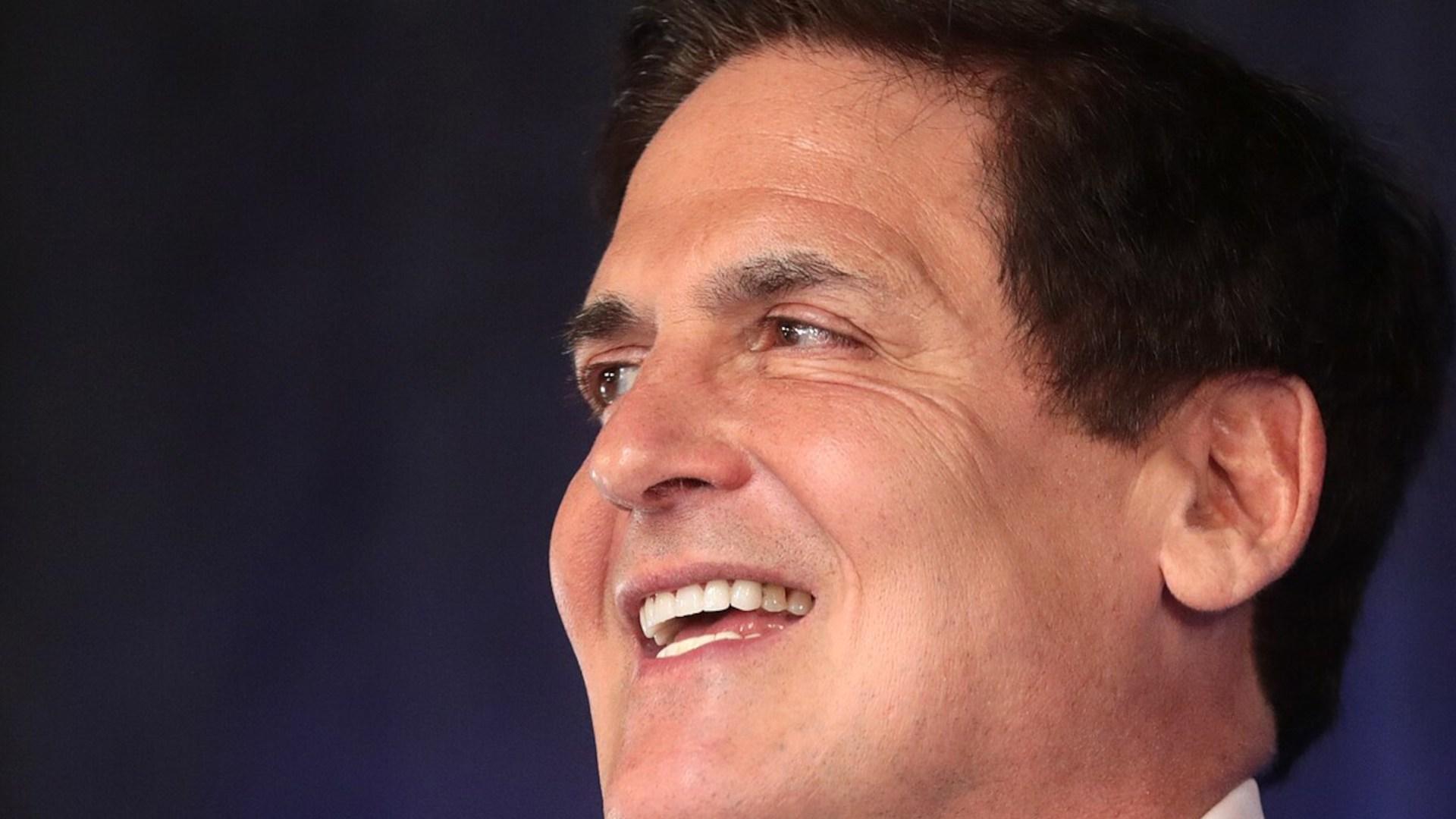
Cuban recalled his own early discussion about the business, then known as UberCab. His objection concerned its valuation rather than Hart's reaction to the idea itself. In the account, the parties didn't reach an agreement and he didn't become an investor through that offer.
A Hypothetical Stake Isn't a Bank Balance
Calculating an imagined fortune from an early percentage skips later fundraising, dilution, share sales and taxes. It also assumes an investor would have held the stake throughout. Those details weren't established in Hart's anecdote, so an exact present-day payday would be speculation.
Hindsight Is Doing Some of the Work

The appeal of the story is the contrast between the unfamiliar pitch and the company people now recognize. Hart and Cuban can laugh about the decision they made. Their recollections still describe two particular missed opportunities, rather than a reliable rule for picking the next successful startup.