ScreenGawk
Celebrity Fandom, Social Media and the Limits of the Research
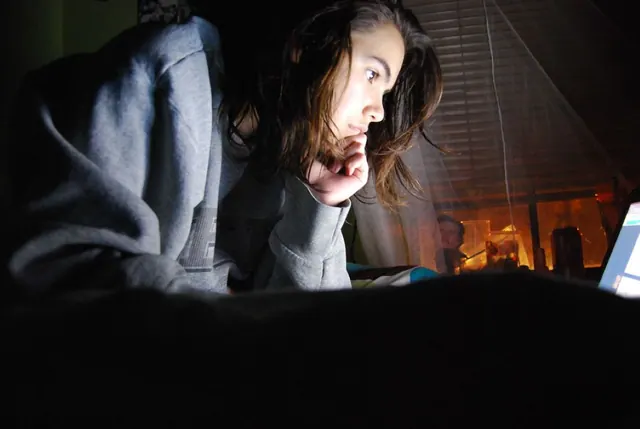
A favorite singer can fill a teenager's playlist, group chats and weekend plans. From outside the fandom, that enthusiasm can look overwhelming. But buying concert tickets or counting down to an album release doesn't, by itself, tell you whether someone has a problem. What matters is how the interest fits into the rest of their life.
Researchers have been studying celebrity admiration for decades. Their findings offer a more careful picture than the idea that social media has turned a generation of children into celebrity addicts. The studies use different measures, and evidence about adults doesn't automatically describe teenagers.
A concert-film crowd is an audience

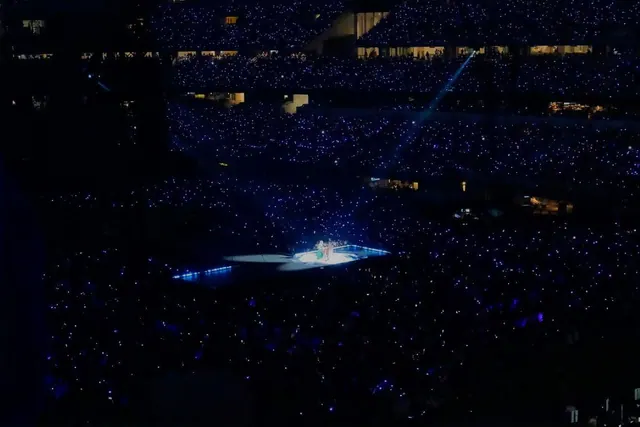
Taylor Swift's Eras Tour film made the scale of fandom visible in cinemas. In January 2024, AMC reported more than $261.6 million in worldwide box-office revenue, calling it a record for concert and documentary films. That was the film's reported total at that point, separate from the live tour's ticket sales. A successful release shows demand for an artist's work; it isn't a measure of fans' mental health.
The research predates today's feeds
In a 2002 British Journal of Psychology paper, Lynn McCutcheon, Rense Lange and James Houran examined questionnaire responses from 249 people to develop a measure of celebrity worship. Their work considered both ordinary interest and more consuming involvement. The research tradition began well before today's social-media platforms. It can't support a claim that celebrity fascination first appeared with Instagram or TikTok.
The labels describe different kinds of engagement
Later research using the Celebrity Attitude Scale distinguishes entertainment-social, intense-personal and borderline-pathological dimensions. Those are research labels, and they can sound alarming without context. The entertainment-social dimension includes enjoying a celebrity's work and sharing that interest with other people. More intense dimensions concern stronger personal preoccupation. Seeing someone sing every word at a concert doesn't let an observer assign them a score.
An association leaves questions unanswered
A 2018 study by Ágnes Zsila, McCutcheon and Zsolt Demetrovics surveyed 437 Hungarian adolescents and adults. Higher celebrity-worship scores were associated with problematic internet use and other measured characteristics. The authors emphasized that the voluntary sample wasn't representative and that the study was cross-sectional. It couldn't establish whether internet use caused intense celebrity interest, whether the relationship ran in the other direction, or whether other factors contributed.
A newer study drew a sharper distinction
A February 2026 study developed the eight-item Problematic Celebrity Fanship Scale. Its analysis focused on 755 Hungarian adults with a favorite celebrity, drawn from a larger quota sample matched to several national demographic characteristics. The researchers tried to distinguish enthusiastic involvement from engagement that interferes with daily functioning. Their sample and their proposed measure are specific; neither represents a survey of American schoolchildren.
The new scale is not a diagnosis
The 2026 authors explicitly state that their scale isn't appropriate for clinical diagnosis and that further clinical research is needed. Its suggested cutoff identifies possible risk within the research framework. That distinction matters when dramatic terms travel from a paper into headlines. A questionnaire result shouldn't become a diagnosis assigned to a child by a parent, a commenter or someone watching a fan video.
Fandom can be an activity people share

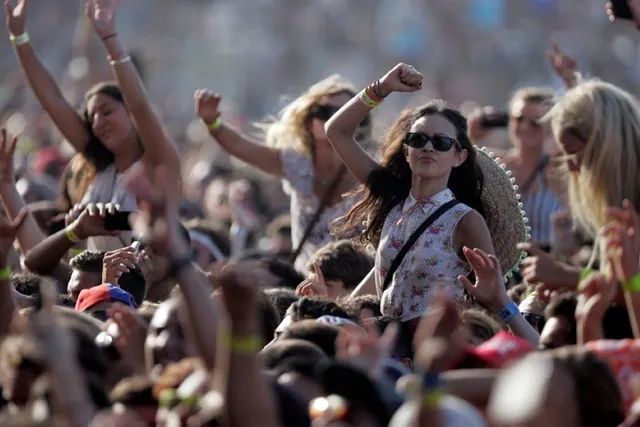
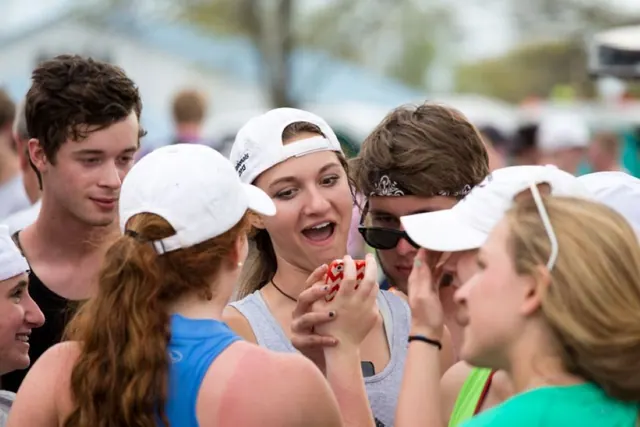
Swift's official 2023 concert-film trailer encouraged Eras attire and friendship bracelets. Those details show another side of fan culture: people making things, dressing up and taking part in a shared event. The 2018 paper's discussion of entertainment-social admiration also includes sharing enthusiasm with friends and family. Enjoyment and social participation deserve attention alongside research into harmful patterns; a large crowd doesn't make those experiences identical.
Social media does not affect every teen the same way
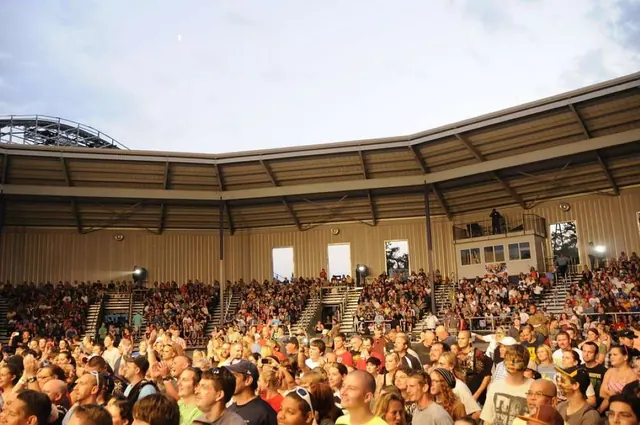
The American Psychological Association's 2023 advisory says social-media use isn't inherently beneficial or harmful to young people. Outcomes depend partly on the individual, their circumstances and the content and platform features they encounter. That's a much narrower claim than saying an algorithm inevitably turns admiration into obsession. Following an entertainer is one part of an online experience, not a complete account of it.
Look at what is being crowded out
The APA recommends limiting social-media use so it doesn't interfere with sleep or physical activity, and protecting opportunities for in-person interaction. Those are concrete areas families can discuss. A late album launch might be a special occasion; regularly losing sleep or missing responsibilities calls for a different conversation. The useful question is what keeps happening around the activity, rather than how embarrassing adults find the celebrity.
Familiarity does not create a mutual relationship
Fans may know a performer's roles, lyrics or public routines in remarkable detail. Researchers use the term parasocial relationship for a one-sided sense of connection to a media figure. Familiarity with someone's public work doesn't mean they know the fan personally. Keeping that distinction clear leaves room to appreciate the performance without treating access to private information or personal attention as something a fan is owed.
A conversation can stay specific
For a parent, a better starting point is the actual routine: what the teenager enjoys, who they share it with and whether it is disrupting other activities. Talk about privacy and respectful behavior as well as time online. If there are persistent concerns about wellbeing or functioning, seek qualified support. A favorite celebrity can remain part of the discussion without becoming an explanation for everything that is going wrong.