ScreenGawk
Pretty Privilege: What the Research Says About First Impressions
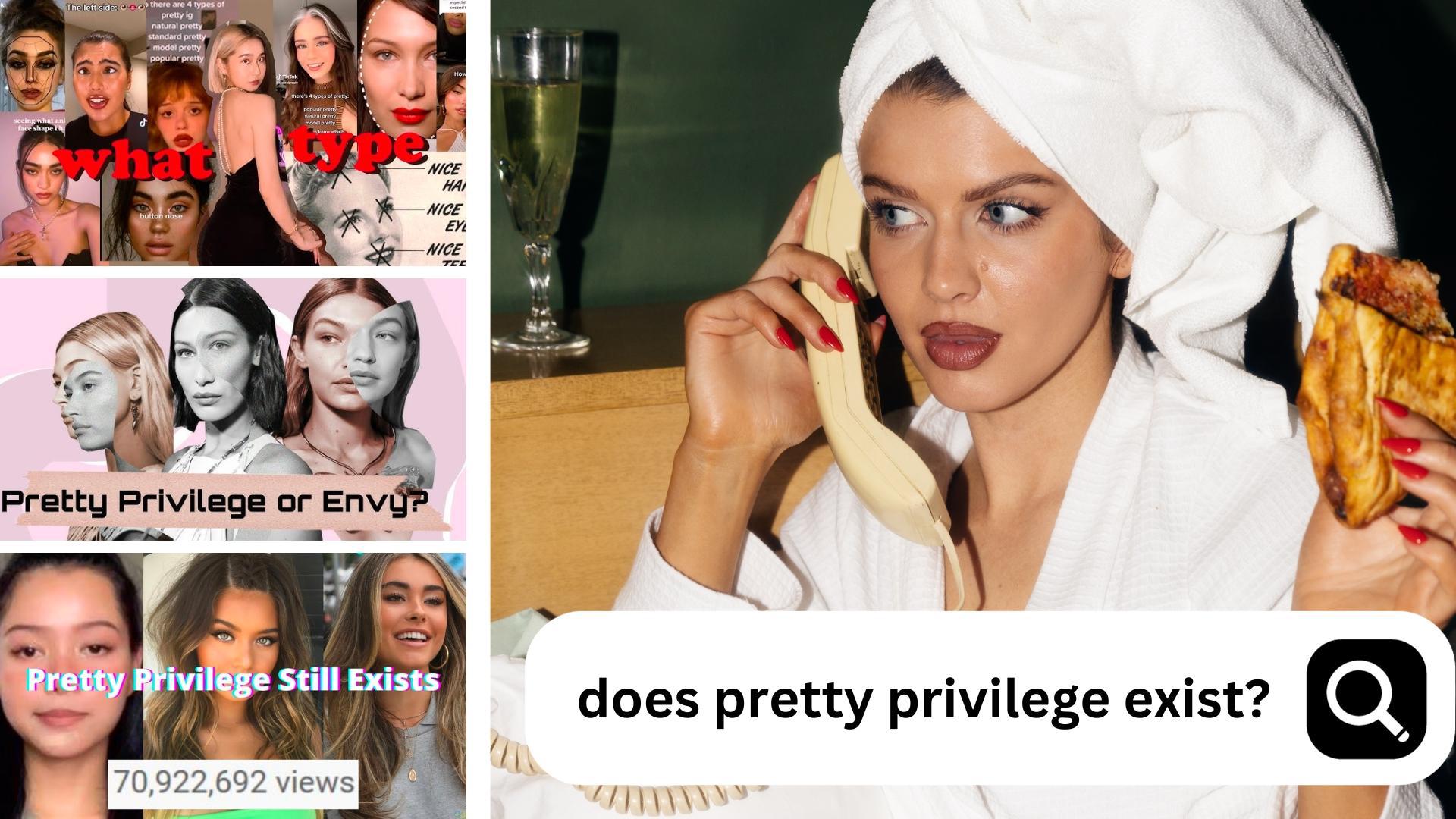
The phrase pretty privilege gets used to explain everything from a warm welcome to an unfair advantage. The common thread is appearance: someone is perceived as attractive, and other favorable judgments follow.
There is published research behind that discussion. There are also limits to what the research can tell you about one person's job offer, relationship or experience of being ignored. A useful account has room for both. It can recognize appearance bias without pretending that looks explain every difference in how people are treated.
There Is Research Behind the Discussion
A stranger's face doesn't tell you if they're trustworthy. Yet judgments about appearance can spill into judgments about the person. That stereotype was the subject of Karen Dion, Ellen Berscheid and Elaine Walster's 1972 paper, What Is Beautiful Is Good.
A later review broadened the evidence. Judith Langlois and colleagues reported 11 meta-analyses in 2000, finding that people rated attractive were judged and treated more positively on average. The pattern gives the discussion substance without turning appearance into a dependable guide to personality.
A Pattern Doesn't Explain Every Experience
An account of being treated differently is evidence of someone's experience. Establishing why it happened takes more work. Appearance might be part of the explanation, alongside changes in circumstances or the people involved.
That is also why a study's average can't be applied automatically to a hiring decision. It doesn't tell you what a particular interviewer considered. The research can reveal a pattern worth examining; the individual decision still needs its own evidence. Otherwise, a discussion about assumptions simply starts making a different set of them.
Don't Turn the Label Into a Diagnosis
A face isn't a personality assessment. Someone considered attractive may be happy or unhappy, confident or uncertain. Appearance doesn't establish any of those things, and it can't diagnose narcissism.
Remember that when listening to a claim of bias too. Disagreeing with the explanation doesn't give you evidence that the speaker is insecure. What happened, what they think caused it and what supports that explanation can be considered separately. There's no need to attach a character judgment to either the person receiving favorable treatment or the person describing an unfair experience.
Make the Standard Visible
One practical response is to ask what a judgment is actually based on. If the question is someone's work, look at the work. If it is whether an argument is useful, examine the argument and its evidence.
That doesn't require pretending appearance never affects anyone. It means checking whether a favorable first impression has supplied qualities that haven't been demonstrated. The same check works when the first impression is unfavorable. People deserve an opportunity to be assessed on what the situation calls for, with clear reasons that don't quietly reduce their value to the way they look.