ScreenGawk
What the 2024 Red Rocks UFO Report Actually Says

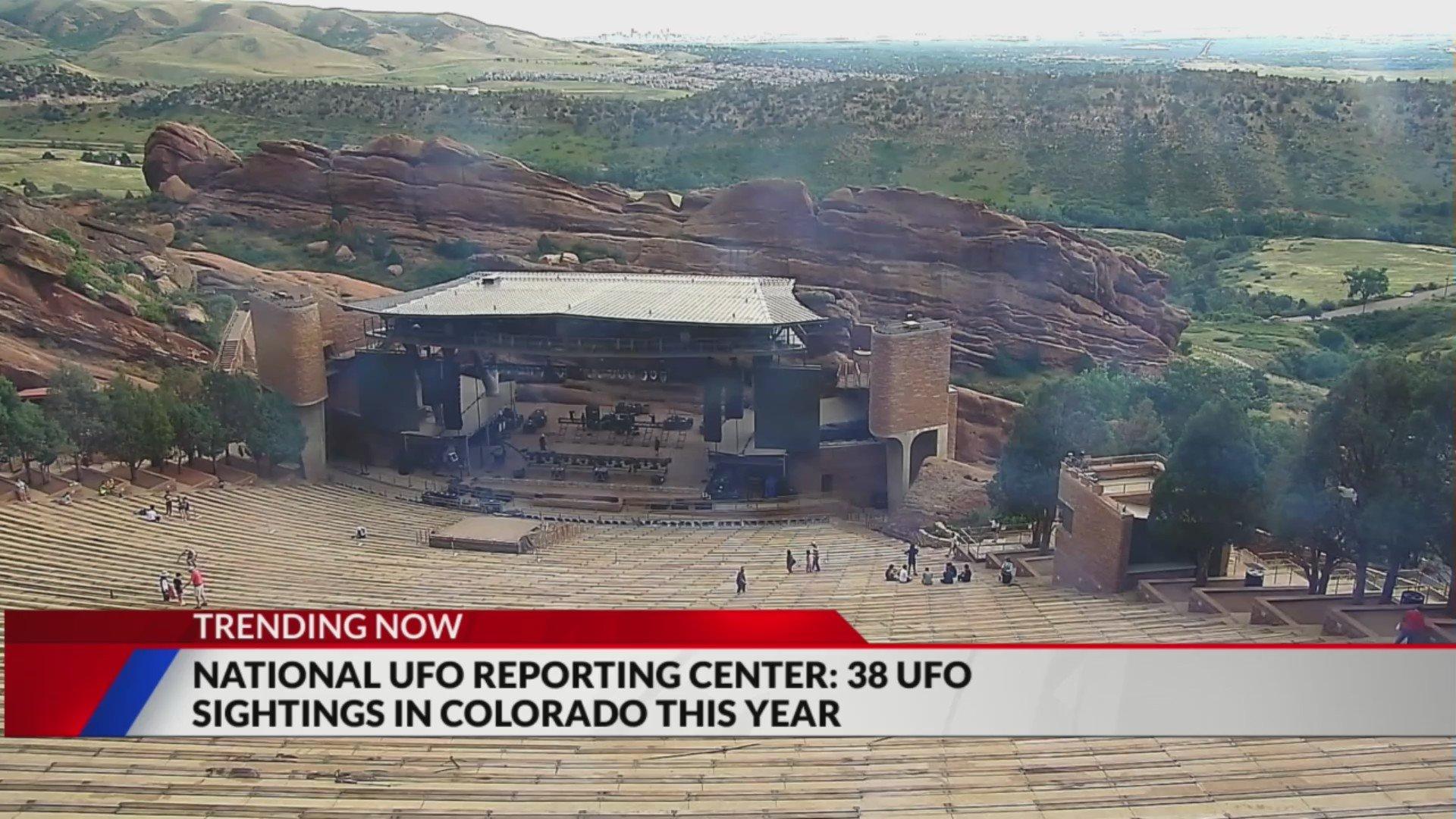
An overnight worker at Red Rocks reported seeing a silent, disc-like object north of the Colorado amphitheatre on June 5, 2024. The person said coworkers saw it too, before it faded from view.
It's a striking account. It isn't a verified identification of a spacecraft, and that distinction matters when reading what follows.
The Details Came From One Submission

The NUFORC record gives the time as about 1 a.m. and the duration as roughly 30 seconds. Its author described rows of windows and an object that tilted before becoming invisible.
Those are the witness's descriptions. They don't establish measured dimensions, a propulsion system or how an object could disappear.
Twelve Observers Isn't Twelve Reports
The database entry lists 12 observers. The narrative says coworkers noticed the object and compared what they were seeing.
That is different from having a dozen separately collected, independently checked statements. The public entry presents one person's account of a group experience. It shouldn't be described as twelve independent confirmations of every detail.
The Location Needs Care

NUFORC lists Golden, Colorado, and describes a position north of Red Rocks near a ridge. The narrator said they had been working at the amphitheatre.
That doesn't place a craft directly over a concert audience. The venue is the recognizable landmark in the account, but the reported direction and viewing position still matter.
What the Archive Does

NUFORC collects civilian sighting reports. A database entry preserves what someone submitted; appearing there doesn't turn a claim into a government finding.
The record is useful because readers can examine the original wording. Details such as distance and size remain estimates made by its author, rather than measurements established by instruments.
Unidentified Leaves a Question Open

UFO is a label for something not identified, not a finding about where it came from. Calling a report unidentified doesn't establish aliens, but it doesn't establish a particular ordinary explanation either.
This entry alone doesn't supply enough evidence to settle the object's identity. A confident answer in either direction would need more support.
The Pentagon Review Was a Different Record

AARO's March 2024 historical report said it found no evidence that the investigations it reviewed had confirmed extraterrestrial technology. That was a broader review of earlier government involvement with such reports.
It predates this June account. It cannot reasonably be presented as an investigation that identified or disproved this specific Red Rocks sighting.
Older Unexplained Reports Aren't a Verdict

The National Archives records 12,618 sightings in the Air Force's historical UFO investigation record, with 701 remaining unexplained. An unexplained category tells us the investigation didn't establish an identification.
Those older totals don't calculate the probability that a new story describes an alien craft. They concern a different collection of reports from another period.
Better Data Would Help

NASA's study pointed to a practical problem: a person can give a compelling account without supplying the data needed to explain it. Measurements need time, direction, sensor calibration and other context.
That doesn't accuse the Red Rocks witness of lying. It asks what could turn an observation into something an investigator can check, especially when distance and scale are uncertain.
A Report Worth Reading Literally
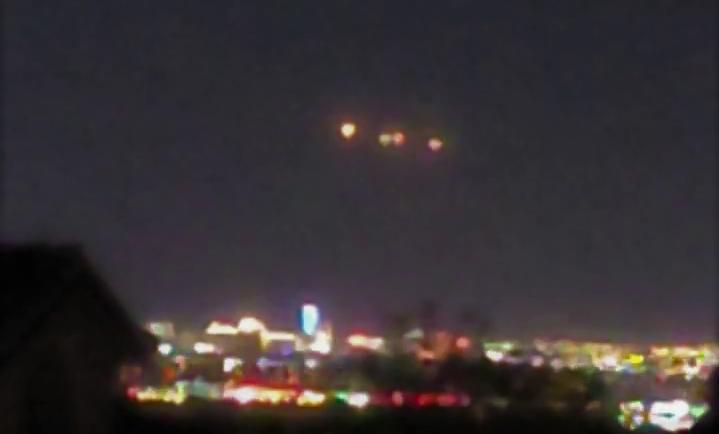
The entry describes a brief, unusual experience. It doesn't establish why the object appeared or vanished, and it doesn't prove Red Rocks is a UFO hotspot.
The witness reported something they couldn't identify. This record leaves its identity open.