ScreenGawk
Why News Agencies Withdrew Kate's 2024 Mother's Day Photo
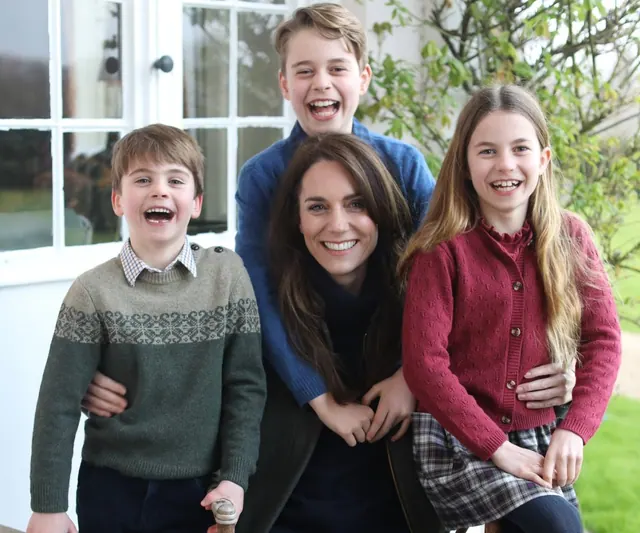
A family portrait became a news story of its own in March 2024. Kensington Palace released a photograph of Catherine, Princess of Wales, with her three children for Mother's Day in Britain. Within hours, major picture agencies had withdrawn it.
The episode raised a fair question about how official images are checked. It also attracted speculation that went well beyond what a photograph could establish.
The background was already public
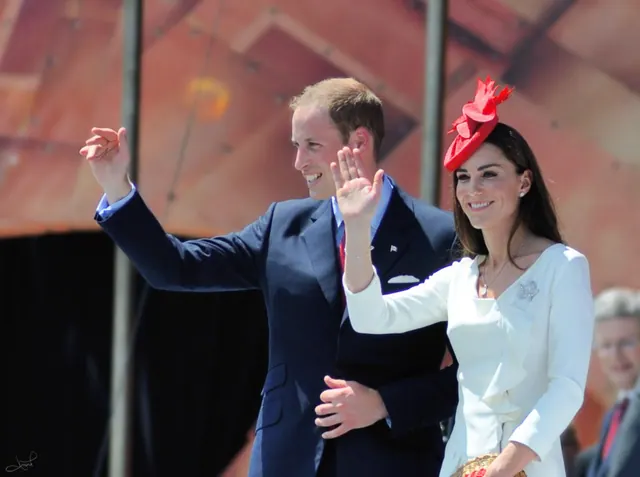
Kensington Palace's January 17, 2024 statement had announced planned abdominal surgery and an extended break from public duties. It also asked for privacy around Catherine's medical information. That was the background to the photograph's release. The absence of more detail wasn't evidence for the theories circulating online.
The portrait released on March 10
The Mother's Day image showed Catherine seated with George, Charlotte and Louis. William was credited as the photographer. This was an official family handout, rather than an image independently made by a news photographer. Keeping that distinction visible helps readers understand who supplied a picture and what a publisher has verified.
Why the agencies withdrew it

AP's account of its decision identified an inconsistency where Charlotte's hand met her sweater sleeve. After reviewing the image, AP and other agencies removed it from distribution. AP sent clients a photo-kill notice: an instruction to stop using the supplied file. It wasn't a finding about Catherine's health.
Editing and the newsroom standard

AP explained that limited cropping, toning and color adjustments can be acceptable for accurate reproduction. Changes that substantially alter the scene aren't. Those distinctions matter because editing covers many different actions. Adjusting a photograph's brightness and changing what it depicts raise different questions for an editor deciding whether to publish it.
An apology the following day
On March 11, Catherine acknowledged experimenting with photo editing and apologized for the confusion. Her explanation addressed the released image. It didn't provide a complete account of every alteration or an untouched file for comparison. ABC News reported that the palace wouldn't reissue the original, unedited photograph.
What the image expert actually said
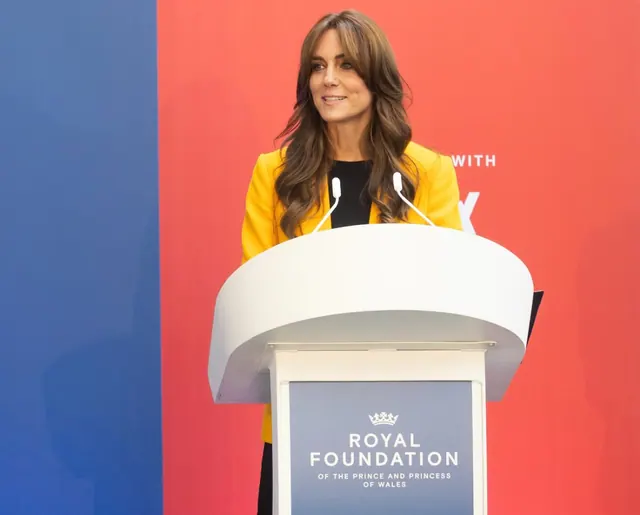
In his analysis for ABC News, Berkeley professor Hany Farid suggested relatively minor manipulation. Possible explanations included a poor retouch or combining successive photographs, which can leave awkward joins when people move. These were possible explanations for visible defects, rather than a reconstruction of the editing process confirmed by the palace.
The AI claim went further
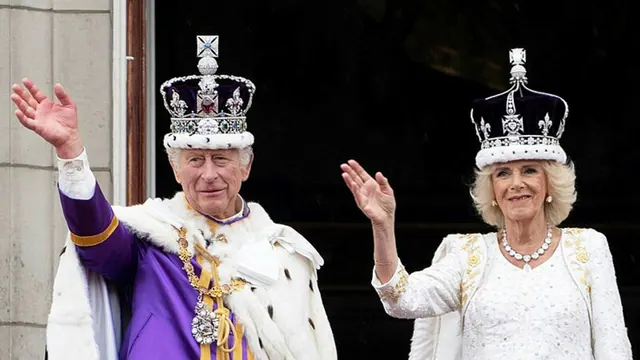
Farid said there was no evidence the image was entirely AI-generated. That qualification shouldn't disappear when the story is retold. A visible editing problem doesn't identify the software used, establish who made each change or prove that the whole scene was fabricated. A narrower, supported finding is still worth reporting.
What this says about trust
The practical problem for an official press team is easy to see: a family snapshot supplied for news coverage also has to withstand newsroom scrutiny. Once it has been withdrawn, an apology alone can't give editors the missing original. That's a publication problem with a specific file, not a measure of the public's feelings about every royal.
A correction has a limited meaning

Withdrawing a photograph corrects a publisher's decision to distribute it. It doesn't validate every rumor attached to the image. Readers can reasonably ask what was changed and why. They still need evidence before turning an unanswered question into an allegation about a person or a family.
The images need their own context

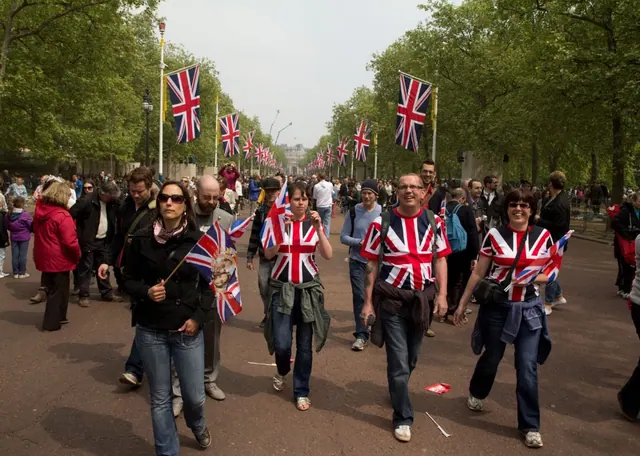
This archive includes the altered Mother's Day portrait, other royal photographs and illustrative stock pictures. They're labeled separately. An unrelated image of someone at a computer doesn't show the palace's editing process, and a photograph of royal supporters doesn't establish what those people thought about this particular controversy.
Keeping the episode in its time
These events and statements belong to January and March 2024. They shouldn't be presented as a fresh disappearance, a current medical update or proof that the monarchy's reputation was permanently damaged. The documented story is enough: an official portrait was withdrawn, Catherine apologized, and the available explanation left editors without an unedited replacement.