ScreenGawk
George, Charlotte and Louis: What Those Billion-Pound Estimates Mean
What the billion-pound estimates actually measured
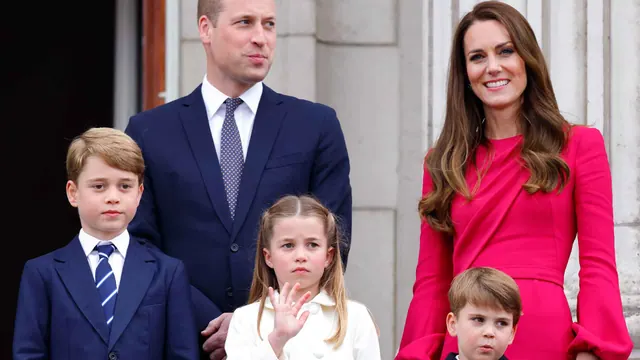
The large figures attached to Prince George, Princess Charlotte and Prince Louis don't tell you how much money they have. The older article mixed estimates of spending influenced by the children with claims about assets they might inherit.
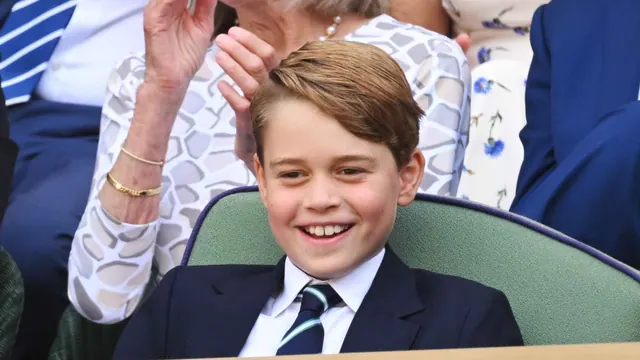
For George and Charlotte, there's a published calculation you can examine. In a September 2017 release, Brand Finance revisited its 2015 estimates of their annual contribution to the UK economy: £76 million for George and £101 million for Charlotte. Those were estimates of economic activity associated with them, rather than payments to either child.

The firm then projected those contributions indefinitely and discounted them to a value at the time of the calculation. That produced £2.4 billion for George and £3.2 billion for Charlotte. It assumed their positive effect would continue. These historical forecasts aren't a current inventory of their property, investments or savings, and they don't establish that Charlotte personally owns more than her brother.
It helps to look at the two figures that went into each headline number: an estimate for one year and a calculation that puts future years into today’s money. The first number was already an estimate. The second depended on that effect continuing far into the future. If the annual effect were smaller or lasted for fewer years, the headline figure would be smaller too. That’s a different kind of evidence from a bank balance on a particular date.

Louis was born on April 23, 2018, after that release. The older article also assigned him a multimillion-dollar figure, but it didn't establish a personal balance sheet. A forecast of shopping around a royal birth and a child's own wealth answer different questions. You can't use one as evidence of the other, or assume all three children's figures were calculated on the same basis.

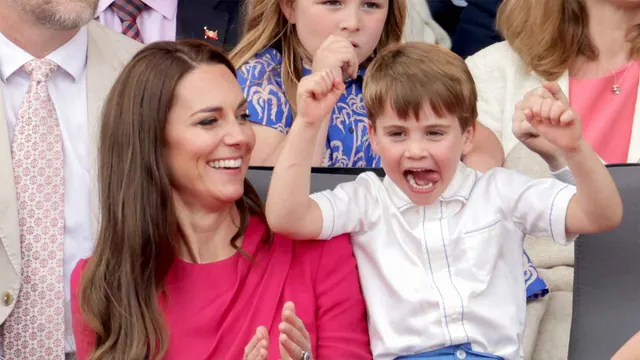
Brand Finance's separate November 2017 monarchy report helps explain the shopping side. It estimated £200 million a year from informal royal endorsements across British producers, down from about £325 million in 2015. The category included the attention brought to clothing worn by Catherine and the children. It wasn't a total divided among the three siblings, and extra sales for a business aren't earnings for the person photographed wearing its clothes.

Tourism appeared separately in that report's calculation of the monarchy's contribution. Its scope covered the institution, rather than identifying spending caused by each child. That doesn't support assigning every royal visitor's spending to George, Charlotte or Louis.
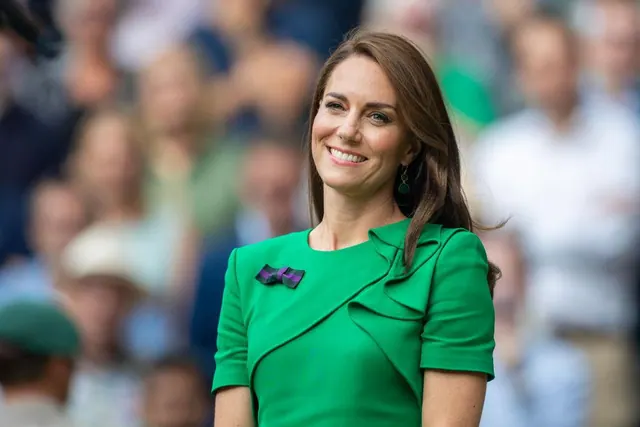
Charlotte's higher estimate also doesn't prove a general rule about girls generating more spending than boys. It reflects the forecast made about these particular children. Nor does a photograph establish that a child chose a brand or intended to promote it.
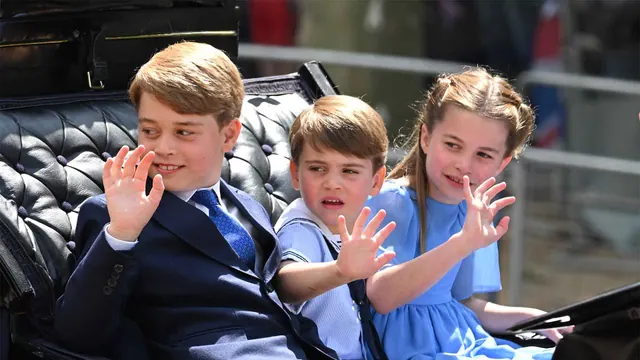
Catherine's fashion influence featured in the report, but any expectation that Charlotte would follow the same path remained a prediction. The figures need their dates, assumptions and economic context attached whenever they're repeated.
What the inheritance rules actually say

George, Charlotte and Louis occupy different places in the succession, but those places aren't a list of their possessions. The Royal Household currently lists William first in line to the throne, followed by George, Charlotte and Louis. George's position explains why the Duchy of Cornwall appears in stories about his financial future.
You can see the difference between succession and the duchy in the order of the younger two children. Charlotte remains ahead of Louis under the 2013 Succession to the Crown Act, which removed male preference for people born after October 28, 2011. The Duchy of Cornwall has its own rule for who becomes duke. Reading the succession list alone doesn’t tell you how the estate works or give you a figure for anybody’s income.
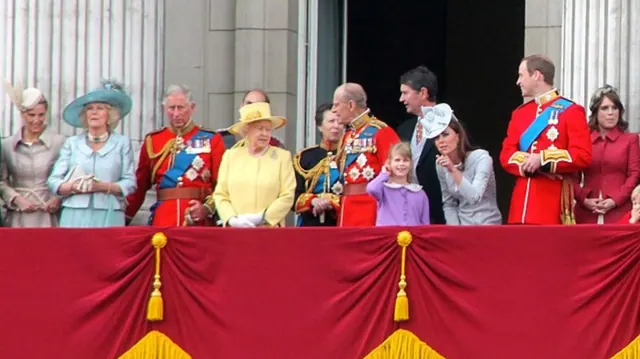
William became Duke of Cornwall when Charles III became King in 2022. The Duchy's own explanation says its 1337 charter assigns the title to the Sovereign's eldest surviving son who is also heir to the throne. Under those rules, George would become Duke when William becomes King. He doesn't hold that position now.
The financial arrangement also needs more explanation than saying George will inherit a large estate. The Duke receives the income generated by its assets. He isn't entitled to keep the proceeds or profit from selling the capital assets, and the Duchy says capital gains must be reinvested. Its capital is protected for future generations. That makes the estate's value different from a sum the Duke could withdraw and spend.
The estate’s latest published numbers give you a sense of what actually gets reported. For the year ending March 31, 2026, the Duchy reported a £21.6 million distributable surplus. Its announcement also described a separate investment plan for the next decade. The surplus is a figure for one year under William. There’s no way to turn it into a forecast of what George might receive, because the estate’s income and costs can change before he ever takes on the role.
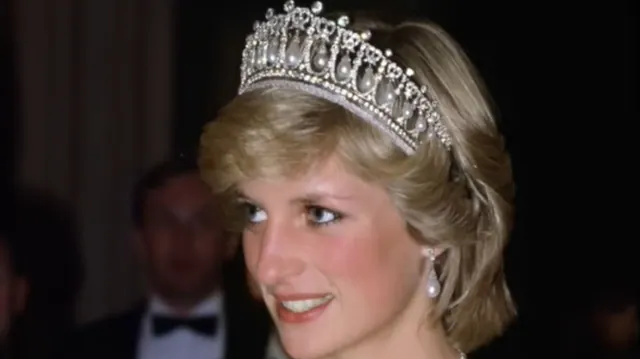
For Charlotte, the Spencer Tiara claim has a more basic problem: the published ownership history doesn't establish the promised inheritance. Sotheby's catalogue for its tiara exhibition identifies it as a Spencer family possession. Diana's father, the eighth Earl Spencer, inherited it in the 1970s, and his daughters wore it at their weddings. Diana wore it when she married Charles in 1981.
That connection to her grandmother doesn't establish that Charlotte will receive it. Wearing a family jewel, owning it and being named as its future recipient are separate things. The catalogue doesn't announce an inheritance for Charlotte.
The archive photograph of Diana shows her wearing the Lover's Knot Tiara, a different piece from the Spencer Tiara. Garrard's history describes the Lover's Knot as a jewel Elizabeth II inherited and later lent to Diana. The photograph shouldn't be read as evidence of who will inherit the Spencer jewel.
Princess Royal is another title that can't simply be counted among Charlotte's future possessions. Anne holds it now; the Royal Household records that Elizabeth II gave it to her in June 1987. That record doesn't announce a future grant to Charlotte. The sources behind these inheritance stories establish particular rules and ownership histories, without supplying a complete account of what any of the three children privately owns or may eventually receive.