ScreenGawk
When Ban This Book Faced a Real School-Library Removal in Florida
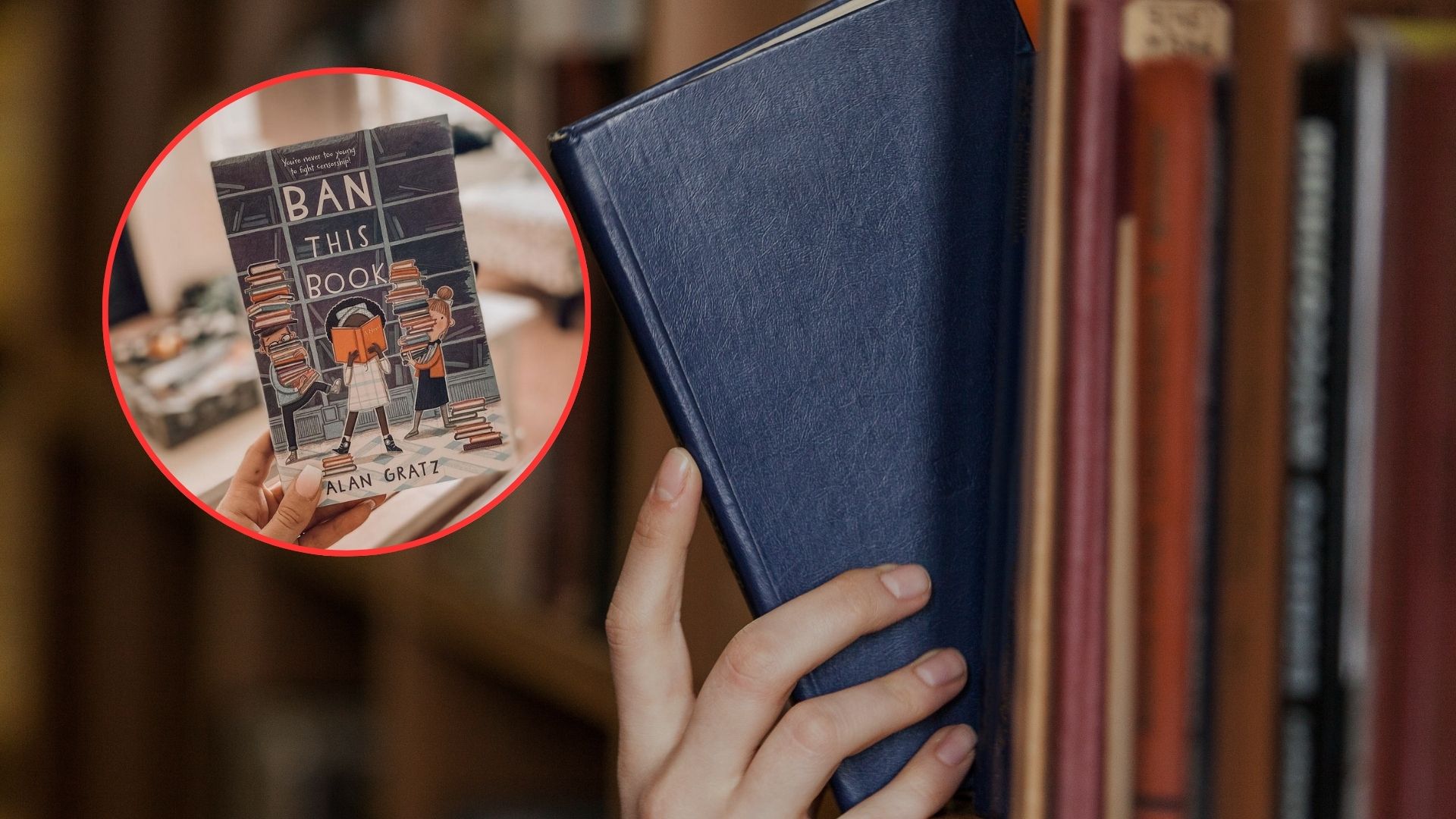
A novel about a child challenging book removals became the subject of a real removal dispute. In May 2024, Florida's Indian River County school board voted to remove Alan Gratz's Ban This Book from school libraries.
The decision overruled a review committee's recommendation to retain it, according to a subsequent letter from the National Coalition Against Censorship.
The Story Begins With a Missing Book

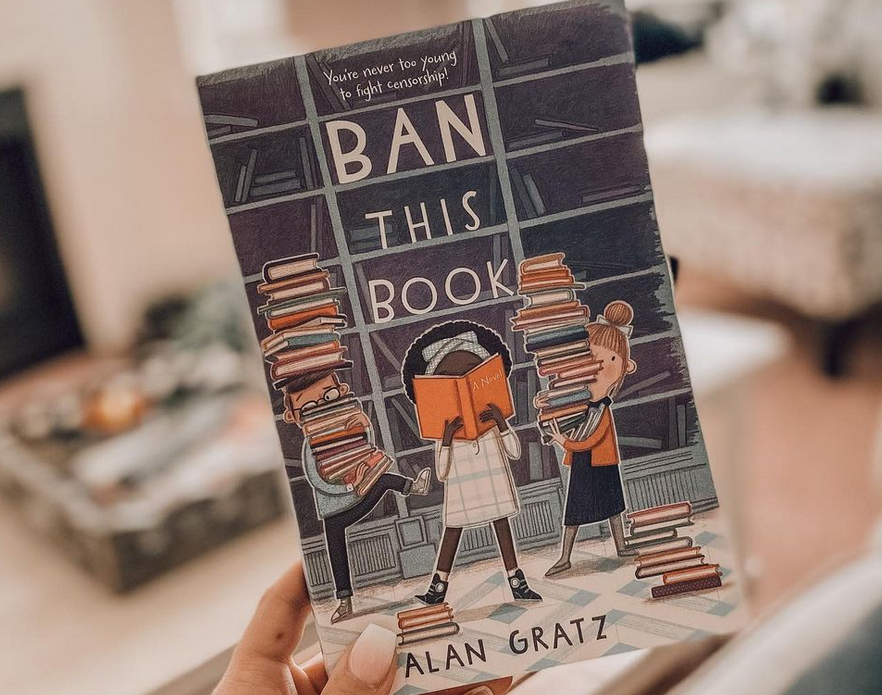
Gratz's novel follows Amy Anne, a fourth grader whose favorite book disappears from her school library after an objection. The publisher describes a shy child who decides to push back.
Her story concerns access to books and the question of who gets to make reading choices for other people. It is fiction, rather than an account of the later Florida dispute.
A Library Inside a Locker

Amy Anne responds by creating a secret library in her locker. The publisher's synopsis also describes the children inventing objections to other books to expose how far the removal process could go.
That plot supplies the irony in the real dispute. A book showing children how to question restrictions was itself removed through a school district's review process.
The Novel Predated the Decision
Macmillan lists the book's publication date as August 29, 2017 and its intended age range as eight to twelve. The Indian River County vote came years later.
Those dates prevent a misleading reading of the title. Gratz did not write a novel about that particular 2024 board decision. The later dispute placed an existing story into a new controversy.
A Committee Recommended Keeping It

NCAC's July 19, 2024 letter said the district review committee had voted 6-2 to retain the book. The recommendation preceded a final board decision.
In this case, they pointed in opposite directions. The committee's review did not end the challenge, and its recommendation did not bind the board's subsequent vote.
The Board Chose Removal

According to the same letter, the school board voted 3-2 on May 20 to remove the book permanently from school libraries. NCAC asked the board to return it.
This district decision did not mean the novel was prohibited throughout Florida or that possession of a personal copy was illegal.
The Motion Objected to Its Message
NCAC reproduced a motion objecting to the novel's suitability for elementary schools and its portrayal of resistance to school-board authority. It also referred to other books mentioned within the story.
The dispute therefore involved the way the novel presented dissent, alongside objections about age appropriateness. Those were the objections, rather than an impartial assessment.
An Advocacy Group Raised a Rights Concern

NCAC argued that removing a book because officials disliked its ideas could raise First Amendment concerns. That was the organization's position in a letter urging reversal.
The letter is evidence of an objection to the board's action, rather than a court ruling that resolved this particular dispute. Its argument and the board's decision should remain distinct.
Parents' Choices and Shared Shelves

The American Library Association's guidance draws a line between parents choosing for their own children and restricting other families' access. That is the organization's stated position on library resources for minors.
A school-library decision affects a shared collection. The disagreement is therefore larger than one household deciding to skip a title, even if concern for children motivated the original objection.
A Challenge and a Removal Differ

ALA describes a challenge as an attempt to remove or restrict material because someone objects. A banning is the removal itself. A complaint and its eventual outcome should not be counted as the same event.
Here, the reported sequence included a review recommendation followed by a board vote for removal. Keeping those steps visible helps explain what actually happened.
The Setting Matters

Which library made the decision? Indian River County's school collection was the setting here. That doesn't tell you what another district, a public library or a bookstore offered.
The year matters too. A 2024 removal account isn't a present-day catalog search. Describing the institution, action and date preserves the consequence for that school community without extending it to places the decision didn't cover.
Read the Decision Beside the Story

The publisher's description and the documented objections let readers compare the novel's premise with the concerns raised about it. They answer different questions: what the story presents and why officials objected.
That comparison is more useful than the irony alone. The dispute concerns a particular book, a particular review and a dated decision about access to a shared school collection.