ScreenGawk
What Happened When Five Tech CEOs Faced the Senate's Child-Safety Hearing
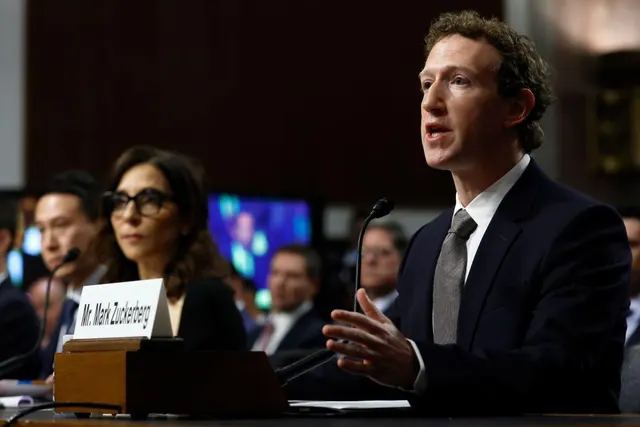
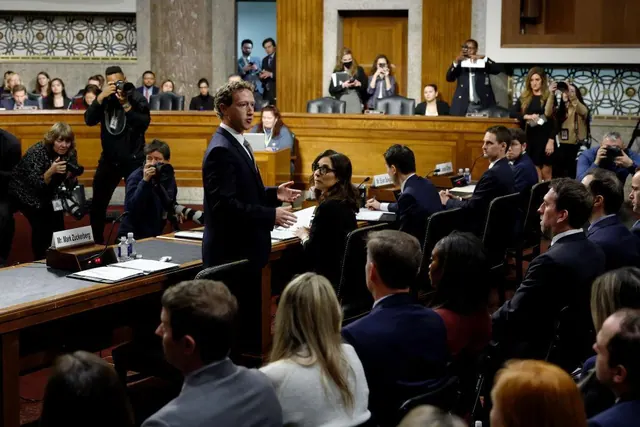
Mark Zuckerberg turned away from the senators and faced the families behind him. His apology became one of the defining moments of the Senate Judiciary Committee's January 31, 2024 hearing on online child sexual exploitation.
The hearing brought five technology executives before lawmakers. The questions went beyond a single apology: what were their companies doing to prevent abuse, and what could happen when those protections failed?
Five Companies Faced the Committee
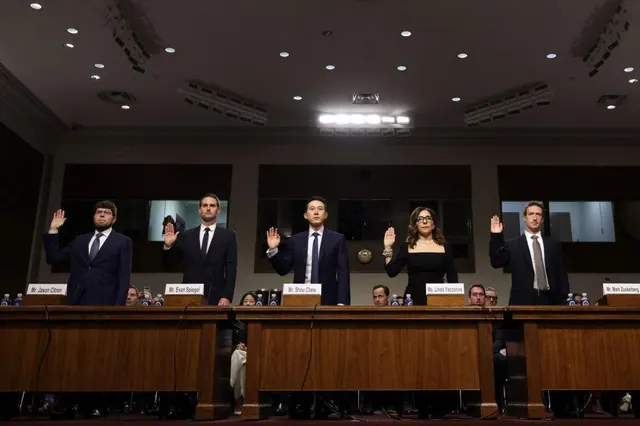
The official witness list named Meta's Mark Zuckerberg, TikTok's Shou Chew, X's Linda Yaccarino, Snap's Evan Spiegel and Discord's Jason Citron. Those were their roles at the time of the hearing.
The services differed, but senators pressed a shared question about responsibility for children online. Company testimony was not an independent finding that their practices prevented every form of abuse.
Families Were Part of the Hearing

Some of the people seated behind the executives held photographs of children they had lost. Parents and survivors were present as the senators asked what the companies had done to protect young users.
Recorded accounts of exploitation opened the hearing. Those experiences gave the discussion a human setting, but they weren't a study of every child using social media. The stories should be heard on their own terms without assigning the same experience or diagnosis to all young users.
Graham Pressed for Accountability

Senator Lindsey Graham delivered some of the day's sharpest criticism. He accused Zuckerberg and the other companies of bearing responsibility for harm and argued that families needed a stronger route to hold platforms accountable.
Those were a senator's accusations and policy arguments, rather than a court judgment assigning liability for each family's experience.
The Argument Included Company Resistance
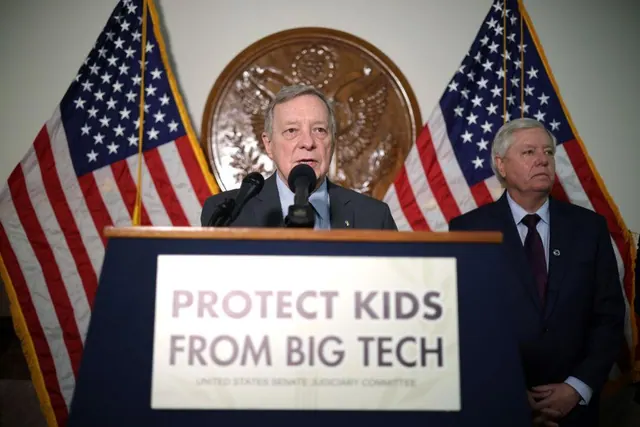
Senator Richard Blumenthal asked the executives to say where they stood on the Kids Online Safety Act. He also criticized lobbying against the proposal.
The responses weren't identical. Some executives expressed support; others raised reservations. Those positions are part of the hearing record, rather than proof that a proposal had become law or that a promised protection worked.
Hawley Asked Zuckerberg to Apologize
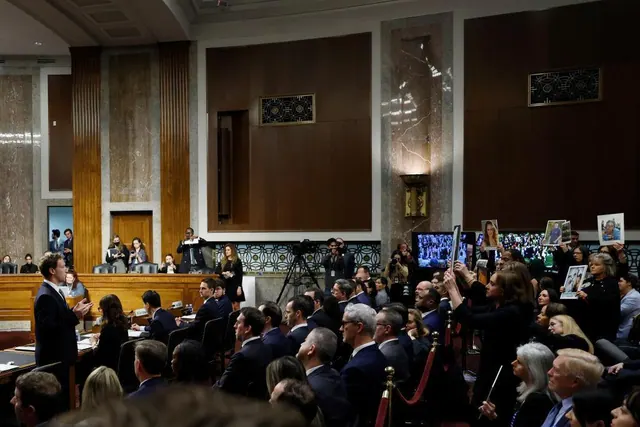
Senator Josh Hawley questioned Zuckerberg about the families sitting behind him and asked if he had compensated victims. Zuckerberg said he did not believe so. He described Meta's role as building safety tools and supporting parents.
Hawley then asked him to address the families directly. That sequence matters to the record: the apology followed questions about accountability and compensation, rather than arriving as an announcement of a compensation program.
Zuckerberg Turned Toward the Families

Zuckerberg expressed sorrow for what the families had experienced and said Meta would continue working on protective efforts. The official transcript records his words and the exchange surrounding them.
The apology did not settle the argument over the company's products. It was a statement made in the hearing, alongside contested claims about safety, research and responsibility. Families' experiences and questions about prevention remained the substance of the discussion.
An Apology Did Not Answer Every Safety Question
What happened before a report, and what happened after it? A reporting button addresses one part of a safety system; it can't show how every stage worked.
Senators' questions covered prevention, company responses and families' options afterward. To assess a response, you'd need evidence about its timing and failures. A description of a moderation policy alone doesn't supply that record.
Mental Health Evidence Needs Careful Wording

What did the Surgeon General's 2023 advisory conclude? The evidence did not establish that social media was sufficiently safe for children and adolescents. The document also recognized benefits and unanswered questions.
A lack of established safety isn't a finding that every user experiences harm. Content, patterns of use and circumstances differ. Those mental-health questions overlap with, but don't replace, the hearing's particular focus on online sexual exploitation.
Large Report Counts Are Not Victim Counts

NCMEC later reported 36.2 million CyberTipline reports in 2023. That is a dated count of reports of suspected exploitation, not 36.2 million independently confirmed victims or new criminal cases.
The organization reported 20.5 million reports for 2024 and explained that bundling related submissions contributed to the decrease. Reporting practices affect comparisons. Neither a large total nor a change between years can be interpreted without knowing what was counted.
The Record Extends Beyond the Apology

You can read the witnesses' statements and their written responses alongside the senators' questions. The public record preserves more than the clip of Zuckerberg facing the families.
This was a hearing in January 2024. A proposal discussed that day wasn't necessarily enacted, and a safety assurance wasn't evidence that a problem had ended. To assess what followed, attach the later date and check the later record.