ScreenGawk
From the 2024 Complaint to the 2026 Verdict: The Live Nation–Ticketmaster Case
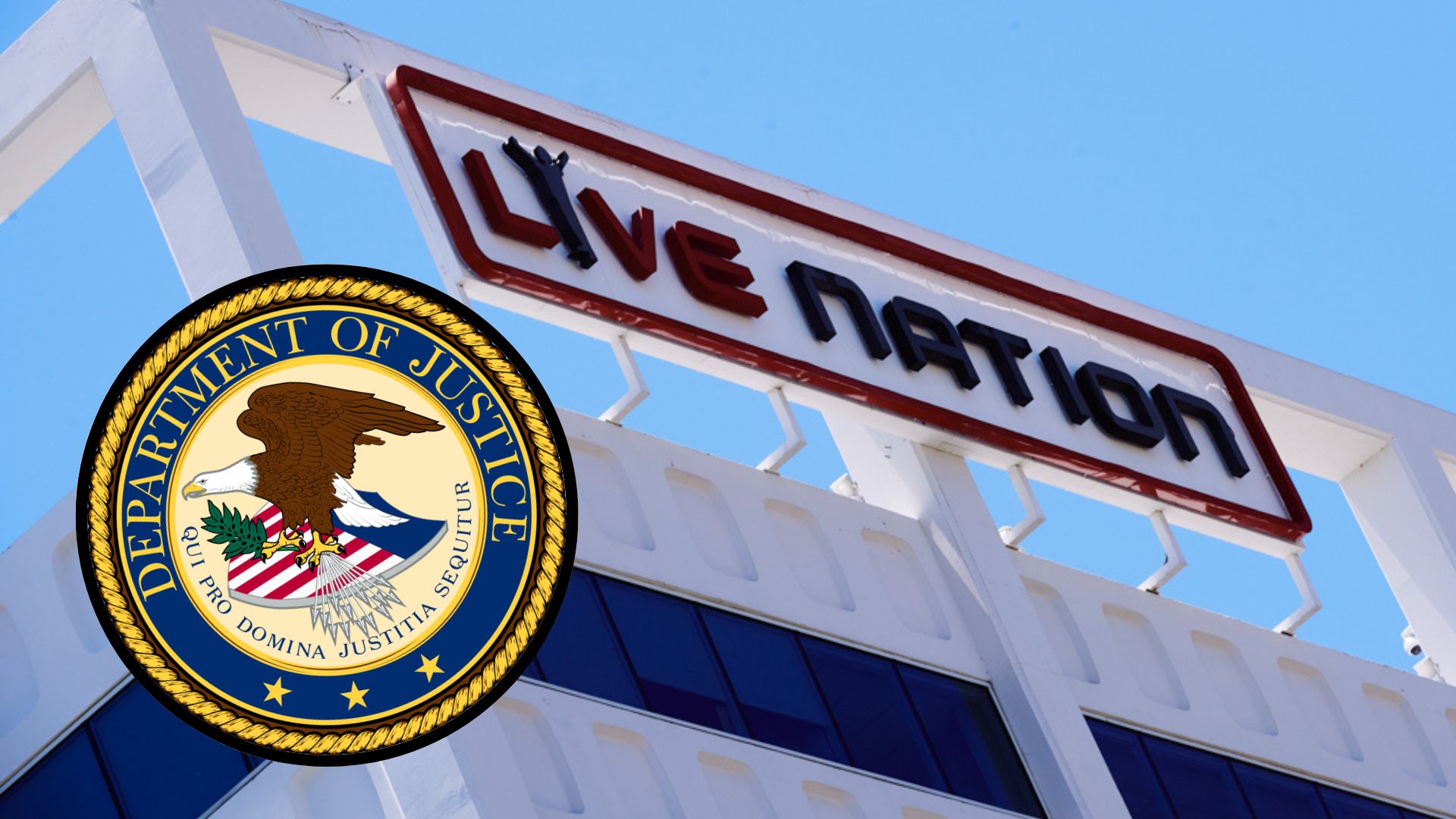
The government named both Live Nation and its Ticketmaster subsidiary when it filed suit in May 2024. Its complaint reached from concert promotion and venue access to the service fans use to buy seats.
The filing was only the beginning of this story. In March 2026, the Justice Department announced a settlement. States that continued to trial won a jury verdict the following month. Those separate paths explain why one headline about a settlement couldn't describe the outcome for every plaintiff.
The 2024 Complaint
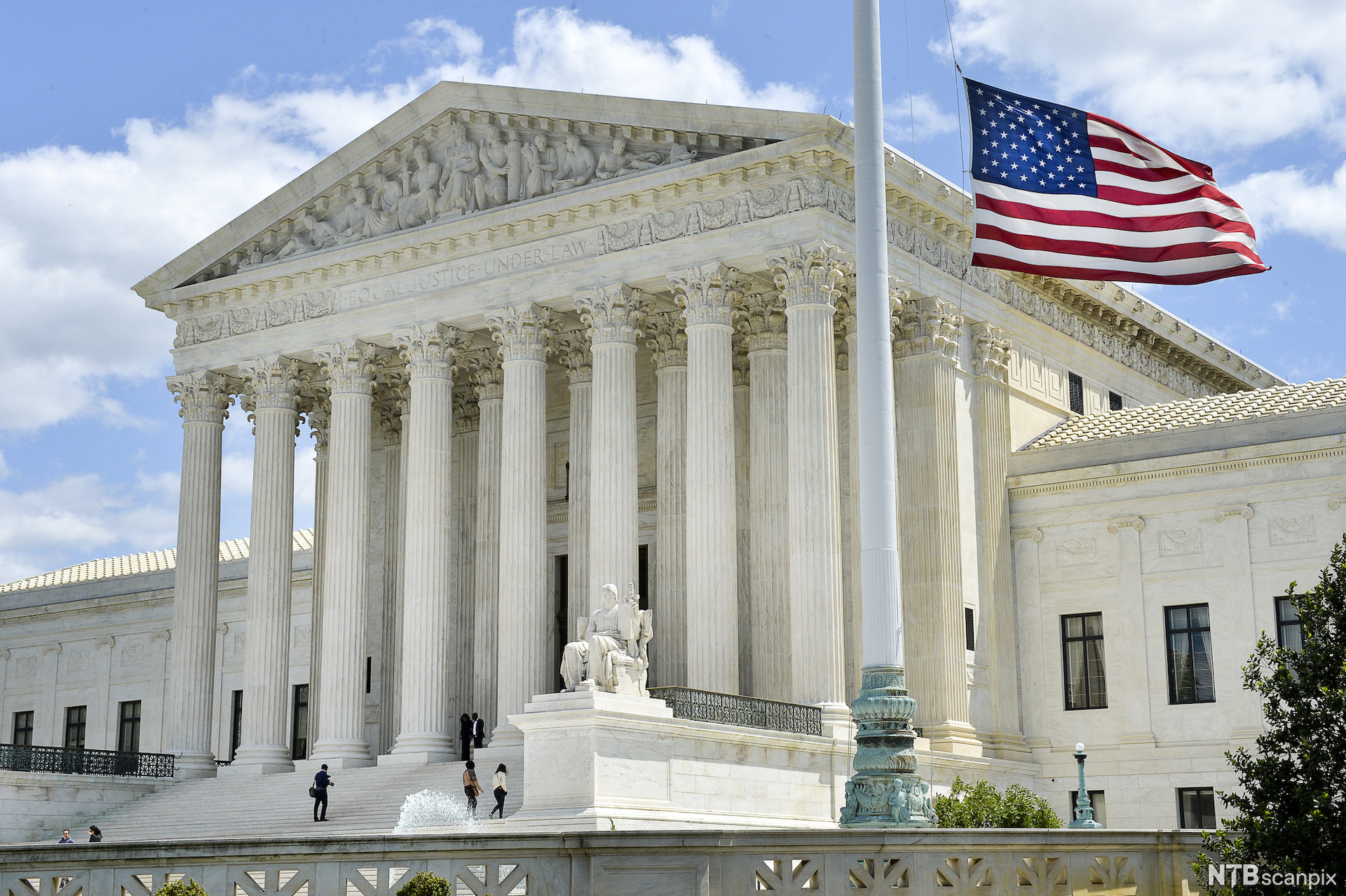
The Justice Department filed on May 23, 2024 with 29 states and the District of Columbia. It alleged violations of the Sherman Act and sought structural relief to restore competition. Ticketmaster was named alongside its parent, Live Nation Entertainment.
The action was filed in the federal district court in Manhattan. The Supreme Court photograph retained in this gallery is illustrative; it doesn't show the court where the complaint began. A request for structural relief also wasn't an order immediately dissolving the entire company.
Why the Connections Mattered
The government described a business operating across several parts of a concert's journey to the audience. Its theory was that power in promotion and venues could reinforce power in ticketing, making it harder for rivals to compete.
An artist needs a place to perform. A venue needs shows. A ticketing company needs venues to choose its service. The complaint asked how Live Nation's position across those relationships affected the choices available to each participant.
The Contracts at Issue
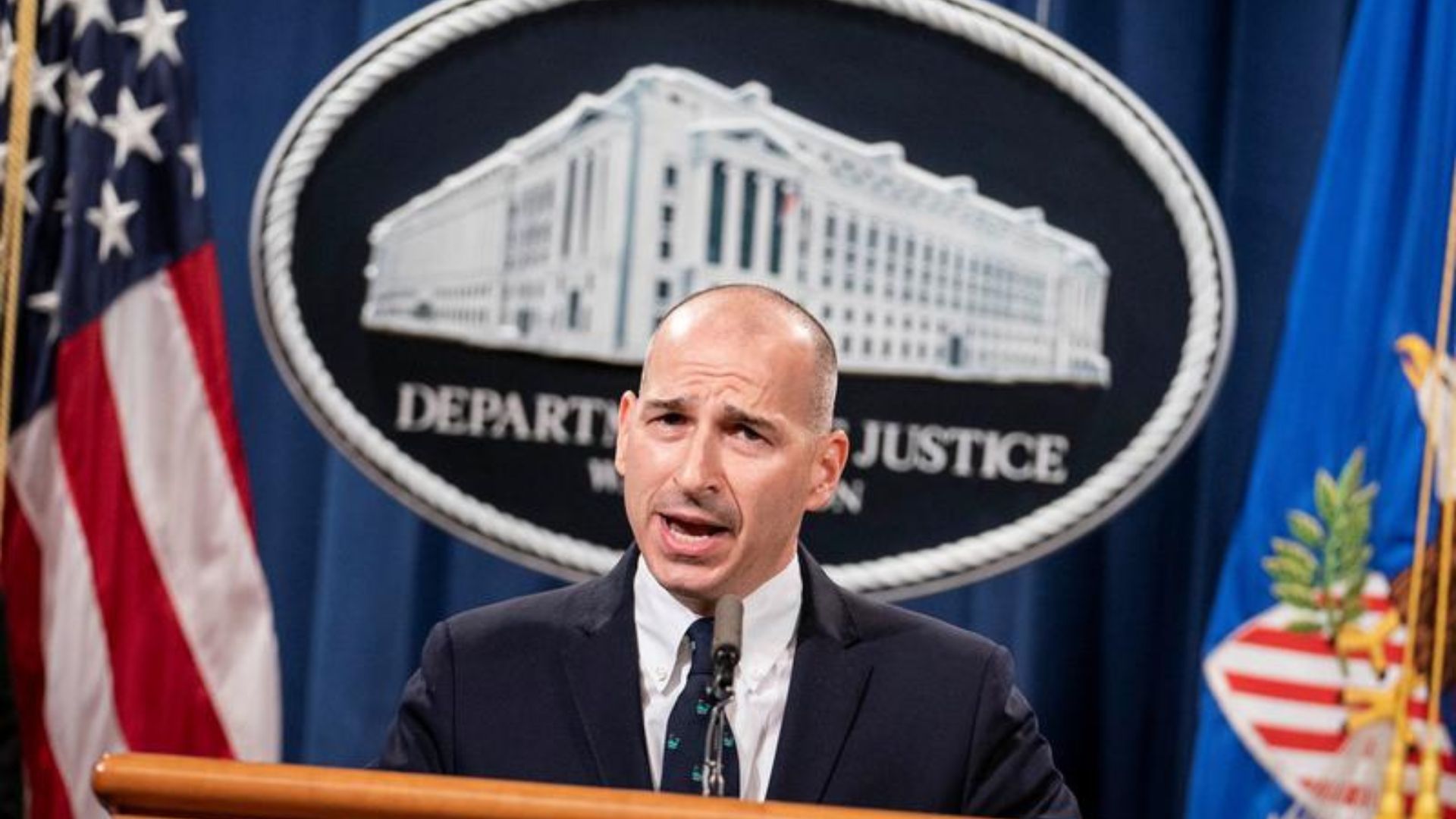
Prosecutors challenged long-term, exclusive ticketing arrangements and alleged conduct that restricted venues from using competing services. They also alleged that access to certain venues could depend on artists using Live Nation's promotion services.
Those were specific allegations about how business was conducted, rather than an argument that every exclusive contract in every industry is unlawful. The relevant questions included the markets involved, the company's power in them and what the challenged arrangements did to competition.
A Snapshot of Scale

More than 265 North American concert venues: that was the scale of Live Nation's ownership or control described by the DOJ in 2024. Its account included more than 60 of the top 100 U.S. amphitheaters. Those are filing-era figures, not a fresh venue count.
They also don't count every event Ticketmaster tickets. A concert promoter, a venue operator and a resale service do different jobs, even when one corporate group operates in several of those businesses. Any market-share number needs that context before it means much.
Live Nation Rejected the Theory

In its May 2024 response, Live Nation disputed the monopoly allegations and argued that the lawsuit would not solve fans' concerns about prices or service fees. It pointed to artists' role in setting ticket face values, venue participation in fees and competition from other ticketing businesses.
Those were the company's arguments in its defense. They weren't findings by the court. Including them makes the disagreement clear without treating either the complaint or the response as a final account of what the law established.
Fees and Prices Weren't the Same Question

An expensive ticket and a frustrating checkout can be connected to a competition dispute without proving every allegation in it. The case asked whether particular business conduct unlawfully maintained power in the relevant markets.
That is more specific than a promise to make every popular concert cheap. Demand for a limited number of seats, a ticket's face value, service charges and resale offers describe different parts of a fan's purchase. The legal dispute shouldn't collapse them into one number or one explanation.
The Merger Was Earlier History
Source: Freepik - Archive illustration.
The combined company dated to 2010. By the time the government filed in May 2024, about fourteen years had passed since Live Nation and Ticketmaster merged. The deal had been allowed with conditions in a consent decree.
That earlier approval wasn't a permanent judgment on everything the company might later do. The 2024 complaint challenged business conduct after the companies came together. Whether that conduct broke antitrust law was a separate question from whether regulators had allowed the merger in the first place.
The DOJ Announced a Settlement in 2026

A March 9, 2026 filing lodged the settlement term sheet with the court. Live Nation's announcement described changes involving ticketing access and amphitheater arrangements, without admitting wrongdoing, and said a proposed judgment would be submitted for approval.
The distinction between the DOJ and the states then became essential. A settlement of the federal government's claims did not dispose of every plaintiff's case. Several states rejected that resolution and continued the trial. Describing March 9 simply as the end of the entire lawsuit would leave out what followed.
The States Won a Jury Verdict
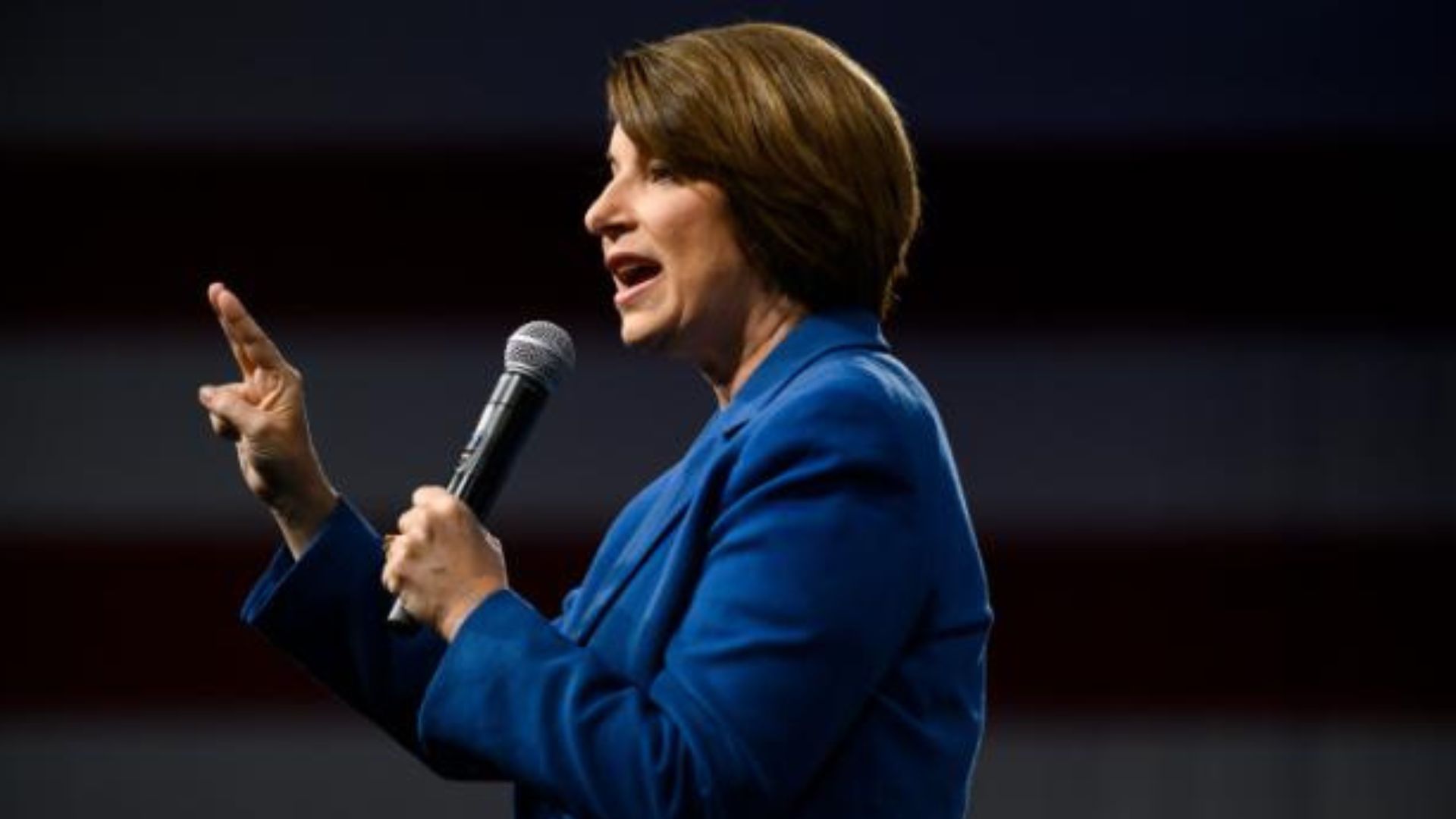
The states that continued after the DOJ settlement got a verdict on April 15, 2026. California's attorney general reported that the jury found Live Nation and Ticketmaster liable for anticompetitive conduct, including overcharging consumers for tickets during May 2020 through 2024.
The amount and form of relief were another matter. In that day's announcement, the state said the judge would address total damages, penalties, restitution and injunctive relief. A liability verdict did not, by itself, tell each fan what they would receive or order the companies broken apart.
The Company's Response to the Verdict
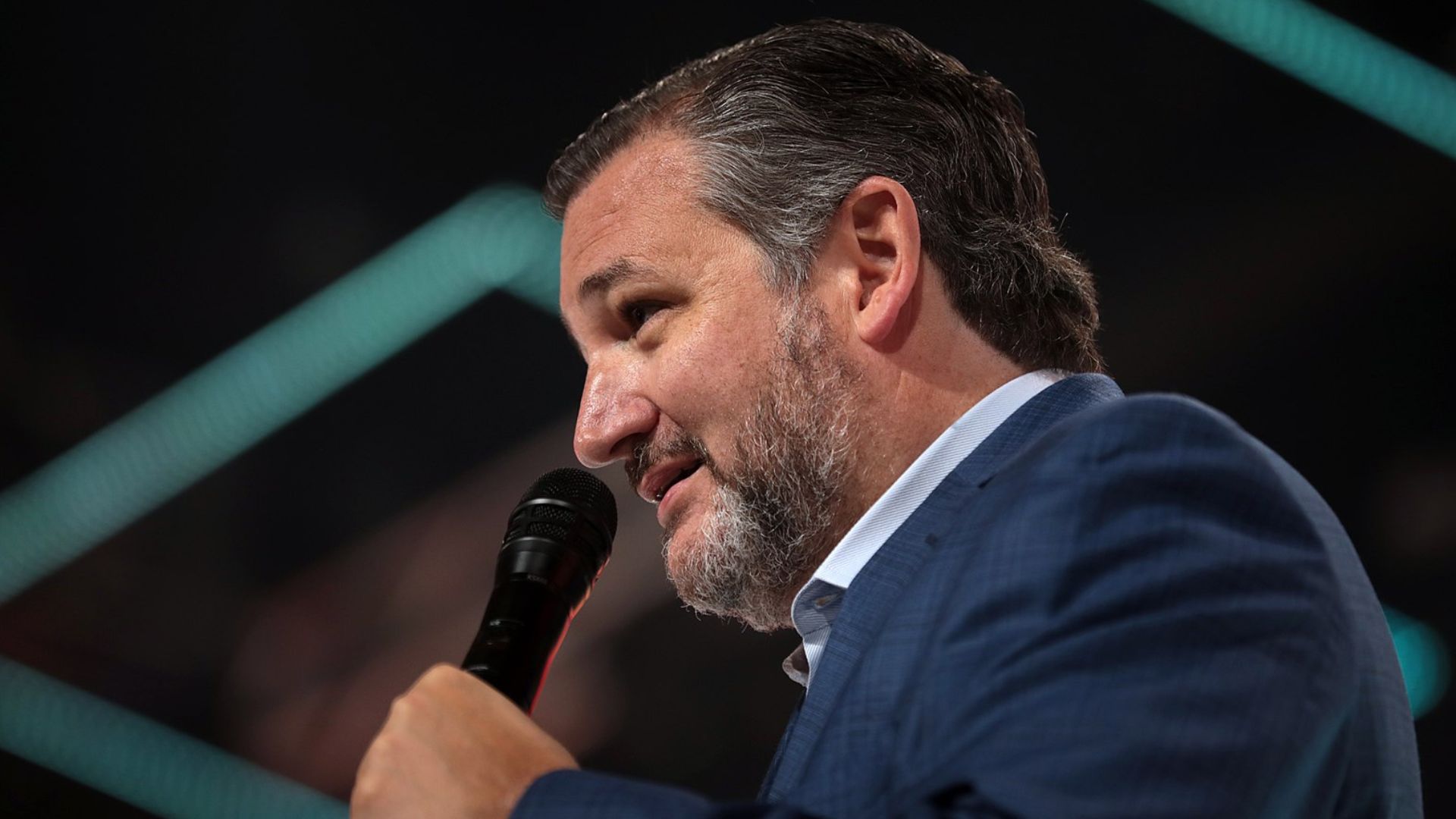
Live Nation didn't accept the verdict as the final word. Its April 15 statement said it would renew a motion for judgment as a matter of law, challenge the damages calculation and appeal unfavorable rulings.
That was its position on that date. The chronology here ends with the April 2026 verdict and response, rather than establishing what later motions or remedy proceedings produced. For a fan wondering what changes at the next concert, the relevant question is what relief is actually ordered and put into practice.