ScreenGawk
Disney's Desert Neighborhood Has a Lagoon. The Questions Go Beyond the View.
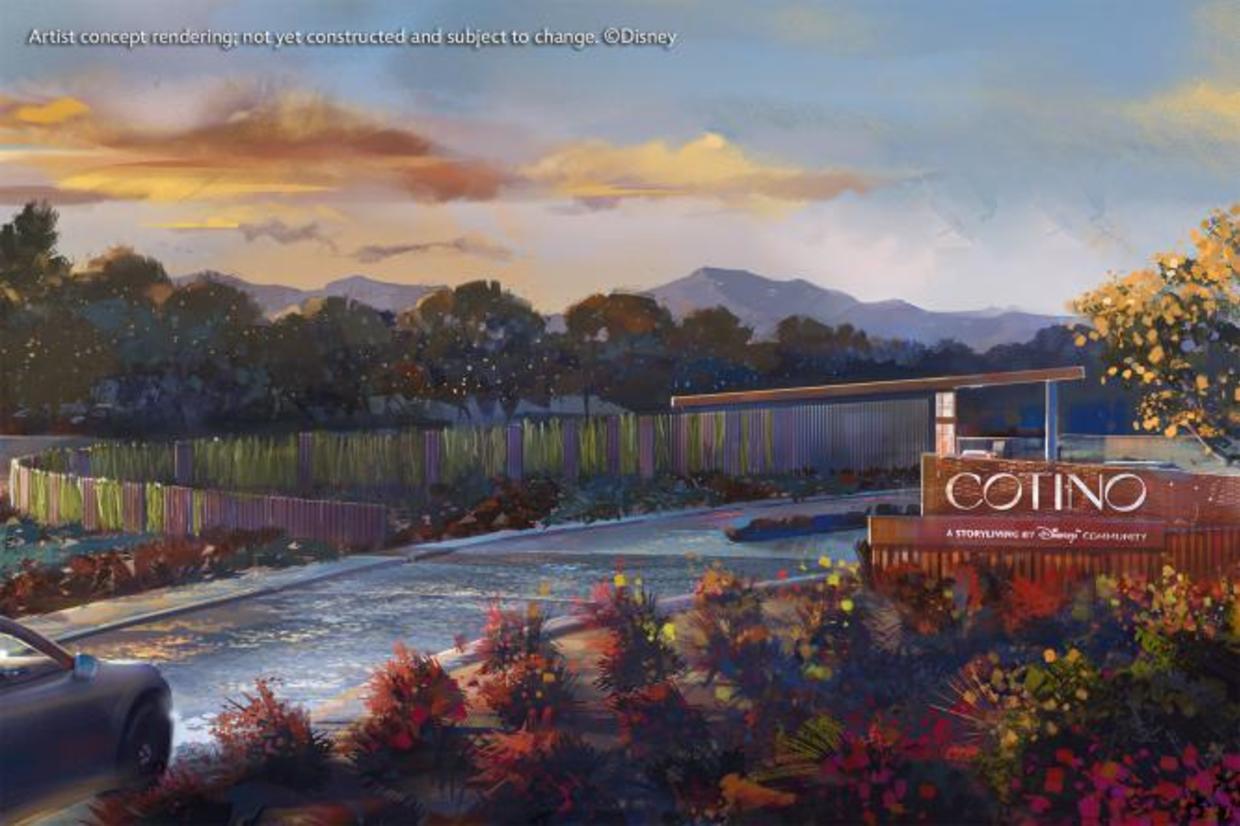
A blue lagoon in the California desert is a striking sales pitch. It's also the feature that made Disney's Cotino development such an easy subject for an argument about water, growth and who a new neighborhood serves.
The original debate dates to the project's rollout in Rancho Mirage. There have been changes since then: homes are selling, the private club is advertised as open, and the public beach destination still has an anticipated opening date. The earlier concerns deserve a look without treating every announcement as finished construction.
A Big Addition to Rancho Mirage

The number on the old plan is 1,932 homes, spread across 618 acres. Disney rounds that eventual total to about 2,000 in its current description of Cotino. It isn't saying that many households have moved in.
That is a substantial neighborhood to fit into Rancho Mirage. People nearby will experience it through ordinary things: another turn onto a busy road, services to provide, and more activity around their homes.
The Lagoon Was Always the Hook

Disney's February 2022 announcement described a roughly 24-acre lagoon, using Crystal Lagoons technology, as the centerpiece of Cotino. Promotional pictures made the contrast obvious: turquoise water and a beach set against desert mountains.
That announcement promoted low water consumption. It was the company's description of the technology, not an independent measurement of Cotino's operating water use. A rendering can't answer that question either.
Water Questions Need More Than a Picture
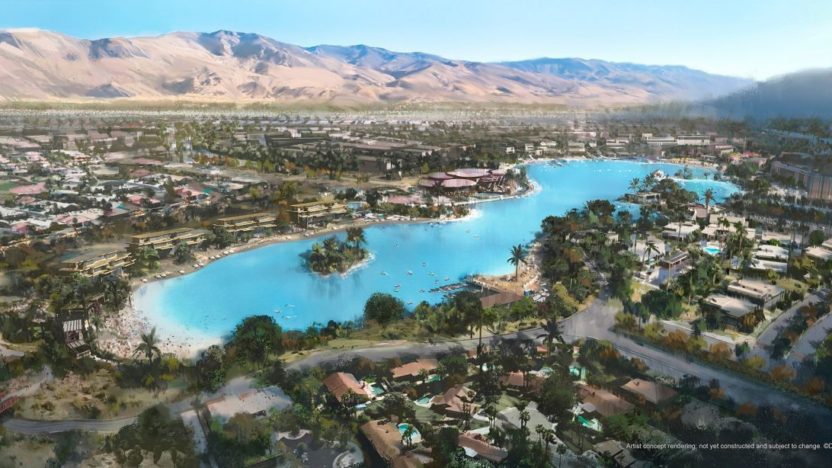
The old story placed the lagoon beside residents' experiences of drought restrictions. That tension explains the argument, but it doesn't supply a water-use total.
The relevant comparison would account for filling, evaporation, replacement water, landscaping and the development's other demands. Without those measurements, calling the lagoon either harmless or a proven drain on neighboring homes goes beyond the evidence presented here.
Desert Land Has Its Own Value
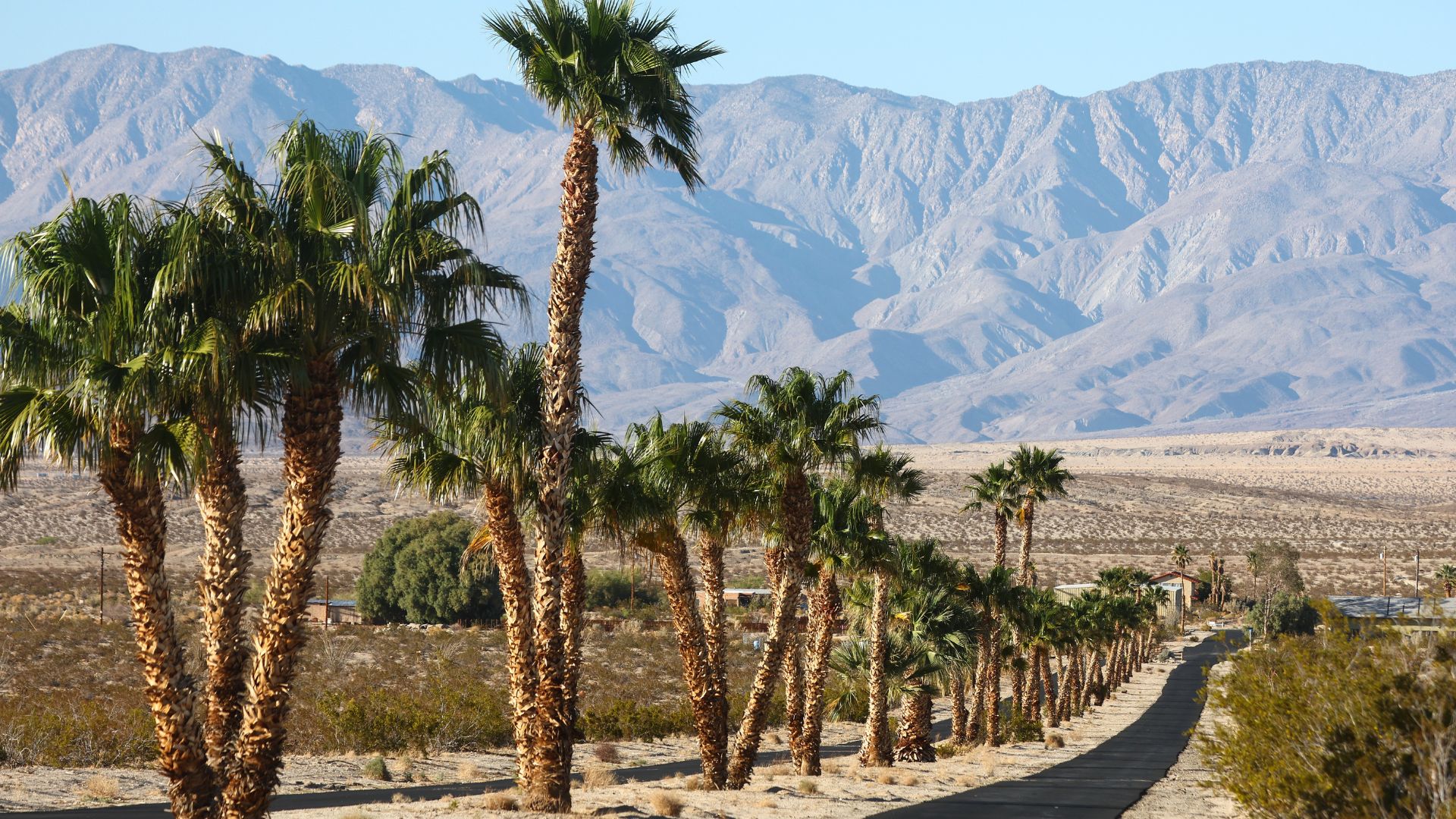
What happens to the land beneath a new neighborhood? Streets, buildings and managed recreation areas replace the setting that was there before. That change deserves attention in its own right.
The environmental-review record includes vegetation and biological resources, alongside traffic, noise and water. It tells us those subjects were within the review. It doesn't establish that nothing is affected, and it doesn't confirm every objection made to the development.
There Was a Planning Process
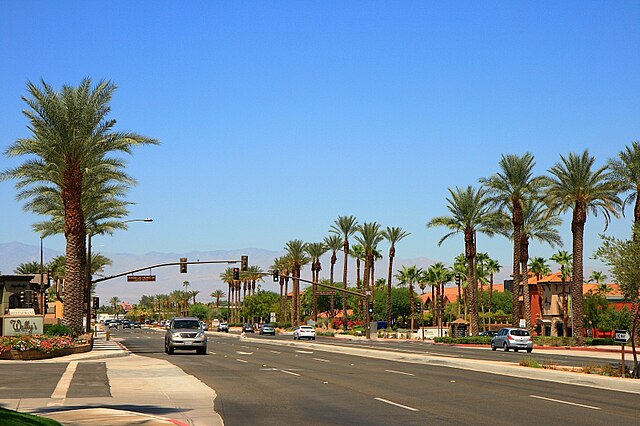
The claim that residents were given no say needs correcting. The state's planning record shows a public review period for the draft environmental report from July 26 to September 9, 2019. A later city notice records certification of the report on December 5, 2019.
Those dates predate Disney's 2022 branding announcement. Having a formal process doesn't mean every resident agreed with its outcome.
Luxury Homes Raise a Different Question

Disney's current sales material puts starting prices in the mid-$1 millions. That is a starting offer, subject to available homes and changing terms, rather than a price for every property.
It also leaves the original affordability question intact: what housing is available to people whose work supports a luxury community? More expensive houses don't, by themselves, answer that. Nor does their arrival guarantee a particular increase in a neighbor's property value.
A Club Is a Separate Choice
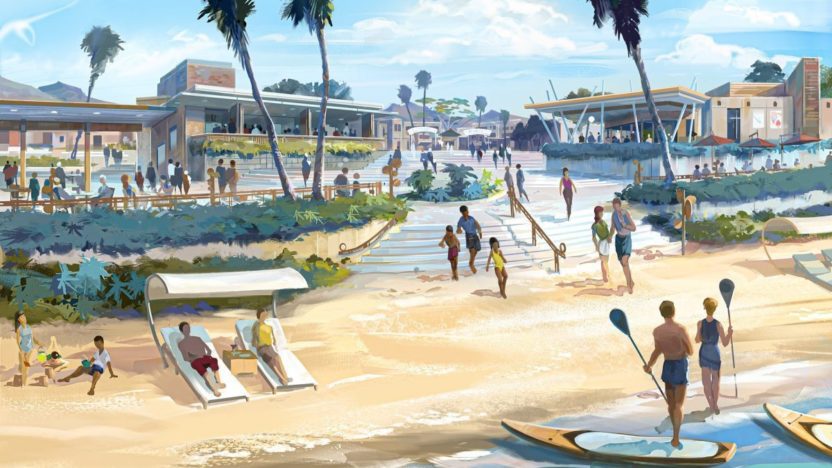
The Artisan Club is voluntary, with dues or fees and additional conditions. Disney describes beach access, recreation, dining and programming among its offerings. Buying a home shouldn't be read as buying every activity without further cost.
The community also has a designated 55-plus area. Cotino as a whole isn't restricted to that age group; Disney markets homes for buyers of other ages too.
Imagineers, Builders and a Brand
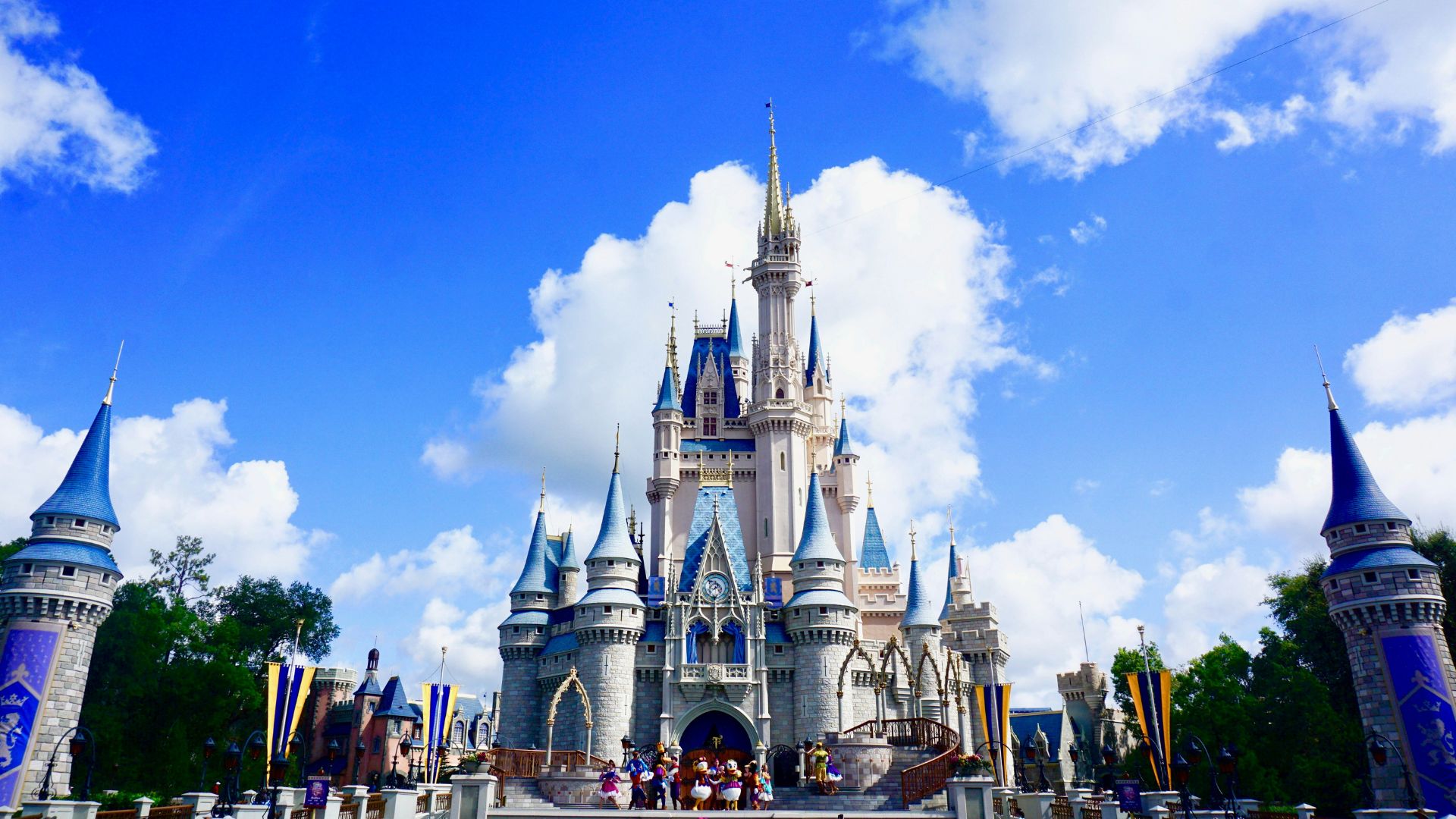
The connection to Disney is part of the appeal. Imagineers contribute creative concepts, while the development brings together DMB and homebuilders. These are homes in a planned residential community, rather than rooms inside a Disney theme park.
The castle photograph retained here illustrates the company's theme-park identity. It doesn't show Cotino, and a familiar Disney name doesn't make the two places interchangeable.
Check the Date on the Promise
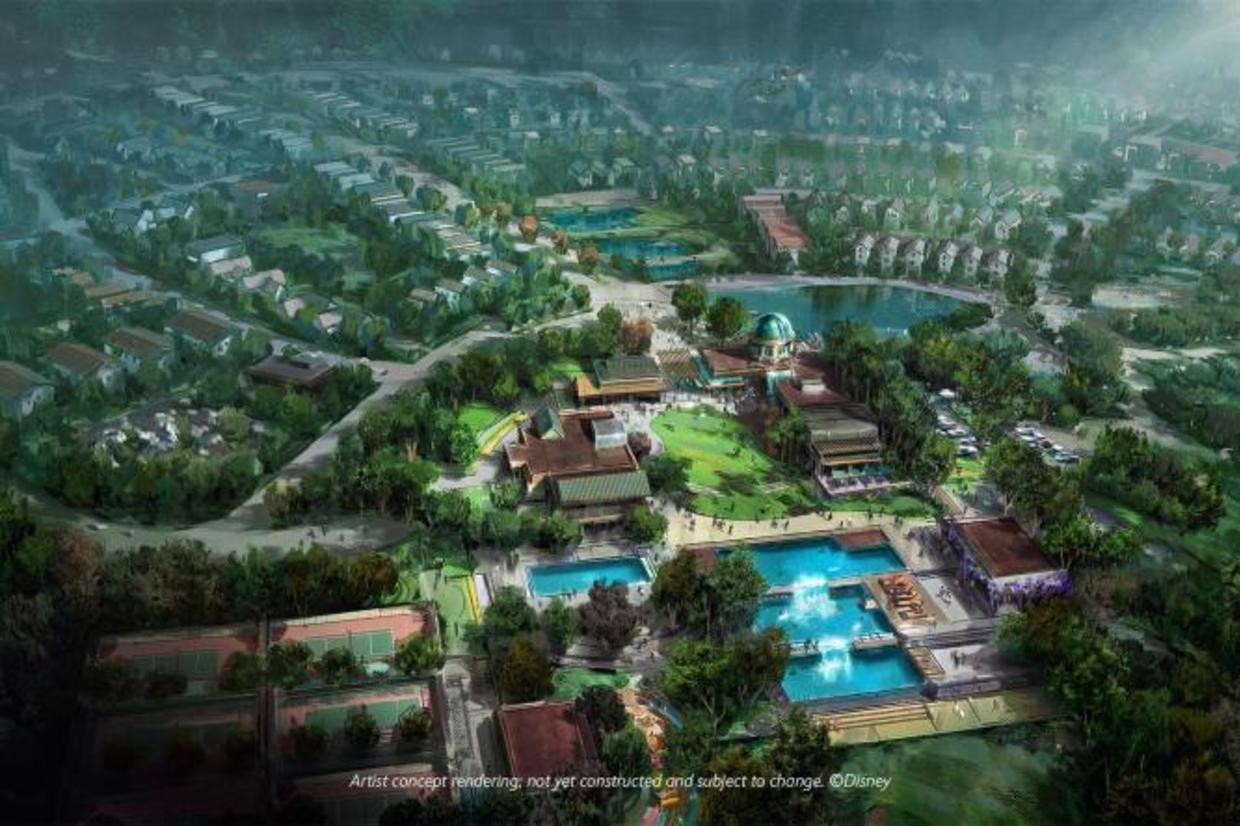
The current Cotino landing page advertises the Artisan Club as open. It lists Spring 2027 as the anticipated opening for the public beach, dining and shopping destination. That remains an expectation, not a guarantee.
Older launch descriptions and concept images can linger online long after plans develop. Before making a visit around a particular amenity, check the current listing for that specific place.
Renderings Show an Intention
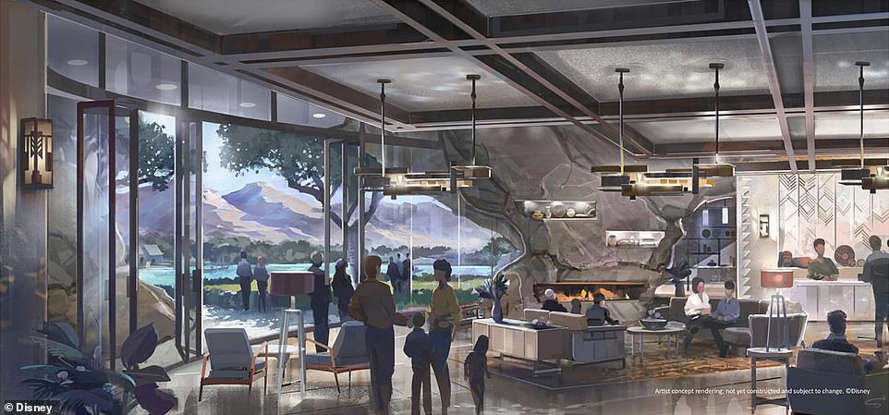
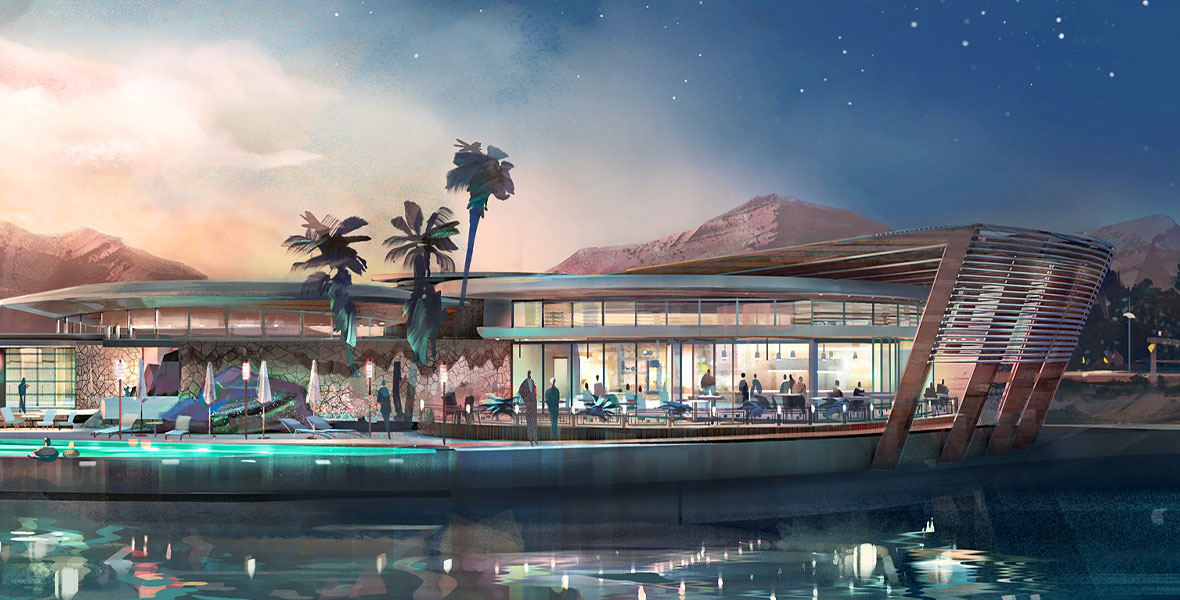
Several images in this gallery are Disney concept illustrations from the original archive. They show a proposed setting or design, rather than documenting that every pictured building and feature is complete.
The distinction matters when a development is built in phases. A polished image can communicate the atmosphere being sold while leaving timing, availability and the eventual view from an individual home unsettled.
What the Disney Name Can't Settle
Someone may love the thought of Disney hospitality at home. Someone next door may want to know what it means for their street. Those interests can exist at the same time.
Cotino's progress will be clearer in answers to ordinary questions: the water it uses, traffic nearby, the charges beyond a home purchase, and the facilities people can actually visit. Neither an appealing sales pitch nor a claim that the whole town is against Disney answers them.