ScreenGawk
June 4 in History, From a Royal Birthday to a Disputed Presidential Claim
A royal birthday, a fatal protest at a racecourse and a message about presidential power share a place on the June 4 calendar. Put them beside one another and the day takes in astronomy, politics, music and film.
Dates need a little care, though. An injury isn't always the date of a death, and an event that happened on June 5 shouldn't quietly migrate into a June 4 list. Here's the history, with those distinctions kept in view.
781 BCE: An Eclipse in the Astronomical Record
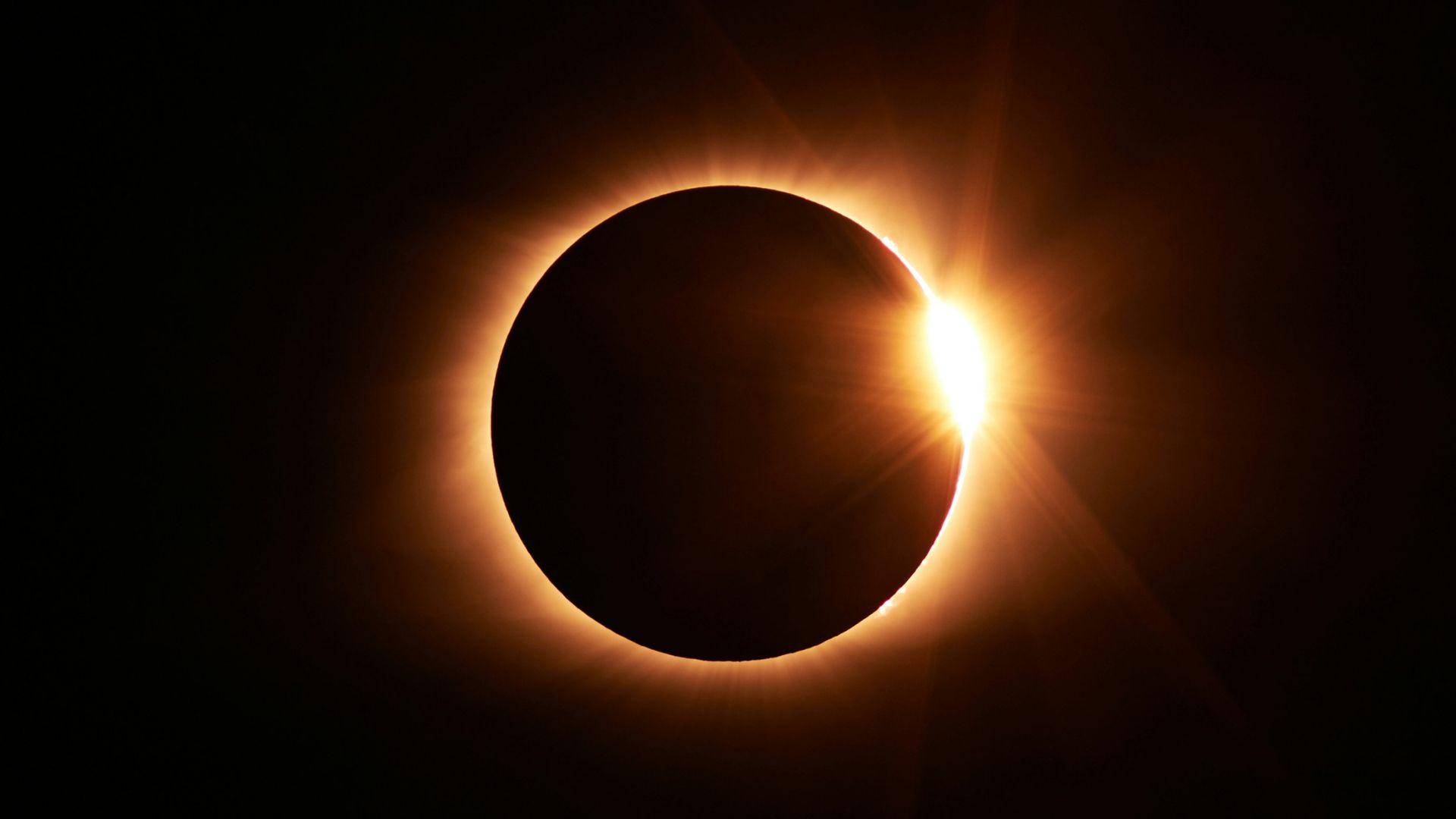
NASA's eclipse catalog lists a total solar eclipse on June 4 in the astronomical year -780, equivalent to 781 BCE. Astronomical numbering includes a year zero; the usual BCE system doesn't. That is why the two year labels look different.
An astronomically calculated eclipse and a surviving human description of it are separate records. The catalog date alone doesn't establish that a particular Chinese poem describes this event, or that it was China's first recorded eclipse. The photograph here is a modern illustration of an eclipse, not an image of an ancient observation. The ancient date is interesting without adding an unverified claim to be the oldest.
1738: George III Is Born
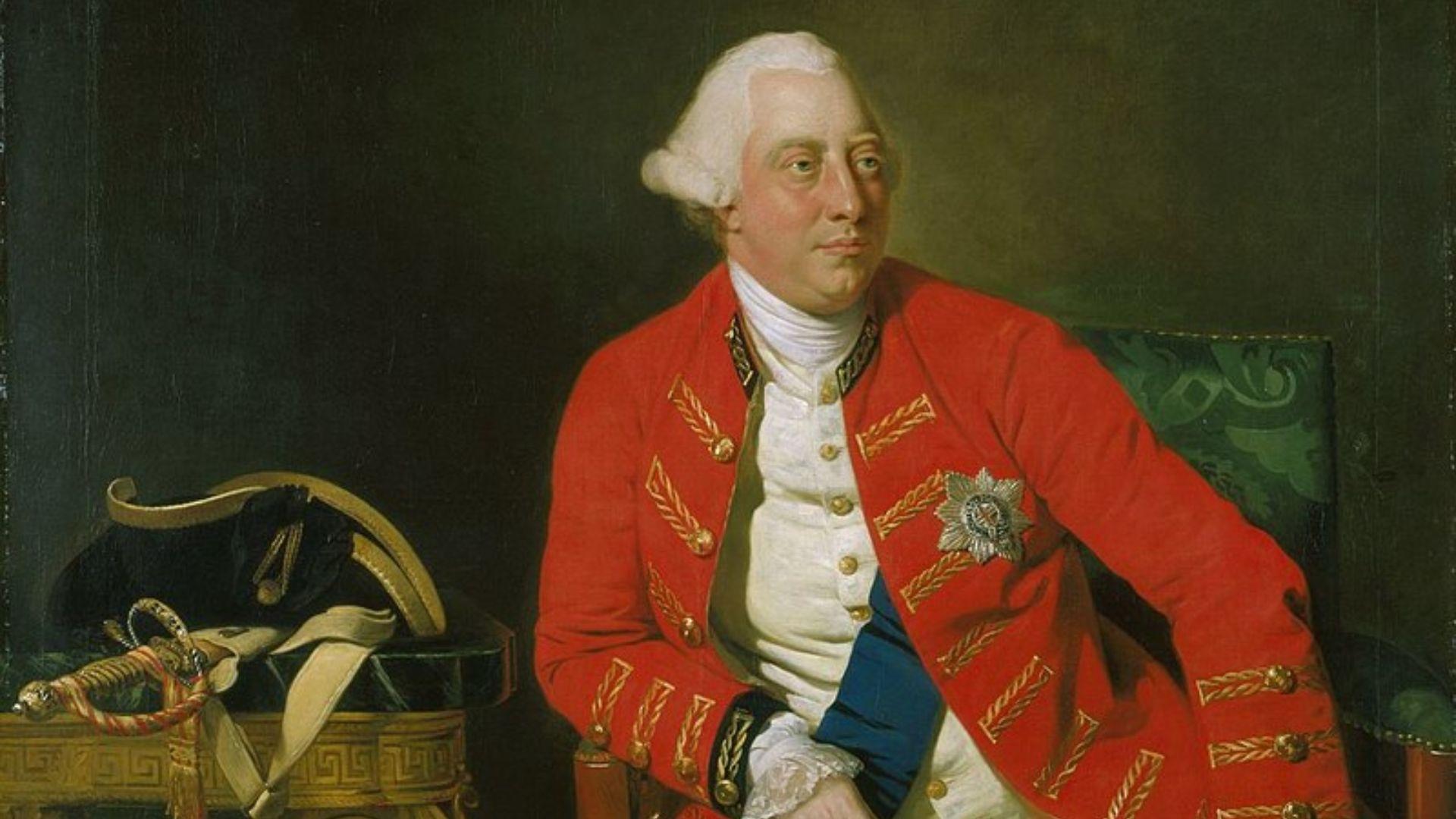
The baby born in London on June 4, 1738 would eventually follow his grandfather onto the throne. George III's father, Frederick, Prince of Wales, died in 1751; Frederick's death made the young George heir to George II. In 1760, the grandson became king at 22.
His reign lasted until 1820, with his son acting as Prince Regent during its final years. The American colonies' break with Britain is the episode many readers will associate with George III. There were other interests too. The royal household's biography notes that he founded the Royal Academy of Arts in 1768 and paid its initial costs.
1913: Emily Wilding Davison Is Struck at the Derby
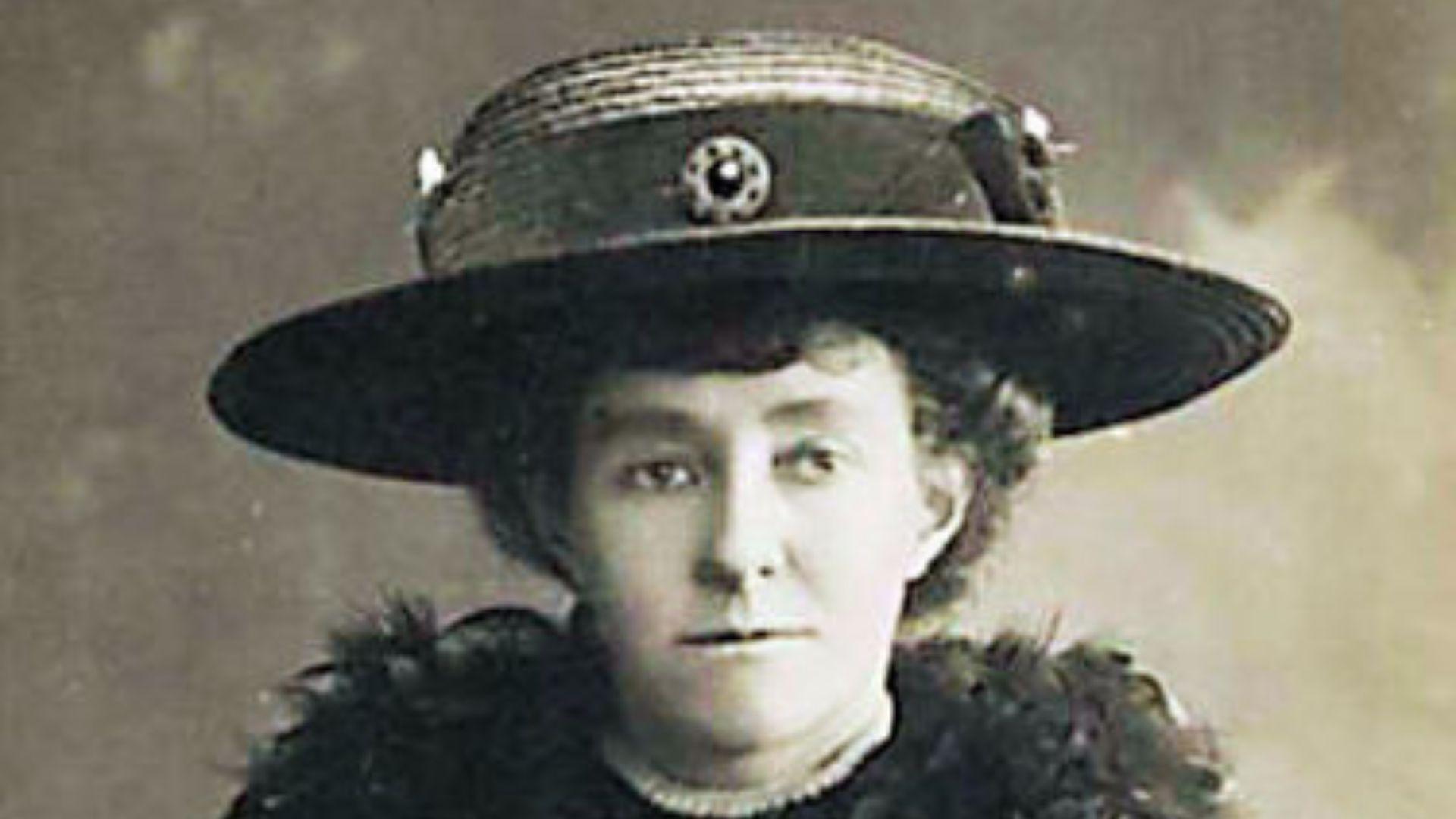
On June 4, 1913, suffragette Emily Wilding Davison went onto the course at the Epsom Derby and was struck by the king's horse, Anmer. She died on June 8. A heading that places her death on June 4 confuses the incident with its outcome.
Her action became one of the best-known episodes in the campaign for votes for women. Its exact intention has been debated, so it shouldn't simply be described as a proven plan to die. Parliament's archive preserves material about Davison's campaigning and commemoration. The fatal racecourse incident is part of that history, alongside the sustained political work for which she had already been imprisoned.
1917: The Eve of the First Draft Registration
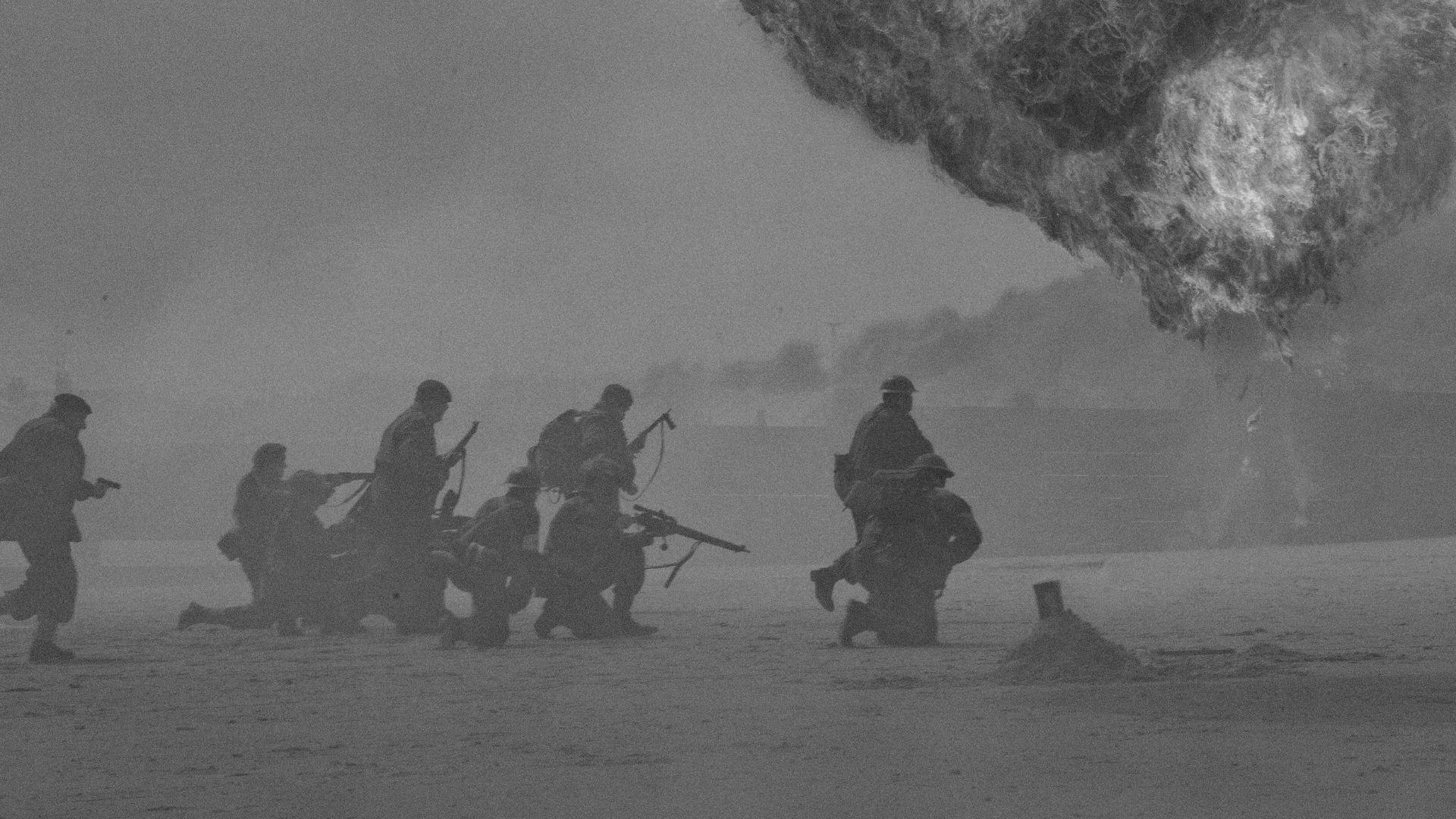
The date on the first registration cards is June 5, 1917. That makes this a June 4 near-miss: the first nationwide registration under the Selective Service Act happened the following day. It initially covered men aged 21 through 30.
Registering placed someone's details in the system for possible military service. It didn't put every man who filled out a card on a ship to Europe. Further registrations followed in 1918; the September round covered ages 18 to 45. The National Archives preserves the cards, with their names, addresses and occupations, as records of individuals within a much larger wartime mobilization.
1941: Wilhelm II Dies in Exile
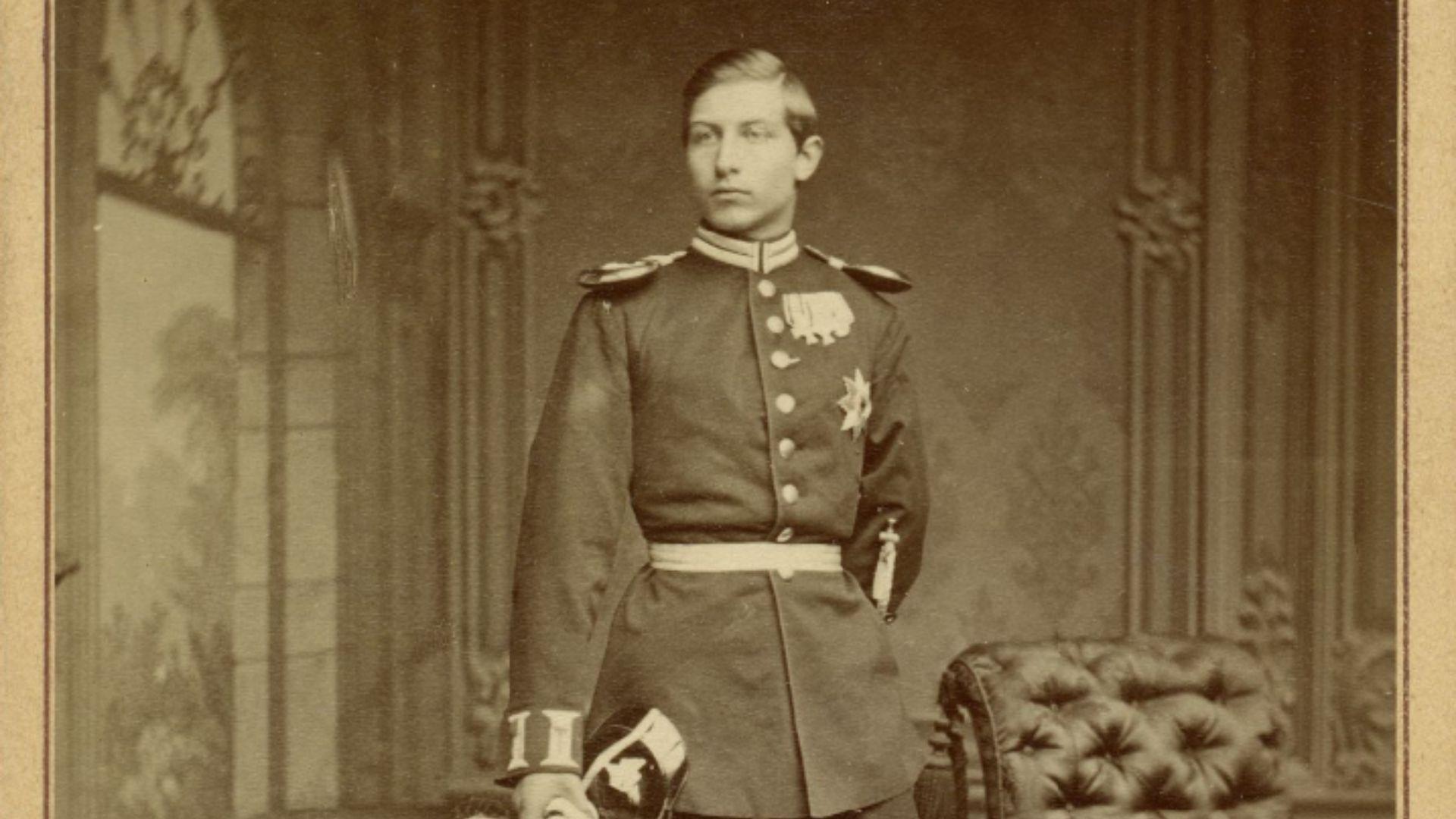
Wilhelm II, the last German emperor, died at Huis Doorn in the Netherlands on June 4, 1941. The former ruler had lived in exile after the collapse of the German monarchy at the end of the First World War.
By his death, another war had changed Europe, and the Netherlands was under German occupation. His place in the road to the earlier war is a subject for historical explanation, not something settled by calling him its sole instigator. Huis Doorn preserves the home and material from that exile. The setting places the final years of an imperial ruler far from the throne he had once occupied.
1951: Janet Leigh and Tony Curtis Marry

Janet Leigh and Tony Curtis married on June 4, 1951. They were young film performers whose later careers would make the names familiar to audiences who hadn't followed their wedding. Their daughters, Kelly Curtis and Jamie Lee Curtis, also became actors.
The marriage ended in divorce in 1962. Its place in a calendar of film history is the wedding itself, rather than a claim that a public photograph tells us everything about the relationship. Leigh later became especially associated with Psycho, while Curtis's film work included Sweet Smell of Success. The latter title includes Sweet; shortening it changes the name of the film.
1989: The Beijing Crackdown
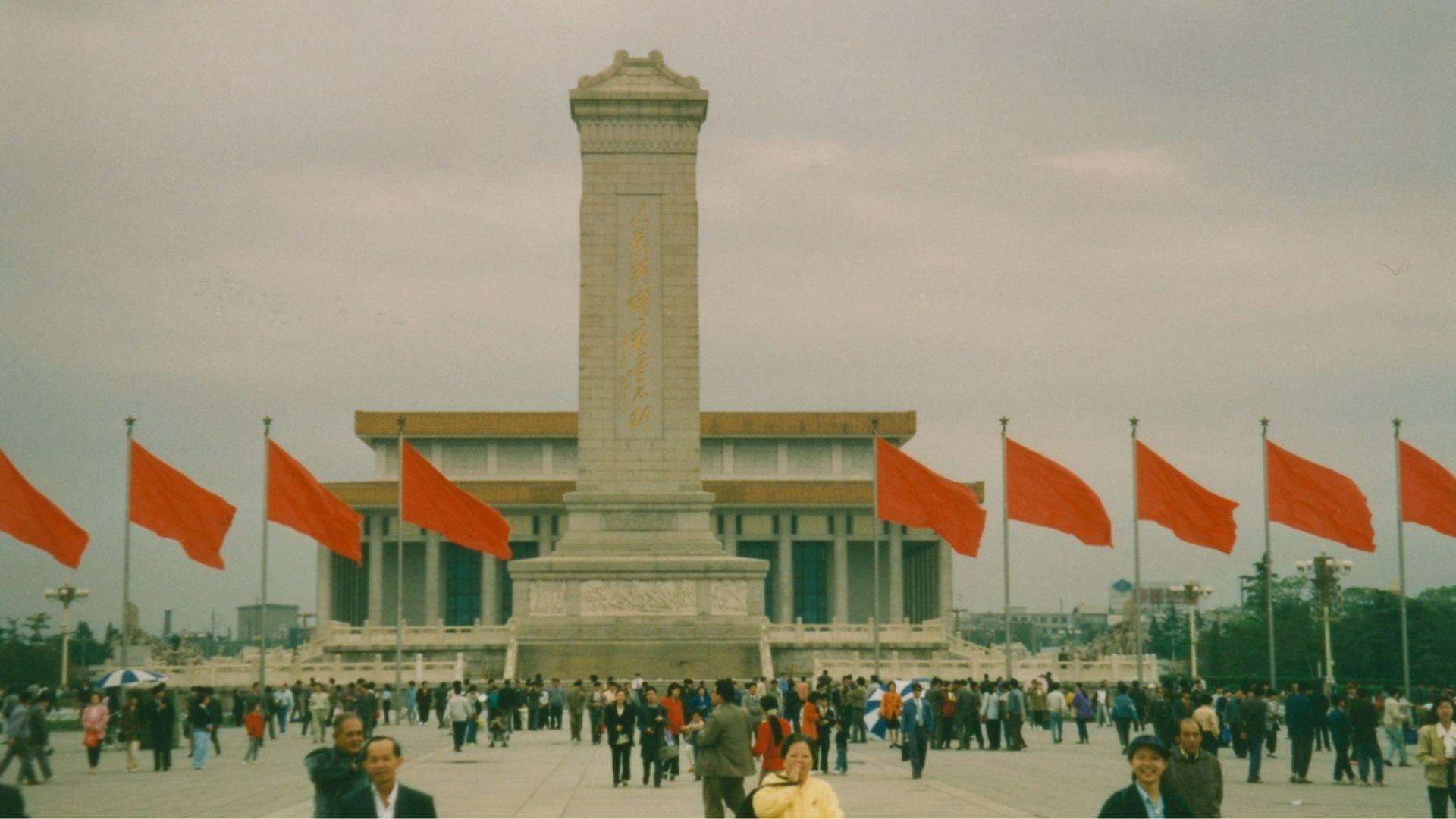
The photograph in this gallery shows Tiananmen Square as a place. It doesn't document the shootings of June 1989. On the night of June 3 and into June 4, troops moved into Beijing and fired on civilians as they suppressed the protest movement. The violence included streets around the square.
Three dates help keep the sequence clear. Martial law came on May 20. The crackdown unfolded on June 3-4. The man facing a line of tanks, seen in the famous photographs, was there on June 5. Those images recall the crisis, but one frame cannot tell the whole story of the people caught in it.
1997: Jeff Buckley's Body Is Found
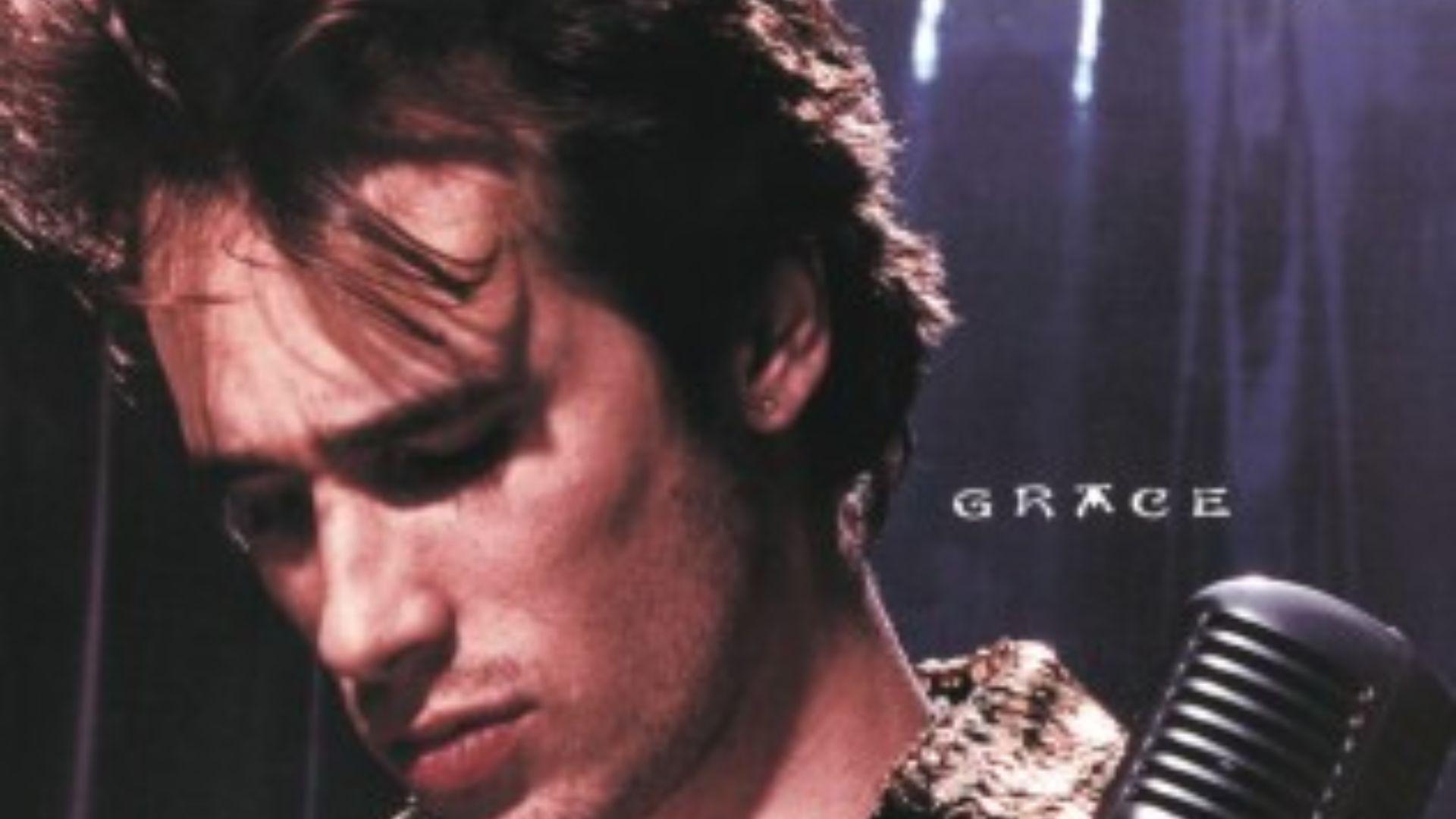
Jeff Buckley's body was found on June 4, 1997, after he had disappeared while swimming in Memphis the previous week. Contemporary reporting preserved on his official website describes a passenger on the American Queen riverboat spotting the body near the foot of Beale Street.
Buckley was 30. His 1994 album Grace was the studio record released during his lifetime, and his death left work on a follow-up unfinished. June 4 is the date his body was recovered, rather than the date he first entered the water. Keeping that distinction avoids turning a report that confirmed a loss into a different account of when it happened.
2018: Trump Asserts a Right to Pardon Himself
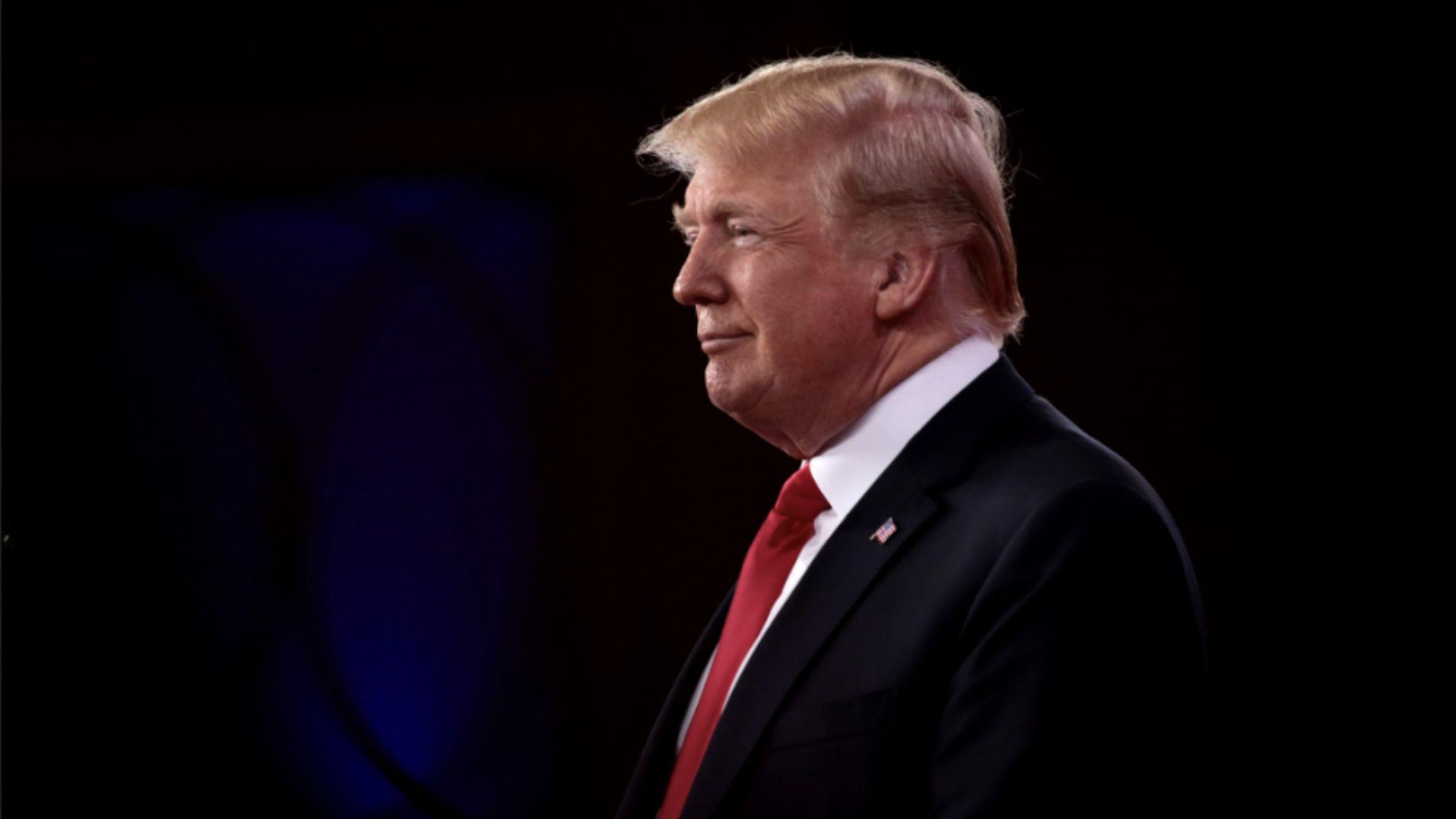
On June 4, 2018, President Donald Trump posted that he had the right to pardon himself, while saying he had done nothing wrong. The message appeared amid the Russia investigation and survives in the American Presidency Project's archive of his tweets.
The assertion was Trump's position, not a judicial ruling. A 1974 Justice Department legal opinion had taken the opposite view, reasoning that a president could not pardon himself. That memo is an executive-branch opinion, not a Supreme Court decision either. The historical event here is a president publicly making the claim. It shouldn't be used to imply that his message settled the constitutional question, or to forecast the outcome of a later case.