ScreenGawk
The 2022 Rockettes Visit That Put Facial Recognition Under Scrutiny
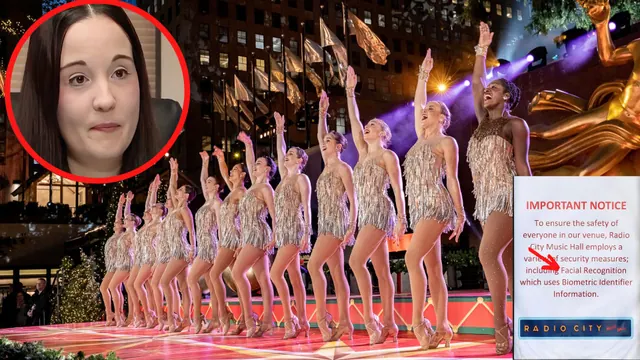
You can buy a ticket, arrive with your child's Girl Scout troop and still find yourself stopped at the door. That happened to attorney Kelly Conlon at Radio City Music Hall on November 27, 2022, when she accompanied her daughter to the Rockettes' Christmas Spectacular.
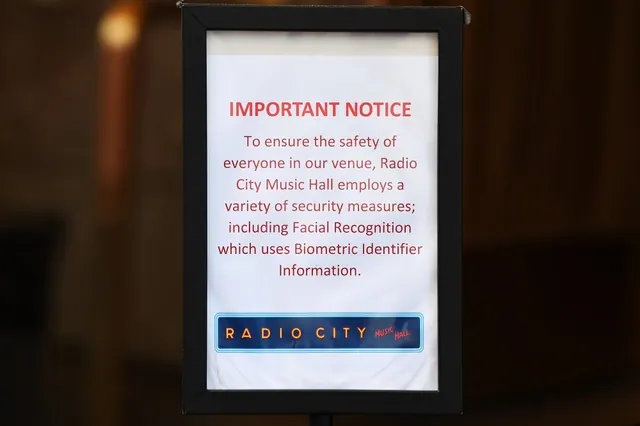
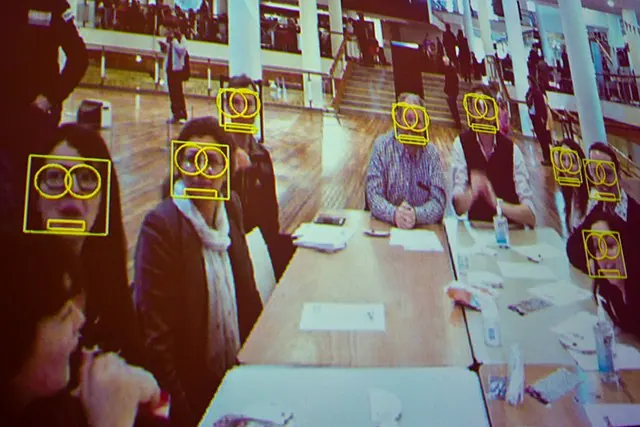
Facial recognition helped identify her. The reason she was excluded was her connection to a law firm involved in litigation against an MSG business, setting off a dispute that reached New York officials in early 2023.
A mother on a theater outing

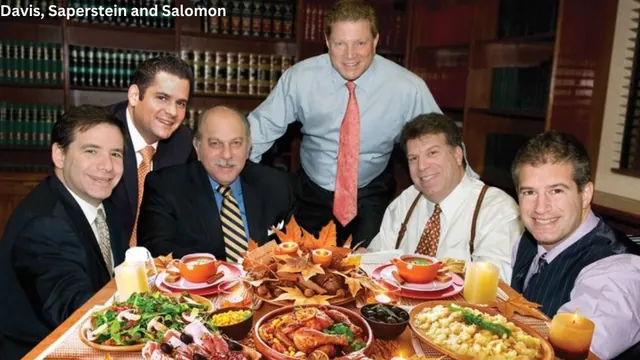
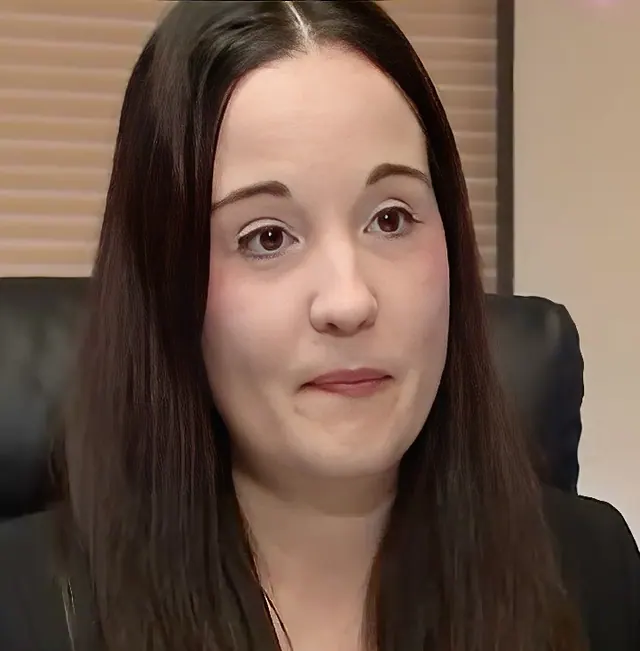
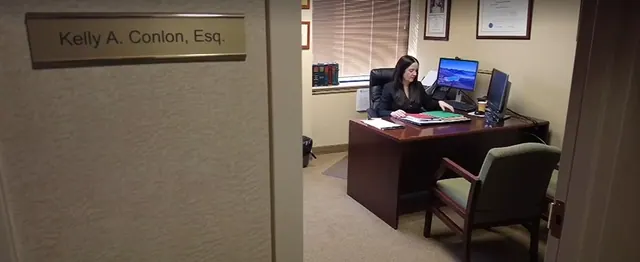
Conlon worked at Davis, Saperstein & Salomon, a New Jersey law firm. She was also accompanying her nine-year-old daughter's troop to a holiday performance. In February 2023 City Council testimony, firm partner Samuel Davis described two guards confronting her shortly after she entered and handing her a notice. The hearing record places the incident in November 2022, even though the story drew wider attention around Christmas.
The children went in
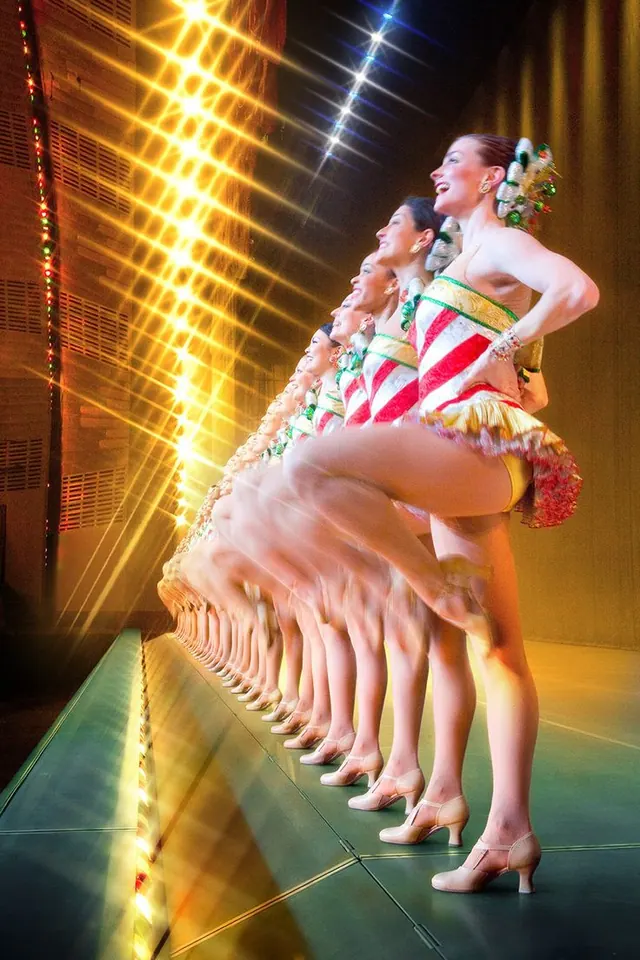
The outing continued for Conlon's daughter and the other Girl Scouts. Conlon had to wait outside while the children and other mothers watched the performance, according to the council hearing's account. That split is what made the incident so striking: the group had come for the same show, but one adult's workplace connection changed what happened at the entrance. She missed the performance she had accompanied them to see.
What the system identified
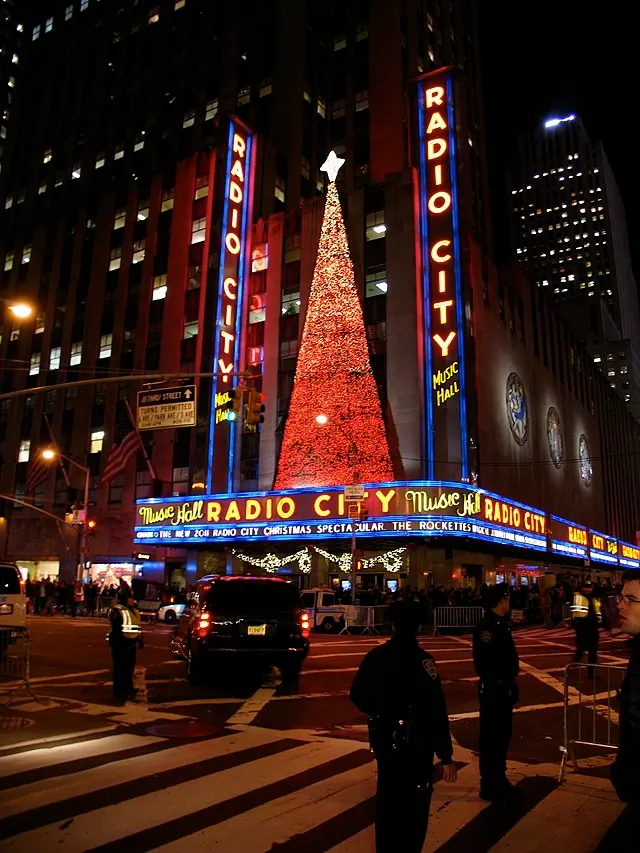
Conlon's exclusion wasn't described as a case of a camera mistaking her for somebody else. The reported match connected her to an attorney exclusion list. That leaves two separate questions: can a system identify someone correctly, and is the resulting decision fair? An accurate match cannot answer the second question. The dispute concerned what the venue did with the identification, as well as how it obtained it.
A case she wasn't handling
Davis told the council that his firm represented a person in an injury case against a restaurant later acquired by MSG. He said Conlon had no involvement in, or knowledge of, that case. The account makes the reach of the restriction clear. Working at the firm was enough to affect her theater visit, even though she hadn't come to Radio City as a lawyer working on the dispute.
How MSG explained the restriction
MSG's stated position at the time was that attorneys from firms pursuing active litigation against the company could not attend its venue events until that litigation was resolved. That explanation appears in a company statement reproduced in a May 2023 federal complaint. A complaint records a party's allegations; it isn't a court ruling. The statement nevertheless sets out the company's explanation for a restriction critics considered retaliatory.
The concern reached beyond one show
At a February 24, 2023 council hearing, state lawmakers Brad Hoylman-Sigal and Tony Simone criticized the use of facial recognition against attorneys, including colleagues uninvolved in the cases. They argued that such exclusions could discourage people from challenging the company. Those were the lawmakers' concerns about the policy's consequences. Their criticism didn't establish that every use of facial recognition at an entertainment venue was unlawful.
What the attorney general asked
On January 25, 2023, New York Attorney General Letitia James requested information from MSG about its use of the technology. Her office warned that excluding lawyers because of litigation could violate civil and human rights laws and discourage lawyers from accepting legitimate cases. It also asked about reliability and safeguards against bias. This was an information request and a warning about possible violations, rather than an announced final judgment.
Why the entrance mattered
The controversy joined a familiar family outing to a less visible business decision. A ticket described the show Conlon planned to see; the exclusion list determined if she could get inside. For audiences, that raises practical questions about notice: who is on a list, how they learn about it, and how they can challenge a restriction. Those questions remain separate from the quality of the performance onstage.
Keeping the timeline clear
The firm's later account says MSG rescinded its ban on injury lawyers and that the restaurant injury case settled. That is the firm's account of subsequent developments, rather than proof that every disputed MSG policy ended. Conlon's November 2022 visit remains a specific historical example. It shows how an entertainment venue's identification system could turn an employee's connection to litigation into a missed performance.