ScreenGawk
Royal Finances: Why the Sovereign Grant Isn't the King's Net Worth
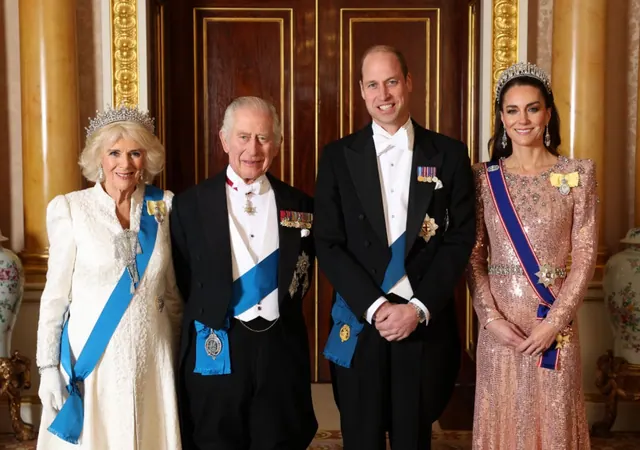
A palace, an annual funding figure and a private inheritance can all appear in a story about royal wealth. They describe different things. The money that supports the King's official work isn't a measurement of everything he owns, and property held for future sovereigns isn't automatically his to sell.
Start with who receives the money, what it pays for and which year it covers.
The grant supports official work

The House of Commons Library's September 2026 briefing puts the Sovereign Grant at £137.9 million for 2026–27, following £132.1 million in 2025–26. These are funding figures for the Royal Household's official work. Treasury guidance explicitly says the grant does not provide Royal Family members with a government allowance or personal income. It shouldn't be presented as Charles's annual salary.
Where the official funding goes

Staff, the upkeep of the Occupied Royal Palaces and travel for official engagements are among the costs supported by the grant. An overseas visit may produce photographs of a royal couple, but the photograph alone doesn't establish the cost of their journey or how each expense was funded.
What the accounts let you check
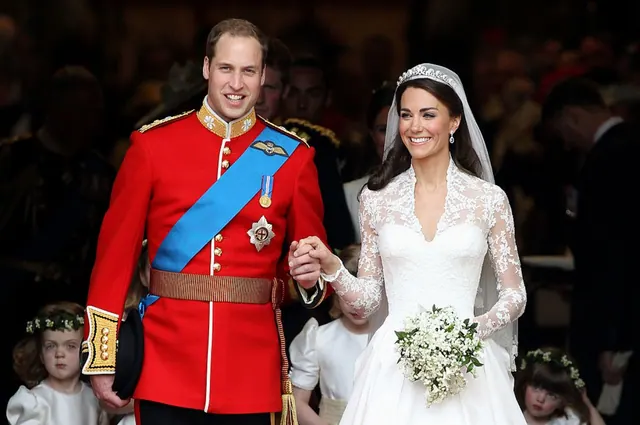
The grant's accounts are audited by the National Audit Office and laid before Parliament. They provide a way to examine public spending, rather than a valuation of a royal family's private possessions. When a figure is attached to a ceremony or wedding, its source and what it includes still need checking. An overall event estimate shouldn't quietly become a payment from the Sovereign Grant.
The Crown Estate is separate
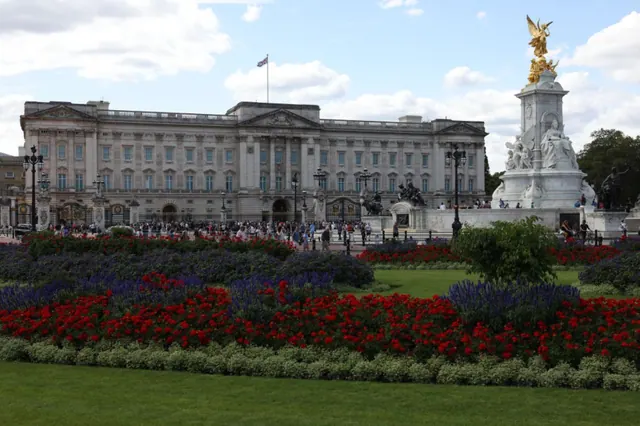
The Crown Estate explains that its assets are held by the sovereign in right of the Crown, rather than as private property. Charles cannot sell them for himself, and their revenues do not belong to him. The estate is managed independently and pays its net profit to the Treasury. The grant is linked to those profits through a funding mechanism; it isn't a personal withdrawal from an estate account.
Buildings can change the spending picture

The Royal Household's 2025–26 financial release reported that £67.5 million of that year's grant was allocated to preserving and protecting the Occupied Royal Palaces. It also described the ongoing Buckingham Palace Reservicing Programme. Funding a long building programme and paying for annual official activities are different uses of money, even when both appear in the same report.
Lancaster provides a different income stream
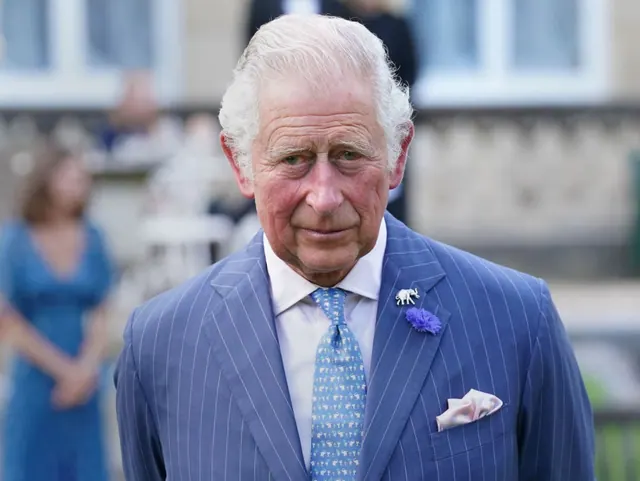
The Duchy of Lancaster is separate from the Crown Estate. Its net income goes to the Privy Purse, the sovereign's private income. The Duchy's own explanation distinguishes that arrangement from Crown Estate profits paid to the Treasury. A portfolio's capital value and the income it generates are also different measures, so the value of the land shouldn't be treated as the amount received each year.
The Royal Collection is not a private collection
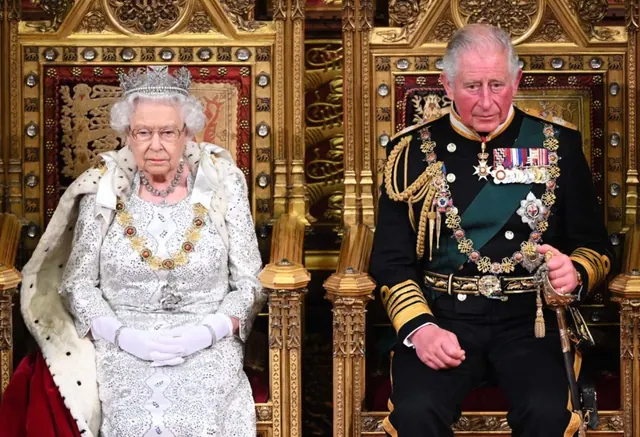
Paintings, furniture and other objects in the Royal Collection can make royal surroundings look extraordinarily valuable. Royal Collection Trust says the collection is held in trust by the King as sovereign for his successors and the nation. It is not owned by him as a private individual. An estimate that counts those objects as freely available personal assets would miss that distinction.
Private estates need their own category
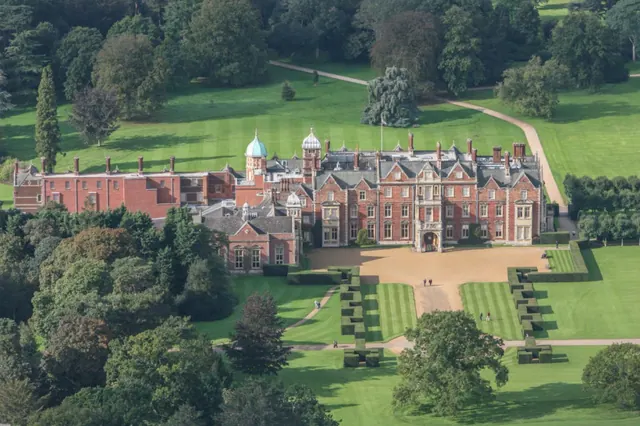
Balmoral and Sandringham are privately owned estates inherited by Charles from his mother, according to the Royal Household. They differ from official residences such as Buckingham Palace and Windsor Castle, which are held by the sovereign for future sovereigns. Putting all four properties into a single list of private homes obscures how they are owned.
Cornwall supports the Prince of Wales
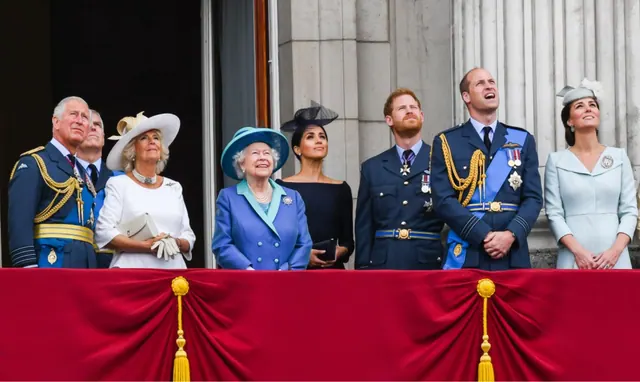
The Duchy of Cornwall's revenues support the public, charitable and private activities of the Prince of Wales. William became Duke of Cornwall in September 2022. The Duchy's guidance says he receives annual income but isn't entitled to the proceeds or profit from selling capital assets. Its portfolio value therefore cannot simply be relabeled William's personal spending money.
An inheritance is not the whole monarchy
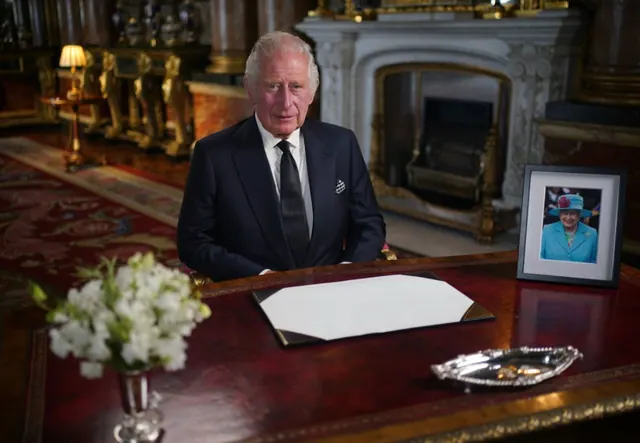
Charles's inheritance of Balmoral and Sandringham is a documented part of the private-property picture. It doesn't turn the Crown Estate, occupied palaces or Royal Collection into assets inherited on the same terms. Those holdings have their own arrangements for succession. A proposed total needs to identify which category each item belongs to before it can usefully describe personal wealth.
What remains outside the public figures
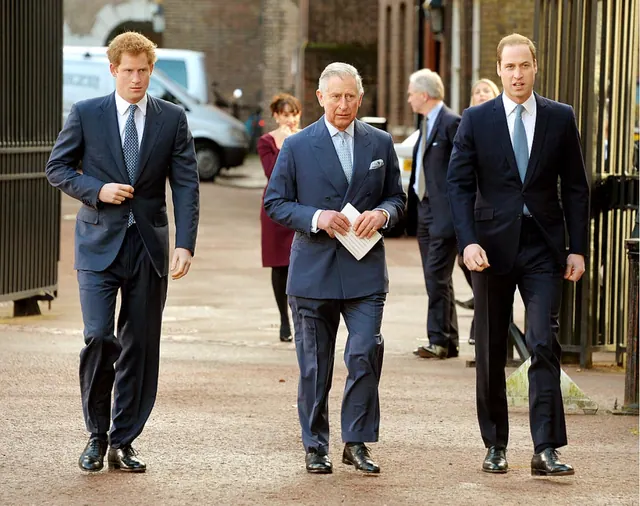
The Commons Library notes that the King's private income from investments and inherited wealth is not made public. The records explain the funding system, but they do not supply a complete personal balance sheet. They also cannot establish how much Charles will leave to his children. A future inheritance forecast should not be presented as an amount already known from the official accounts.