ScreenGawk
Sinéad O’Connor’s SNL Protest Was About Abuse, Not a Career Stunt
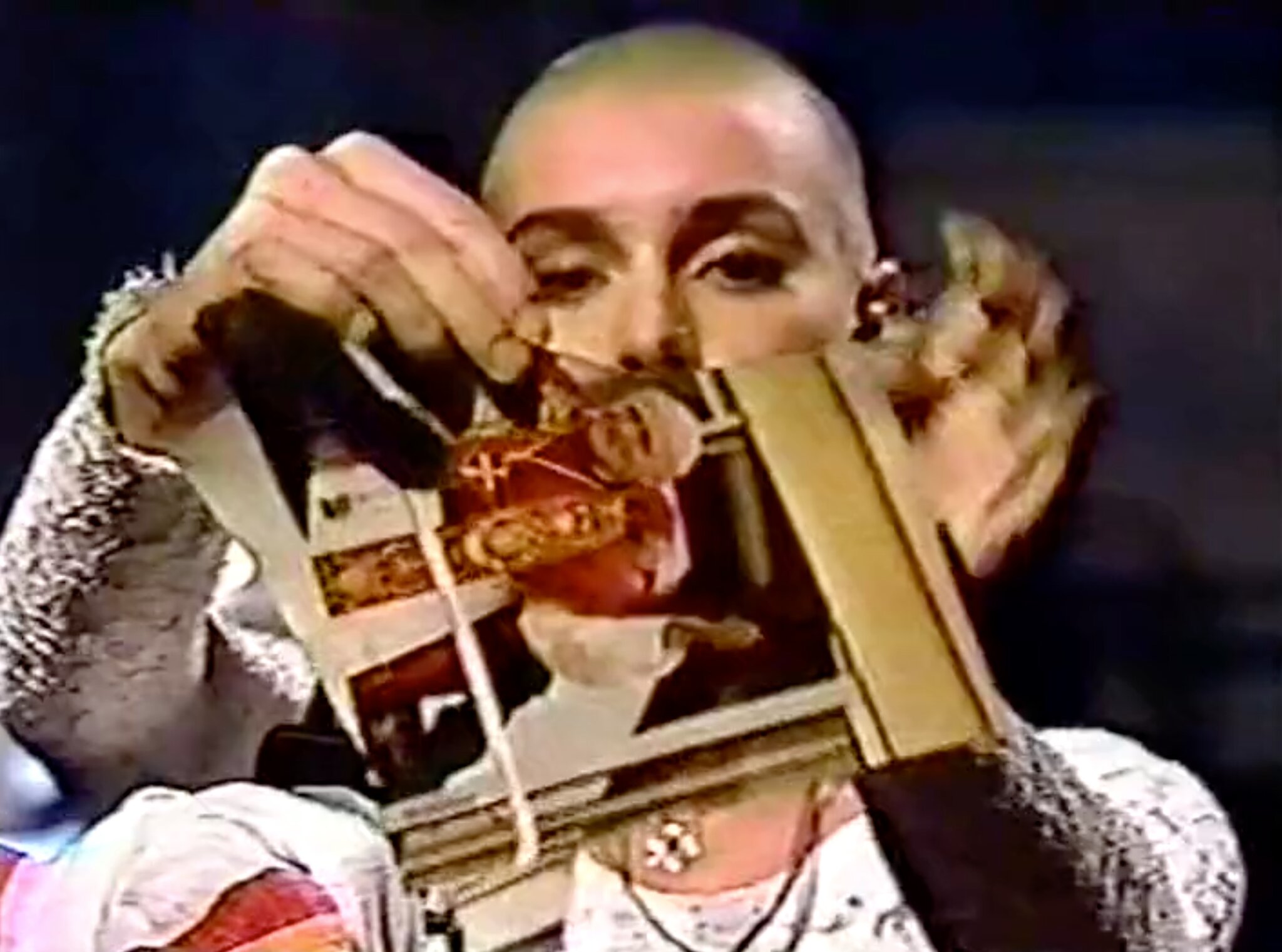
The photograph was of Pope John Paul II. Sinéad O’Connor tore it up at the end of her Saturday Night Live performance on October 3, 1992, making a protest against abuse and the power of the Catholic Church.
The gesture became famous; the reason for it was often lost in the response. The story of that night includes the performance itself, O’Connor’s account of what she was protesting and the anger directed at her afterwards. Those are connected parts of the history, but they are not interchangeable.
A familiar television setting
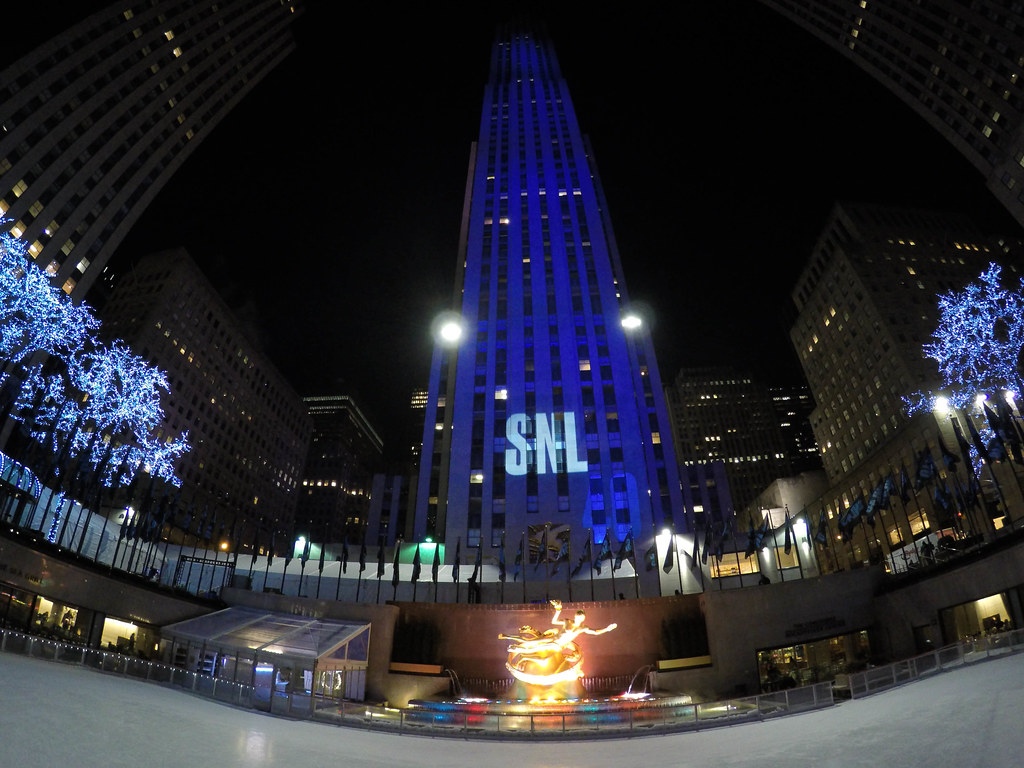
SNL offered a musical guest a large live audience, with viewers expecting a performance inside a familiar entertainment format. An unexpected act could therefore reach people who hadn't chosen to attend a protest.
O'Connor used that setting deliberately. The cameras were already on her, and the audience had no opportunity to anticipate the final gesture from an announcement beforehand.
A song became a statement
She performed an unaccompanied version of Bob Marley's “War,” adapting its message to address abuse. At the end, she held up the photograph and tore it into pieces.
The words she spoke after it made clear that she was identifying an enemy, not merely damaging a picture. The moment brought the authority represented by the pope into a discussion that television entertainment usually kept at a distance.
Rehearsal didn't reveal the final image
Accounts of the production describe a different photograph being used in rehearsal. That helps explain why the broadcast act surprised people working on the show as well as those watching at home.
A live program can prepare cameras, sound and timing without knowing everything a performer intends to do. The event became part of SNL history precisely because the planned entertainment format didn't contain the meaning of the final act.
Anger quickly focused on the gesture
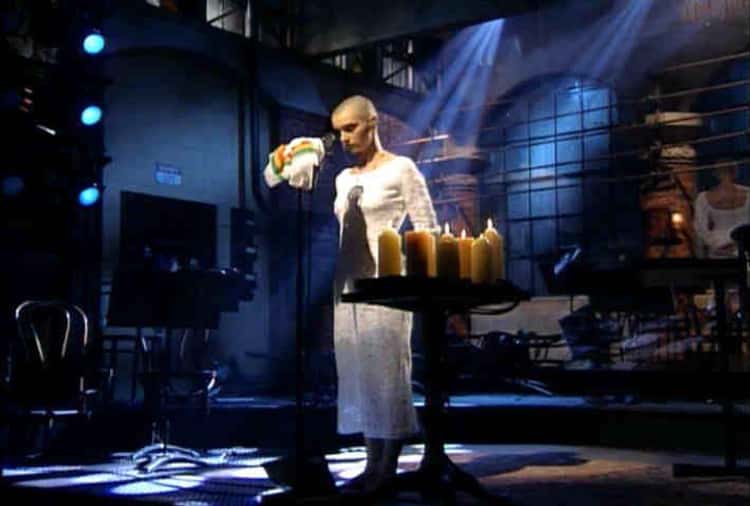
The reaction included complaints, public ridicule and hostility toward O'Connor. Much of the argument centered on the offense taken at the torn photograph rather than the abuse she was trying to bring into view.
That imbalance is part of the story. Reporting the backlash without the subject of the protest would repeat the same narrowing of attention. It would leave the act looking arbitrary when O'Connor had repeatedly explained its purpose.
A ban wasn't the end of her work
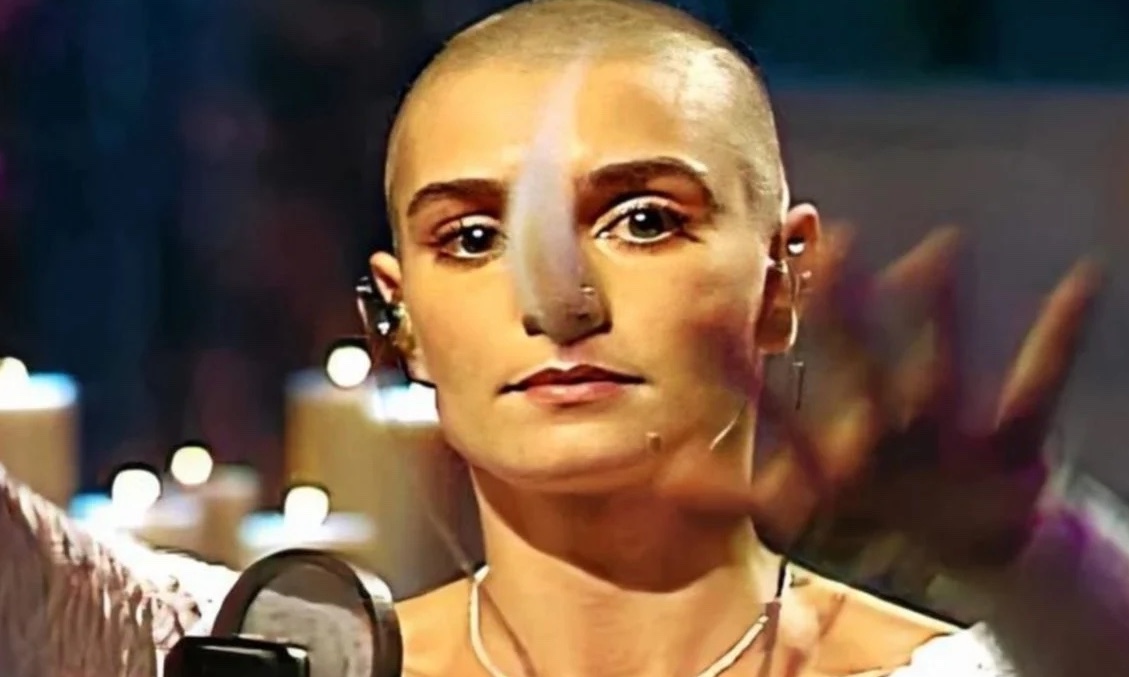
Accounts of the aftermath describe her being banned from returning to SNL. That is different from saying she was formally excluded from every part of Hollywood or never worked again.
She continued to make music and perform. Her career was affected by the reaction, but the broad phrase “blacklisted from Hollywood” can imply a single industry-wide action that an account of one television program doesn't establish.
Her own explanation belonged in the account
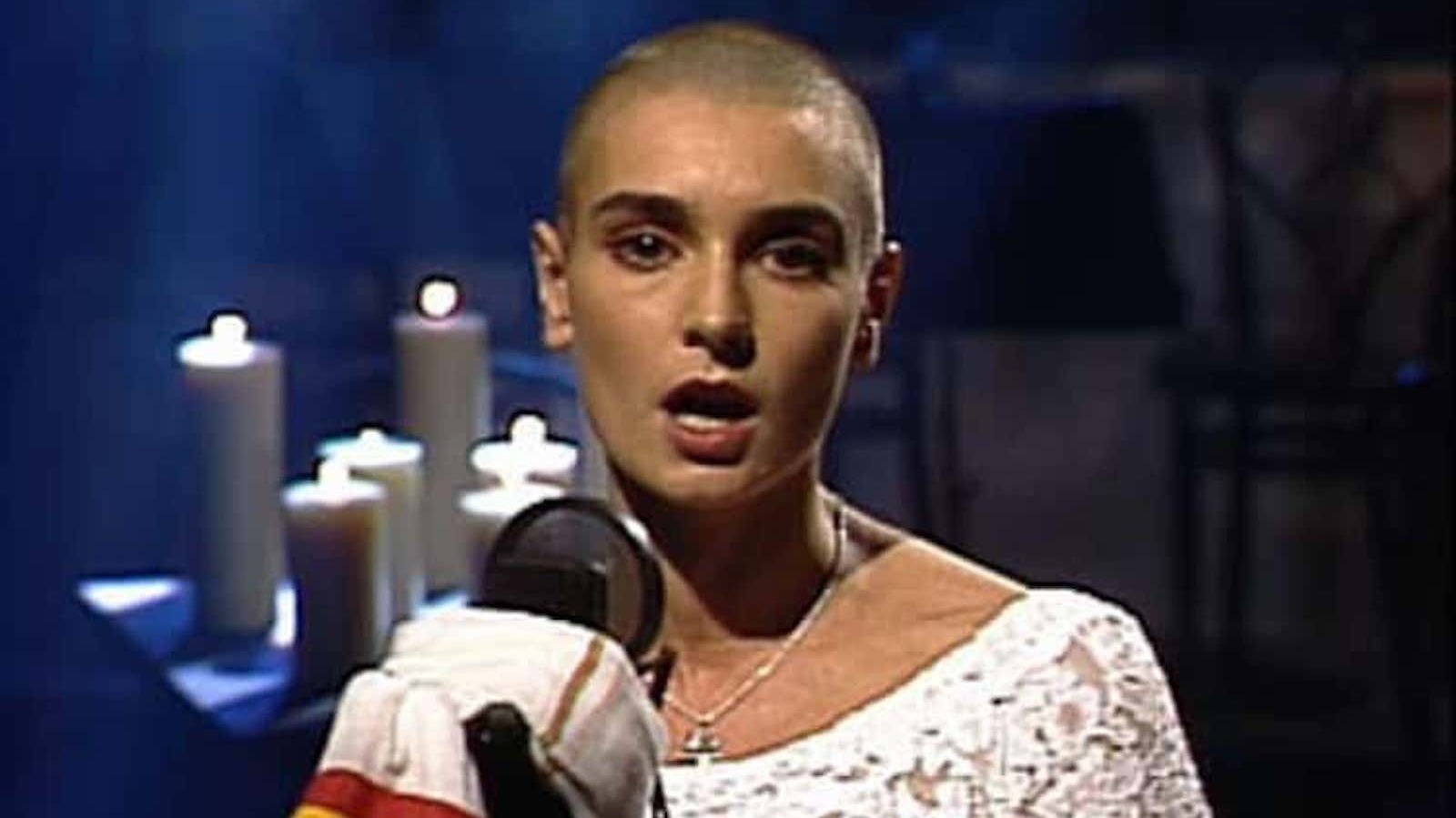
O'Connor returned to the subject in interviews and in her memoir. She connected the protest with abuse and with the church's influence in Ireland, rather than treating the event as a mistake that could be explained away by poor judgment.
Her account should be attributed to her. It also shouldn't be replaced by a later writer's imagined version of what she must have felt while standing in the studio.
Criticism from other celebrities added weight
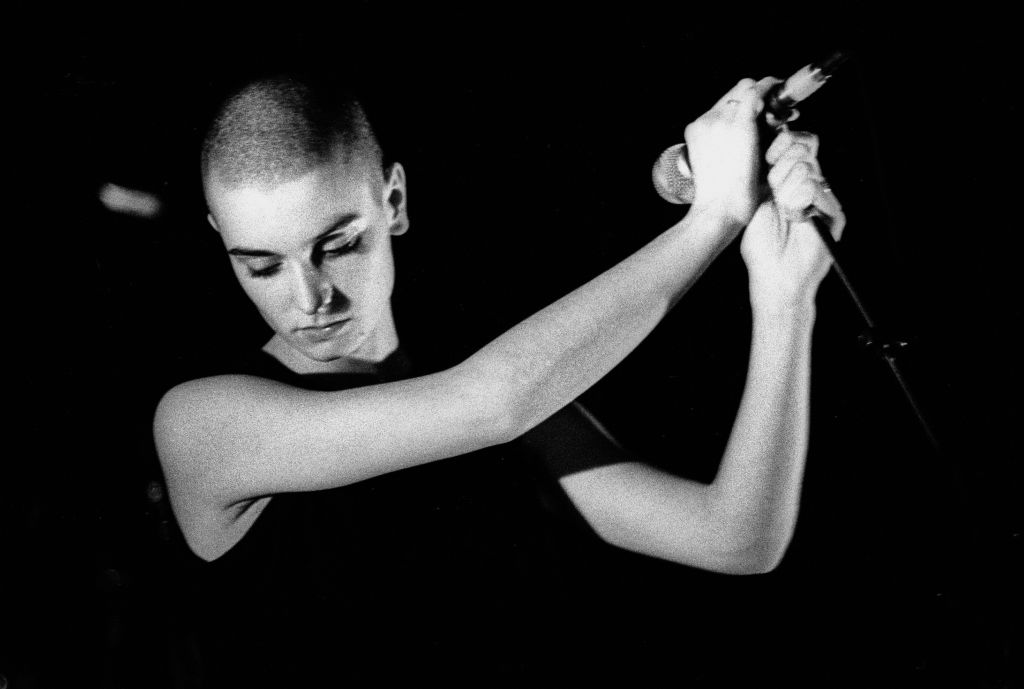
Public figures joined the criticism, and television comedy helped keep the photograph at the center of the controversy. The result was a debate about a performer who had broken an expected rule on live television.
That debate wasn't the same as a careful response to the allegation of abuse. A famous person's joke or insult could draw attention without addressing what O'Connor had asked people to confront.
Survivors had spoken before the wider reckoning
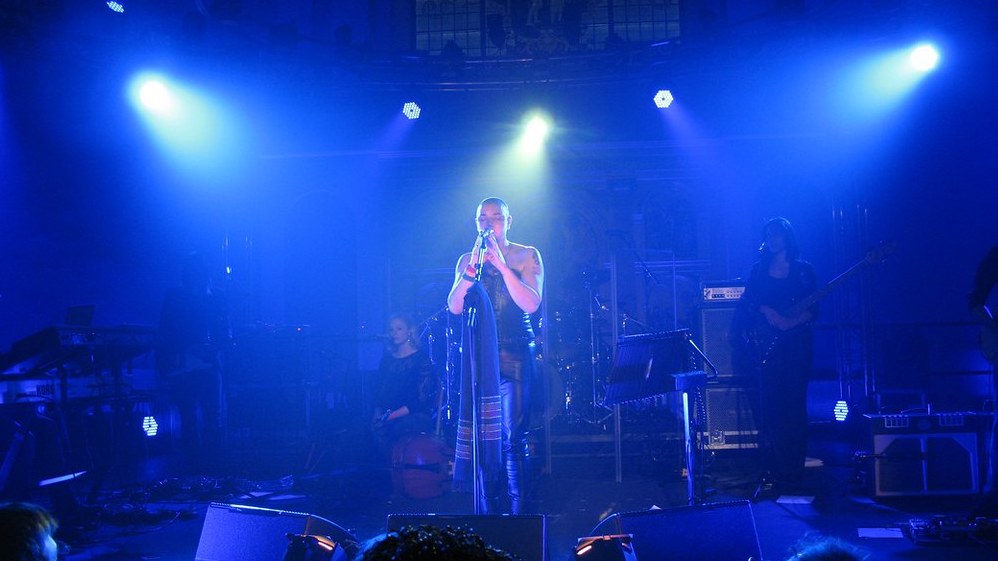
It would be wrong to say abuse became known only when a major American newspaper investigated it. Survivors, advocates and others had already raised allegations and described what happened to them.
The later growth in public attention shouldn't erase those earlier accounts. It is possible to recognize an investigation's impact without making recognition by a large institution the starting date of the harm or the knowledge of it.
The Spotlight reporting exposed institutional failures
The Boston Globe's reporting on clergy sexual abuse and concealment began appearing in 2002. It brought detailed evidence and sustained attention to how church authorities had handled allegations.
The newspaper received the 2003 Pulitzer Prize for Public Service for that work. The award marked the reporting's impact; it wasn't proof that nobody had warned about the subject before.
A later report didn’t resolve every question
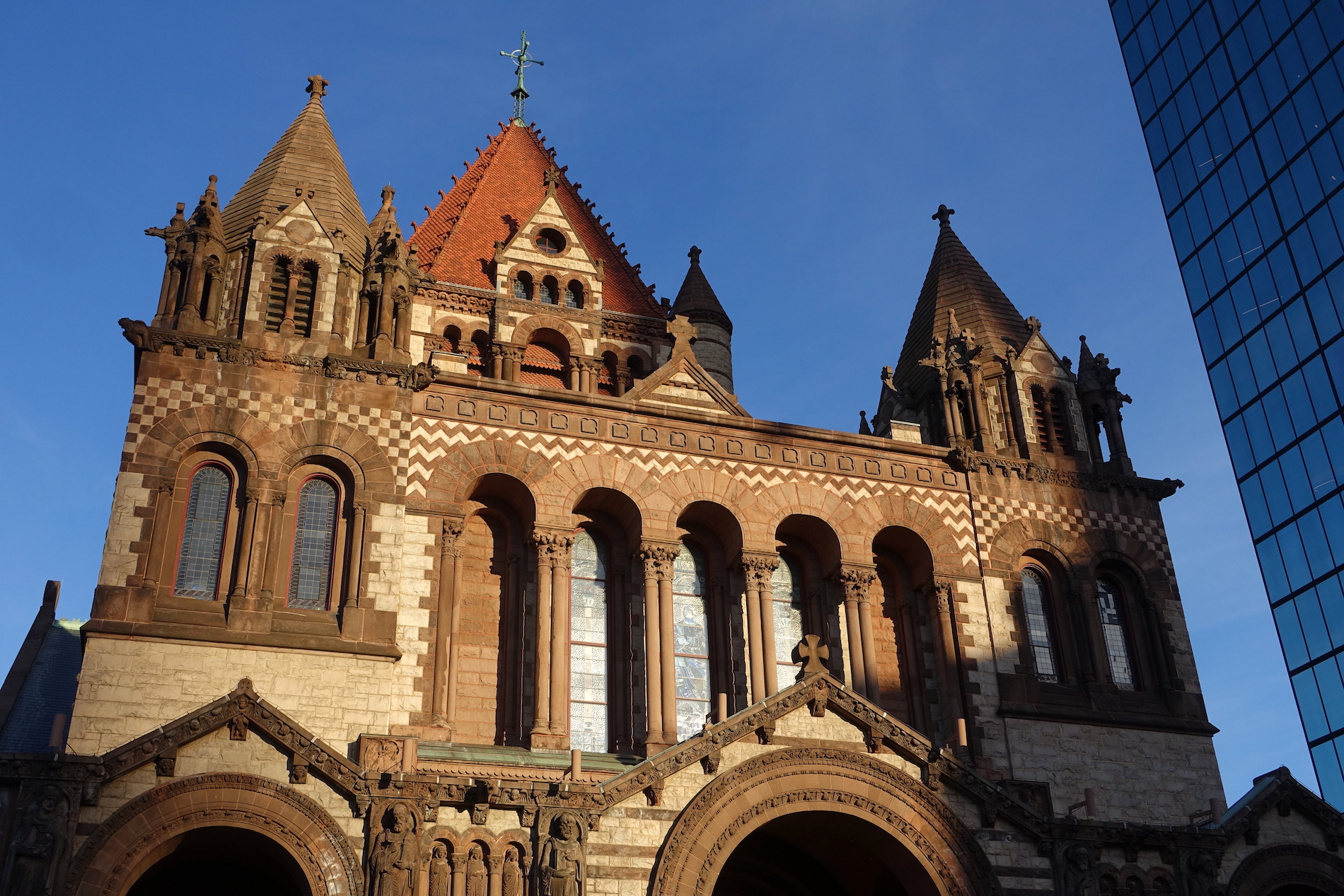
Theodore McCarrick’s rise through the church was the subject of a Vatican report in 2020. It examined allegations, the information passed to senior figures and decisions about his appointments.
The 2020 report is a record of that case. It does not cover every instance of clergy abuse around the world, and it should not be described that way. Other investigations concern other people, institutions and decisions. Read together, they offer a fuller history than any single report can supply.
Reconsidering a televised moment

Later attention to abuse changed how many people discussed O'Connor's protest. The photograph remained recognizable, but it could be placed beside the subject she had wanted people to see.
That doesn't undo the hostility she faced. It does allow an account to move beyond the old framing of a singer who simply shocked an audience, and describe the moral and institutional challenge inside the act.
Keep the artist larger than the controversy
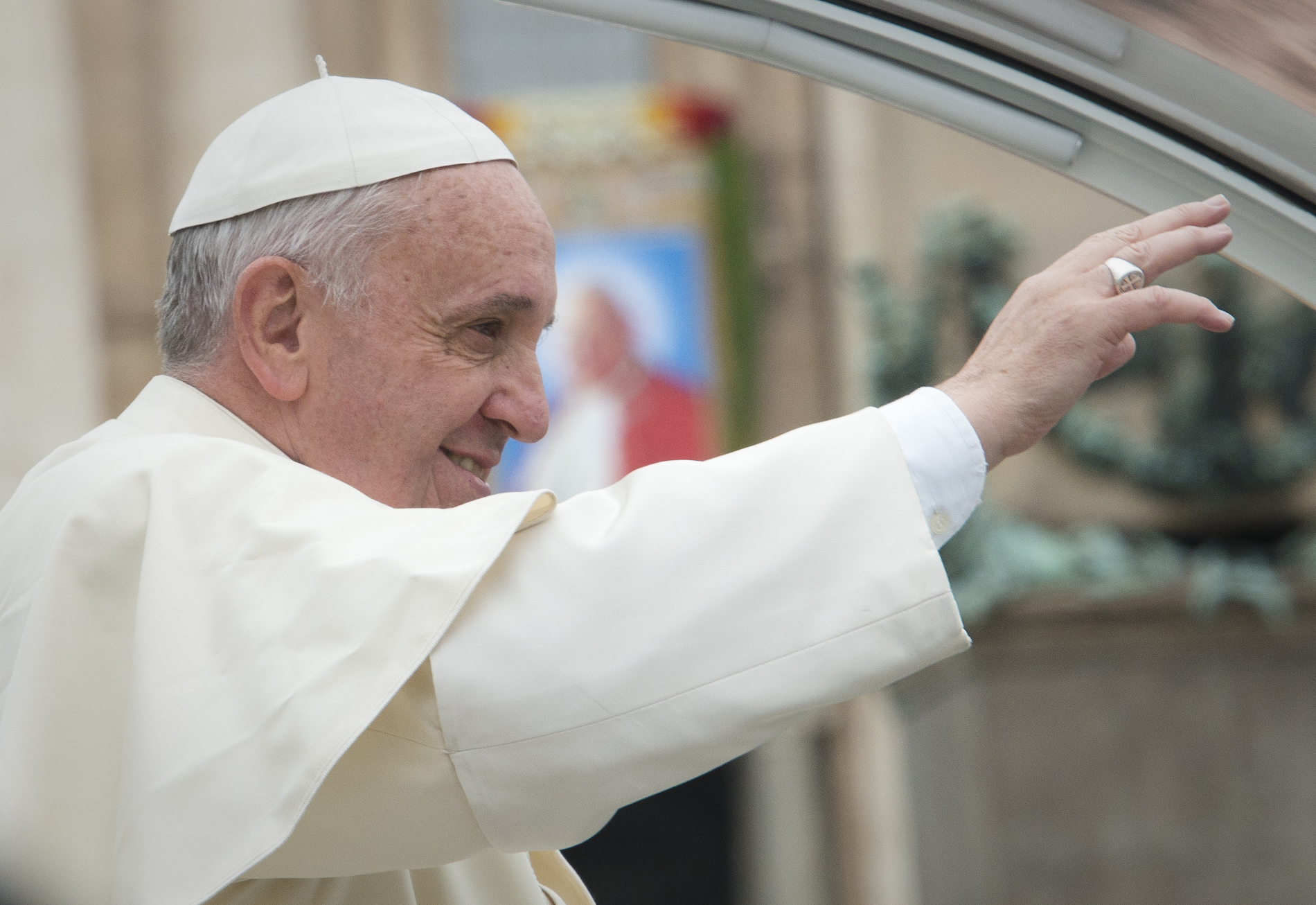

The torn photograph is easy to remember. It is harder to fit an entire career around a few seconds of television, and O’Connor’s music and public life should not be reduced to that moment.
An accurate account keeps her reason for protesting in view. It also describes the backlash without inventing a universal ban or assuming that everyone later changed their mind. Her voice and her work deserve attention alongside the event that drew so much of it.