ScreenGawk
Moon-Landing Hoax Claims Persist. Here's What the Apollo Record Shows.
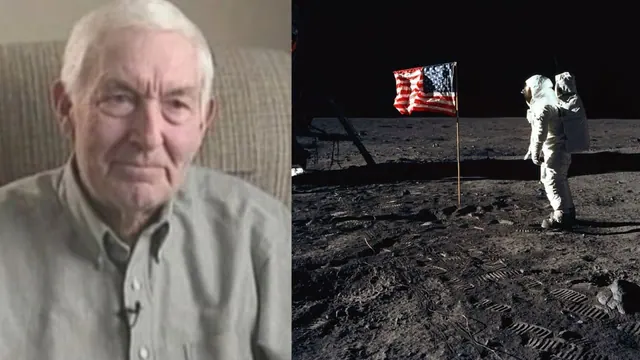
On July 20, 1969, Neil Armstrong and Buzz Aldrin reached the Moon's surface. Michael Collins stayed in orbit, flying the spacecraft that would take the three men home.
The claim that their landing was staged has outlived generations of television coverage. You can examine it against something more substantial than a clip: mission communications, photographs, returned samples and later images of the landing sites.
The Mission Had Three Crew Members
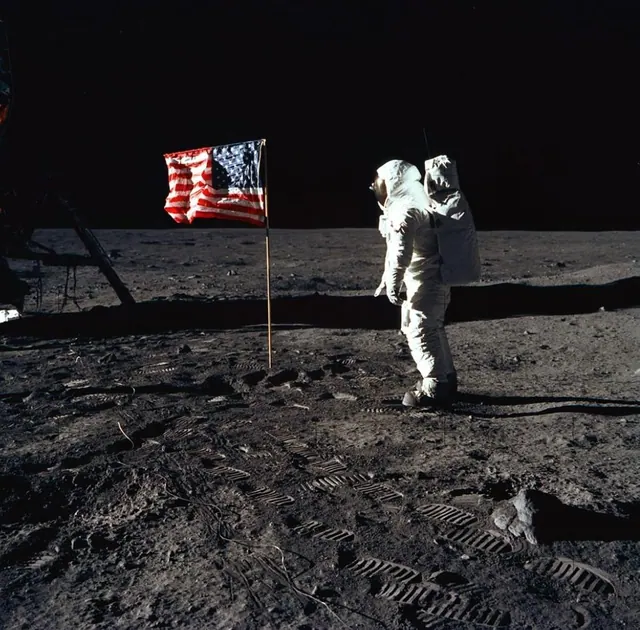
Apollo 11 launched on July 16, 1969. Armstrong and Aldrin descended in Eagle, which landed in the Sea of Tranquility on July 20. Collins piloted the command module, Columbia, in orbit.
The roles are easy to blur in a short account. Two members of that crew went onto the surface, but all three were part of the mission that took them there and brought them home.
The Hoax Claim Acquired a Book

Bill Kaysing became associated with the staged-landing claim through We Never Went to the Moon, published in 1976. Its argument became part of the recurring conspiracy narrative around Apollo.
A published counterclaim can help an idea spread without substantiating it. The claim still has to account for the missions' physical and documentary evidence.
There Were Six Surface Missions
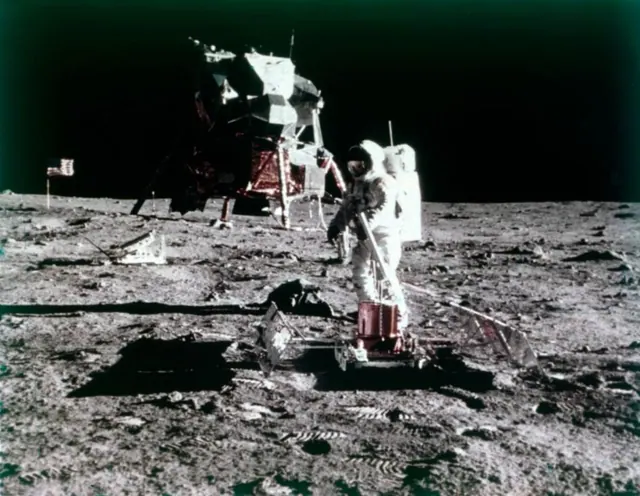
After Apollo 11 came Apollo 12, 14, 15, 16 and 17. Each brought astronauts onto the lunar surface, with six successful crewed landings between 1969 and 1972.
Twelve people walked on the Moon across those missions. So a claim that the entire landing program was staged has six sets of surface activity to explain. The locations and scientific work differed. One familiar broadcast can't stand in for everything the missions recorded.
The Samples Are Physical Material

NASA's Apollo lunar collection records 382 kilograms of rocks, soil and other samples brought back by those six surface missions. The material is cataloged by mission and sample, rather than existing only as an image on a screen.
That is the relevant Apollo collection. It should not be confused with samples returned by separate robotic programs, or with lunar meteorites found on Earth. Nor should the total be described as material all collected during Apollo 11.
The Landing Sites Were Photographed Later

A later spacecraft supplied another view of Apollo 11's landing site. The Lunar Reconnaissance Orbiter Camera acquired a high-resolution image there on November 5, 2011, according to NASA.
This time the camera was looking down from orbit. The site and signs of activity can be compared with the earlier surface record. It isn't a close-up of each bootprint, and the astronauts aren't still there. Read it as an orbital view with the level of detail that permits.
The Record Isn't One Famous Frame

NASA's Apollo Lunar Surface Journal brings together transcripts, photographs, maps, audio, film and commentary. A striking photograph introduces only part of that material.
A question about one image can be checked against its source, sequence and surrounding record. An isolated crop may have lost the very information needed to understand an apparently unusual detail.
A Popular Claim Isn't a Measurement

In April 2019, YouGov reported that 16% of Britons in its survey thought the Moon landing was probably or definitely staged. That was a dated measure of reported belief, not a study establishing that a landing was faked.
It also isn't a current percentage that can be carried forward indefinitely. Poll results can help describe the reach of an idea. They cannot replace physical evidence or determine a historical event by majority vote.
Commentary Needs Its Own Date

A presenter's prominence doesn't establish the truth of a claim. An old photograph also doesn't tell us what that person believes today.
In a gallery containing archive public-figure images, a statement needs its actual speaker and occasion attached before it is used as a current position. The standard applies to commentary endorsing or rejecting a hoax claim.
The Moon Is a Physical World

Samples, surface observations and orbital records describe a rocky body with a geological history. The claim that the Moon is merely light cannot account for that material.
An explanation has to fit the available evidence, rather than ignore samples and measurements in favor of a dramatic television statement.
Apollo 1 Has a Documented Accident Record
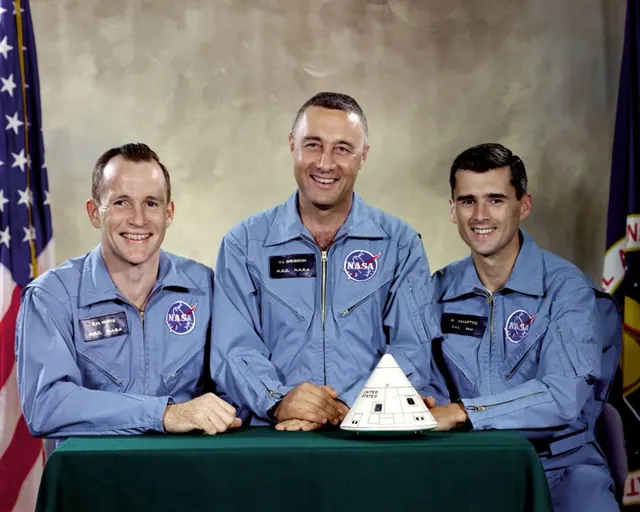
A fire killed Gus Grissom, Ed White and Roger Chaffee during an Apollo 1 ground test on January 27, 1967. They had not launched.
NASA's accident history documents the cabin's oxygen-rich environment, flammable materials and wiring concerns. It also describes the spacecraft changes that followed. There is a record to check when asking what happened. Turning the deaths into a murder allegation or evidence against the Moon landings requires support that the allegation itself doesn't provide.
Start With a Checkable Claim

Which mission, photograph, sample or document is being challenged, and what supports the challenge? Those questions are a useful starting point for examining a hoax assertion.
Apollo's extensive record makes that work possible. The mission material is where a claim about the landings has to stand up, whatever a clip's popularity or a commentator's confidence.