ScreenGawk
Empress Elisabeth: Her Children, Life and the Sisi Legend
Empress Elisabeth of Austria was born in Munich on December 24, 1837. Known to her family as Sisi, she became an empress at sixteen and later Queen of Hungary. Her portraits suggest a polished royal life. Her family history tells a less comfortable story, with early motherhood, long absences from court and the loss of two children.
A childhood in Bavaria
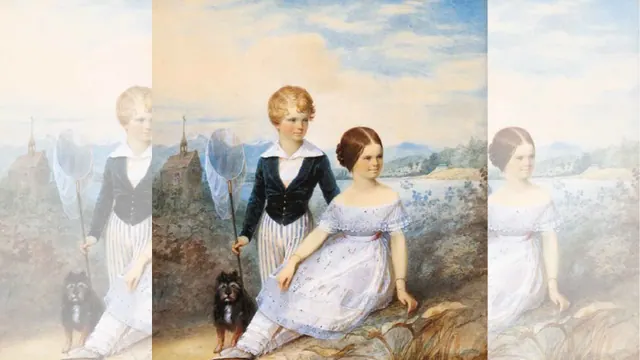
Elisabeth was the daughter of Duke Maximilian in Bavaria and Duchess Ludovika. The family spent time in Munich and at Possenhofen on Lake Starnberg. The Sisi Museum describes a childhood with far more freedom outdoors than she would find at the Viennese court. Her mother accompanied her to Bad Ischl in 1853; Elisabeth wasn't an orphan raised by her future mother-in-law, Archduchess Sophie.
The face in the portraits
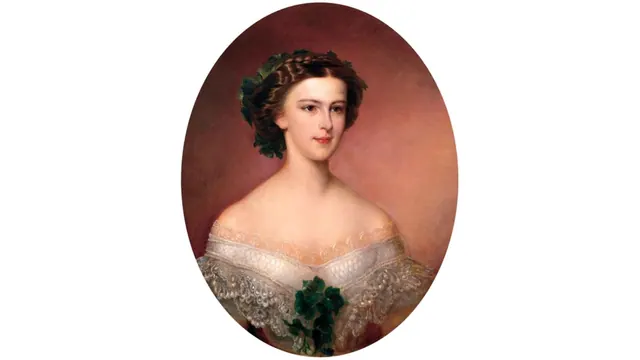
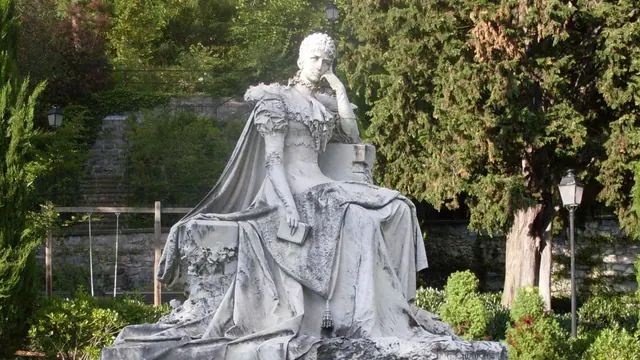
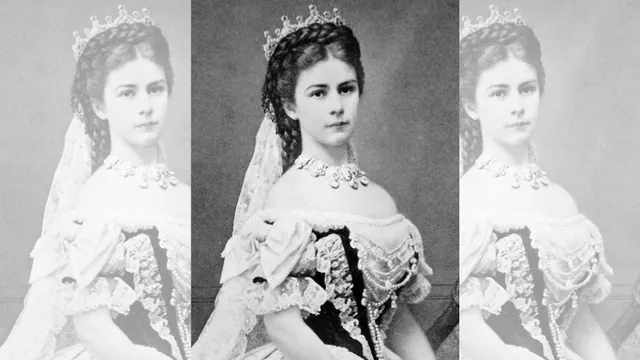
Paintings and photographs helped preserve Elisabeth's image, but they show selected moments and carefully arranged appearances. A formal portrait can't tell you how she felt about her marriage or children. The archive pictures here include painted likenesses, later reproductions and a memorial. Read them as different kinds of objects, rather than as a continuous photographic record of her life.
A wedding at sixteen
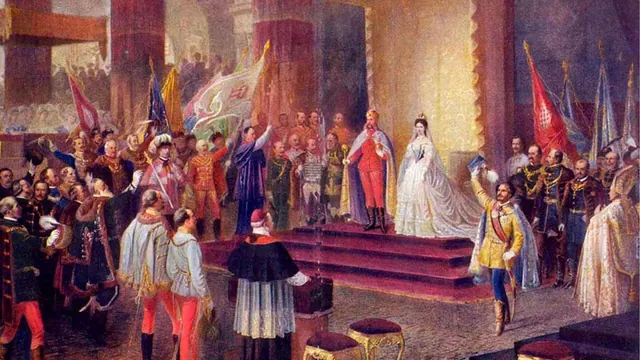
Franz Joseph and Elisabeth married in Vienna on April 24, 1854. Her arrival brought court ceremonies and expectations for which a relatively free Bavarian upbringing had offered little preparation. Schönbrunn's account describes the first years of marriage as traumatic for the young empress. The gowns and palace rooms are part of that story, alongside the pressure to produce an heir.
Four children, and an early loss
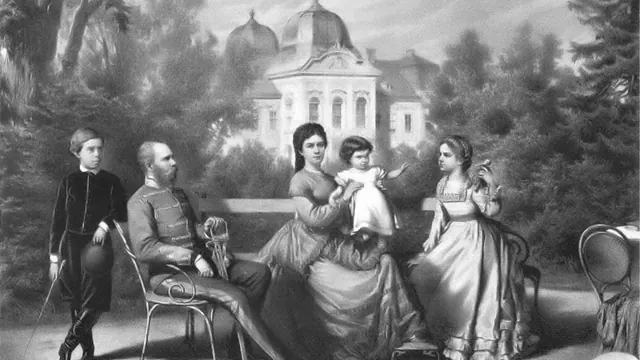
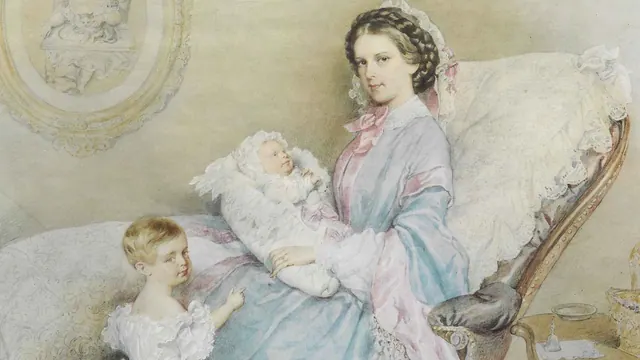
Elisabeth and Franz Joseph had four children: Sophie in 1855, Gisela in 1856, Rudolf in 1858 and Marie Valerie in 1868. Sophie died in 1857, before her second birthday. Schönbrunn's family history places these births and that loss within a difficult period of Elisabeth's life. It gives you something more concrete than the familiar description of a beautiful but unhappy empress.
A marriage with room for distance
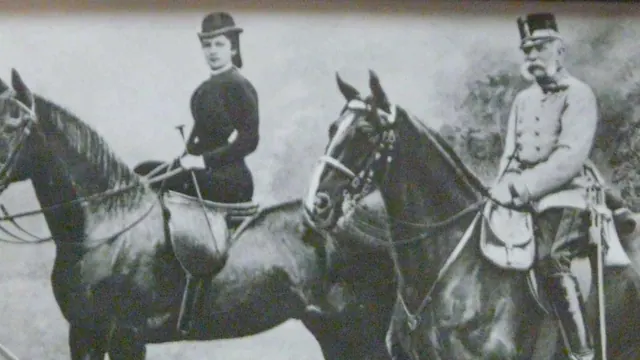
The imperial couple's relationship changed over decades. Elisabeth sought more control over her own life, while Franz Joseph remained attached to court duty. The World of the Habsburgs describes a relationship that retained trust and respect despite their differences. In 1865, she challenged the harsh military-style education imposed on Rudolf and demanded a say in his upbringing.
Becoming Queen of Hungary
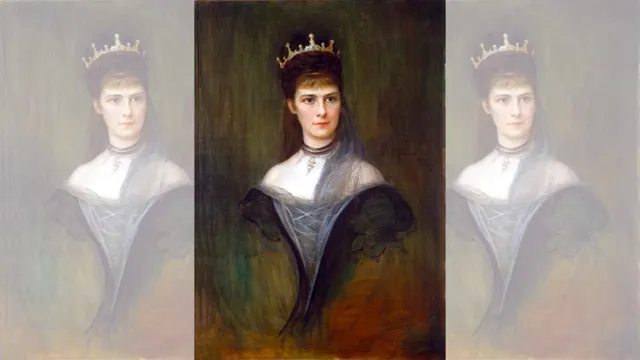
Elisabeth supported Hungarian interests during the negotiations that led to the Dual Monarchy. Franz Joseph and Elisabeth were crowned King and Queen of Hungary on June 8, 1867. Her attachment to Hungary was an important part of her public identity. That influence should be understood within a political settlement involving governments and negotiators, rather than reduced to a story in which one royal alone changed an empire.
Her death in Geneva
On September 10, 1898, Elisabeth was assassinated in Geneva by Luigi Lucheni. The World of the Habsburgs records that he attacked her with a sharpened file as she walked toward a boat with her lady-in-waiting. Elisabeth was sixty. The attack ended a life already marked by bereavement, including the death of her son Rudolf in 1889. It also helped turn her into a posthumous legend.
Where Elisabeth is buried
Elisabeth is buried in Vienna's Imperial Crypt, beneath the Capuchin church, alongside Franz Joseph and Rudolf. She wasn't subsequently taken to Hungary to rest with them. The crypt's own history explains a different move: Elisabeth's and Rudolf's coffins were transferred from its Ferdinand vault to the later Franz Joseph vault. Moving between rooms in a Viennese crypt isn't the same as burial in another country.
The image that outlived her
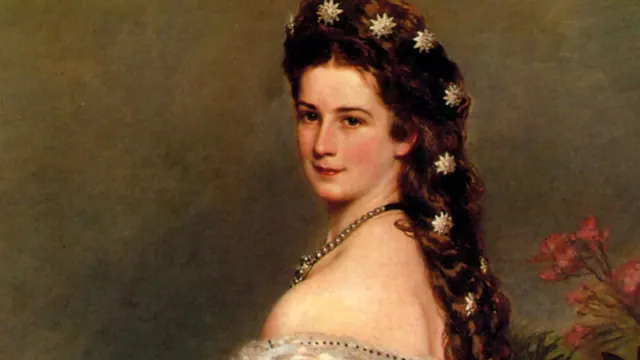
Franz Xaver Winterhalter's 1865 portrait, with diamond stars in Elisabeth's hair, remains one of her best-known likenesses. Her clothes, hair and carefully maintained appearance became part of the Sisi image. The star ornaments give you one concrete detail to recognize when you see her image reproduced. A portrait in a formal gown is also a work of court presentation, rather than an unfiltered account of everyday life.
Time away from the court
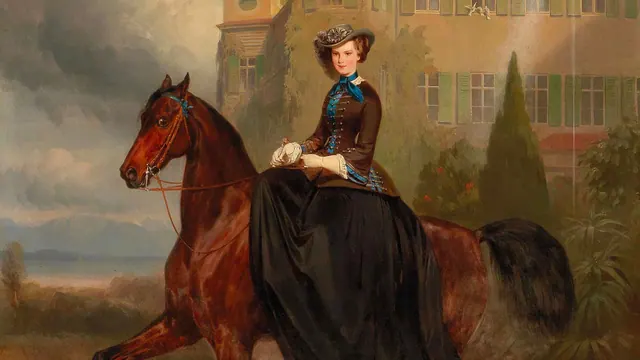
Riding, travel and writing gave Elisabeth interests beyond ceremonies and official appearances. The Sisi Museum describes her language study and the time she devoted to riding and exercise. During the lengthy care of her hair, she studied languages with a tutor. Her personal routines and her official position existed together, sometimes awkwardly. The exercises and long journeys also meant that she often spent time away from Vienna.
How Sisi became a screen legend
Elisabeth's reputation continued to change after her death. The World of the Habsburgs points to the 1950s Sissi films starring Romy Schneider as a powerful influence on her popular image. Their romantic young empress became familiar far beyond Austria. If you know her through those films, the dates, children and surviving records offer a way to separate that screen character from the historical woman.